1 in every 3 bites of food you eat depends on these ‘invisible’ workers
Most people hear “pollinator” and picture a bee. That image isn’t wrong, but it is incomplete. The pollinator gap is the growing mismatch between plants that need pollination and the shrinking mix of animals able to do it.
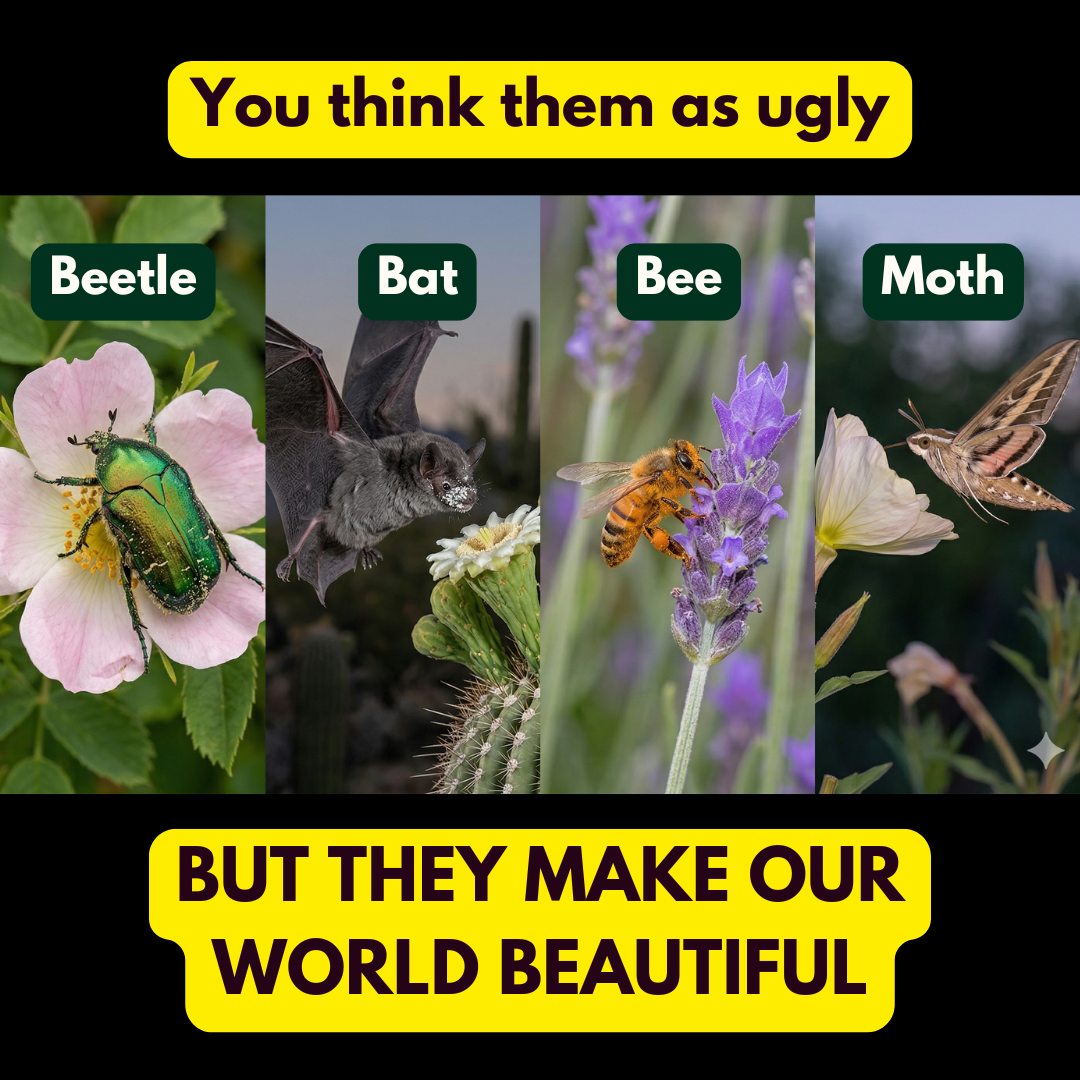
That gap matters more than many people realise. Moths, bats and beetles help keep food webs, wildflowers and farm systems alive, yet they rarely get the same attention.
If we protect only the stars of the story, we miss the workers keeping the stage standing.
Why pollination matters far beyond honey and hives
Pollination is simple at heart. Pollen moves from one flower to another, then plants can make fruit, seeds and new life. Without that exchange, orchards thin out, wild plants struggle and whole chains of feeding begin to fray.
This isn’t only about apples, pumpkins or coffee. Many plants that feed birds, insects and mammals also need animal pollinators. So when pollination drops, the damage spreads outward, like a missing stitch in cloth that slowly starts to pull apart.
Public campaigns often focus on bees because bees are familiar, useful and easy to rally around. Yet nature doesn’t run on a single mascot. It runs on variety, timing and overlap.
What the pollinator gap actually means in practice
In plain terms, the pollinator gap appears when there are fewer pollinators, less movement between flowers, or the wrong pollinators in the wrong places. Plants still bloom, but fewer partners turn up for the work.
Habitat loss causes a big part of the problem. So do pesticides, harsher heat, shifting rain, roads that split habitats and bright night lighting.
As a result, some species decline in number, while others lose the hours or places where they can feed.
Different pollinators work different shifts. Some fly at dusk, some by day, some in forests, some in dry scrub, some in cities. If that variety disappears, bees can’t simply cover every missing role.
When pollinator variety shrinks, nature loses its backup system.
The hidden pollinators doing the work no one claps for
Many pollinators stay out of sight, or outside public affection. Some are active at night. Some look plain. Some, like bats and beetles, carry old fears or bad press. Yet ecosystems are not popularity contests.
The truth is simpler. Flowers don’t care which animal gets the job done. They care that someone turns up.
Moths pollinate night-blooming plants and may rival bees in some places
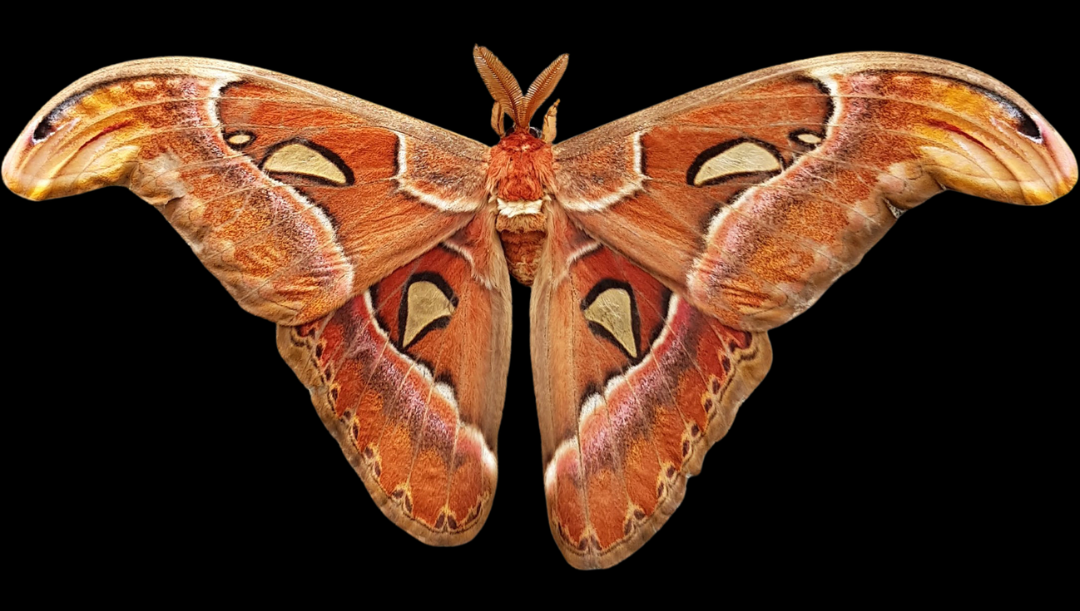
Moths are often treated like faded butterflies. That’s unfair, and ecologically sloppy. Many moths visit flowers at night, when bees are off duty. Because they can travel long distances, they may move pollen across wider areas than people expect.
Night-blooming plants depend on this shift change. Some crops and many wild plants gain from moth visits too, even if science still undercounts their role. That blind spot matters, because what we don’t measure, we often fail to protect.
- Street lighting hits moths hard.
- Bright lamps pull them off course, drain energy and disrupt feeding.
- Add pesticides and the loss of hedges, meadows and rough edges, and moths face a stacked deck.
Bats keep many plants and food crops going, especially in warmer region
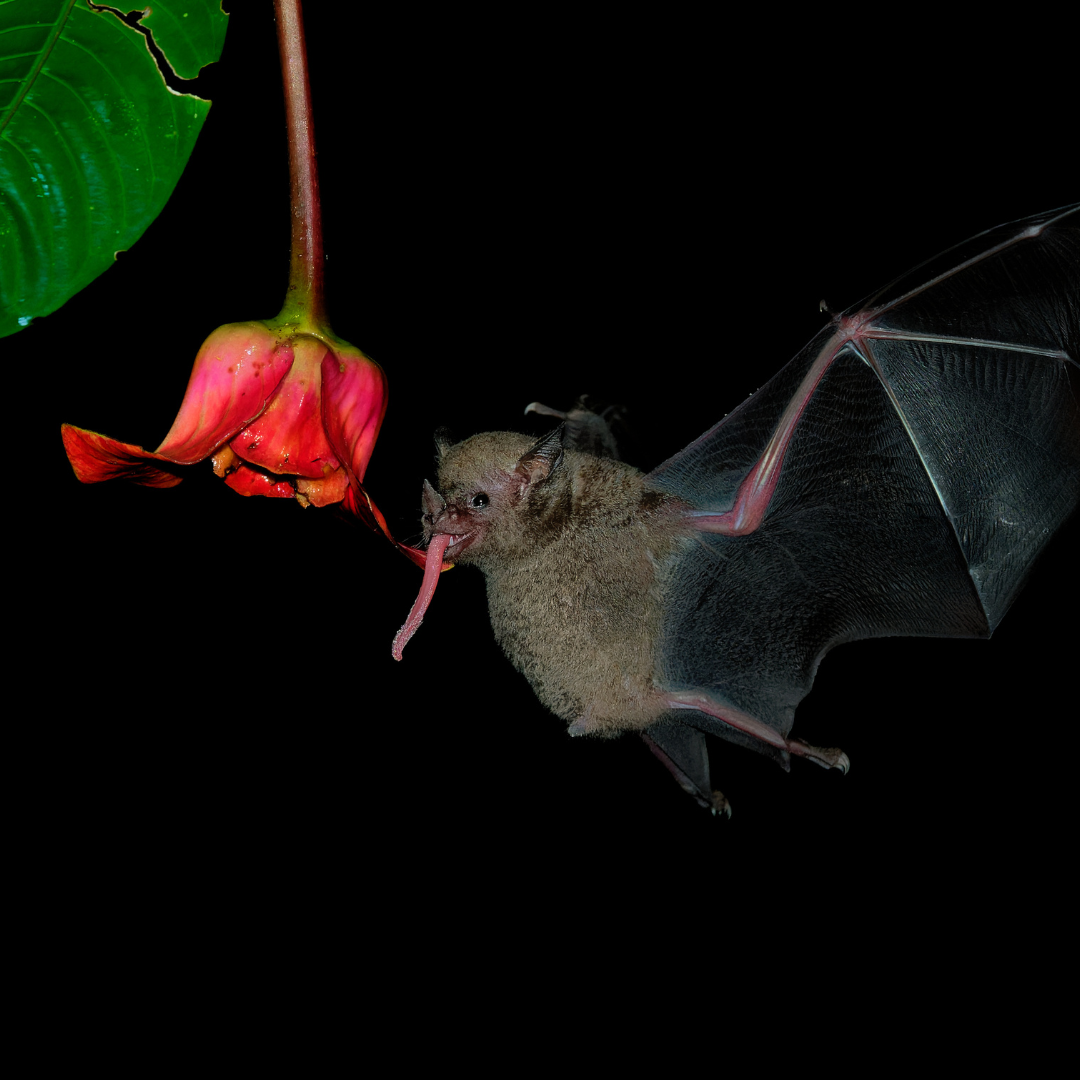
Bats suffer from a public image problem. Too many people see fear first and function second. Yet nectar-feeding bats pollinate a wide range of plants, especially in tropical and dry regions.
Their work supports species linked to foods and livelihoods, including agave, bananas and mangoes in some regions.
Across Asia as well, bats help move pollen and seeds through landscapes that people often keep fragmenting. They are not side characters. In many places, they are night-shift staff keeping the system open.
Because bats range far, they can connect broken habitats in ways smaller pollinators cannot.
However, roost loss, hunting, disturbance and land clearing weaken that role. When bats disappear, some plants lose one of their few reliable partners.
Beetles are ancient pollinators that still matter now
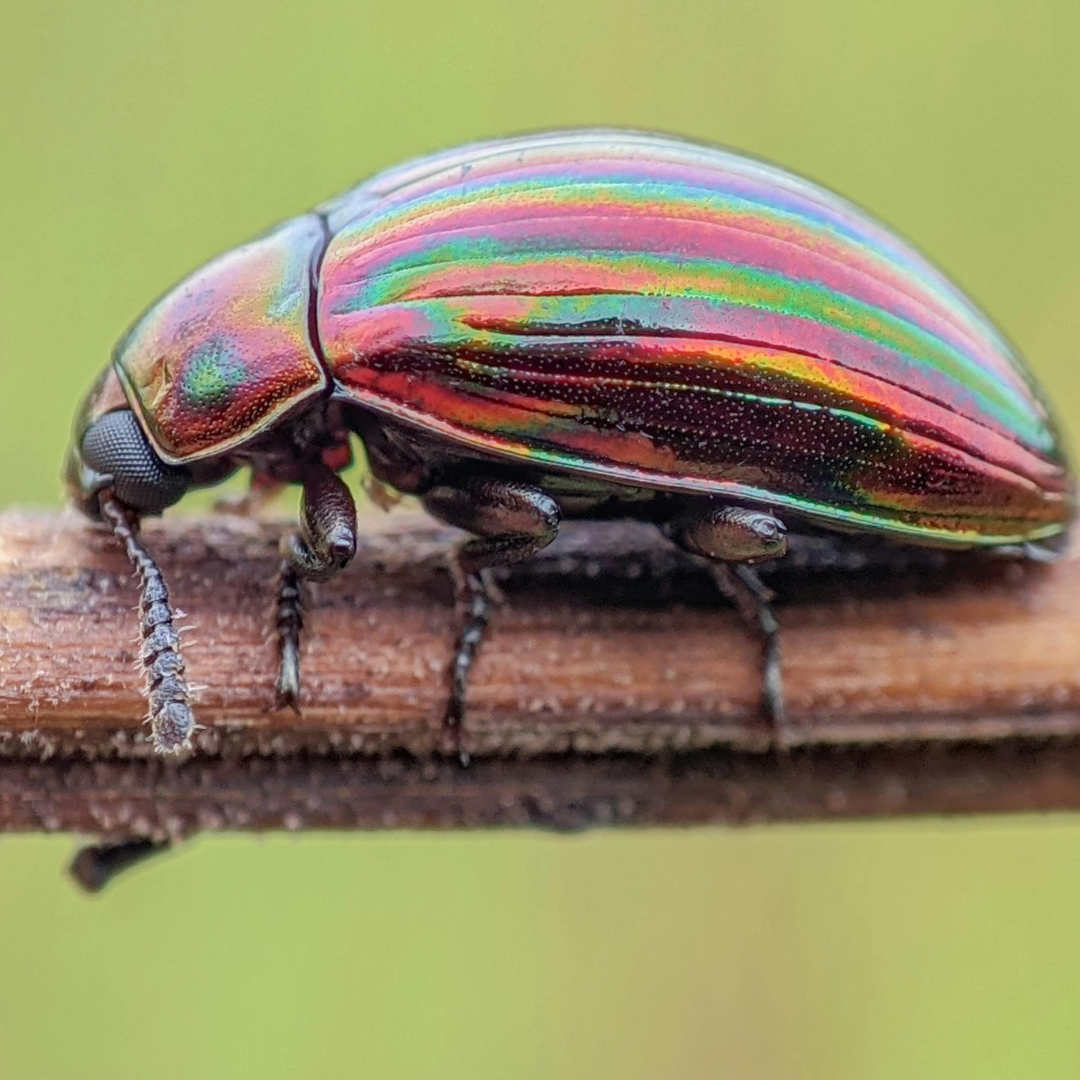
Beetles were pollinating flowers long before humans built cities or brands around honey jars. They still visit many flowers today, especially bowl-shaped blooms and plants with strong scents.
No, beetles are not always as neat or as efficient as bees. Some chew petals. Some carry pollen less precisely. Still, ecosystems don’t need one perfect worker. They need a team with different strengths.
That’s why beetles matter. They add stability, spread risk and serve plants that other pollinators may skip.
Yet gardeners, planners and even policy debates often leave them out, as if the oldest workers in the room have somehow become invisible.
How to protect pollinators by thinking beyond bees
If the problem is diversity loss, the answer cannot be single-species thinking. We need places where many pollinators can feed, breed, hide and move.
That means treating pollination as public infrastructure, not a cute side issue.
Make gardens, farms and cities friendlier to many kinds of pollinators
Start with plants. Native flowers with different bloom times give food across seasons, not only in one short burst. In gardens, farms and roadside strips, that steady supply matters.
Next, cut pesticide use wherever possible.
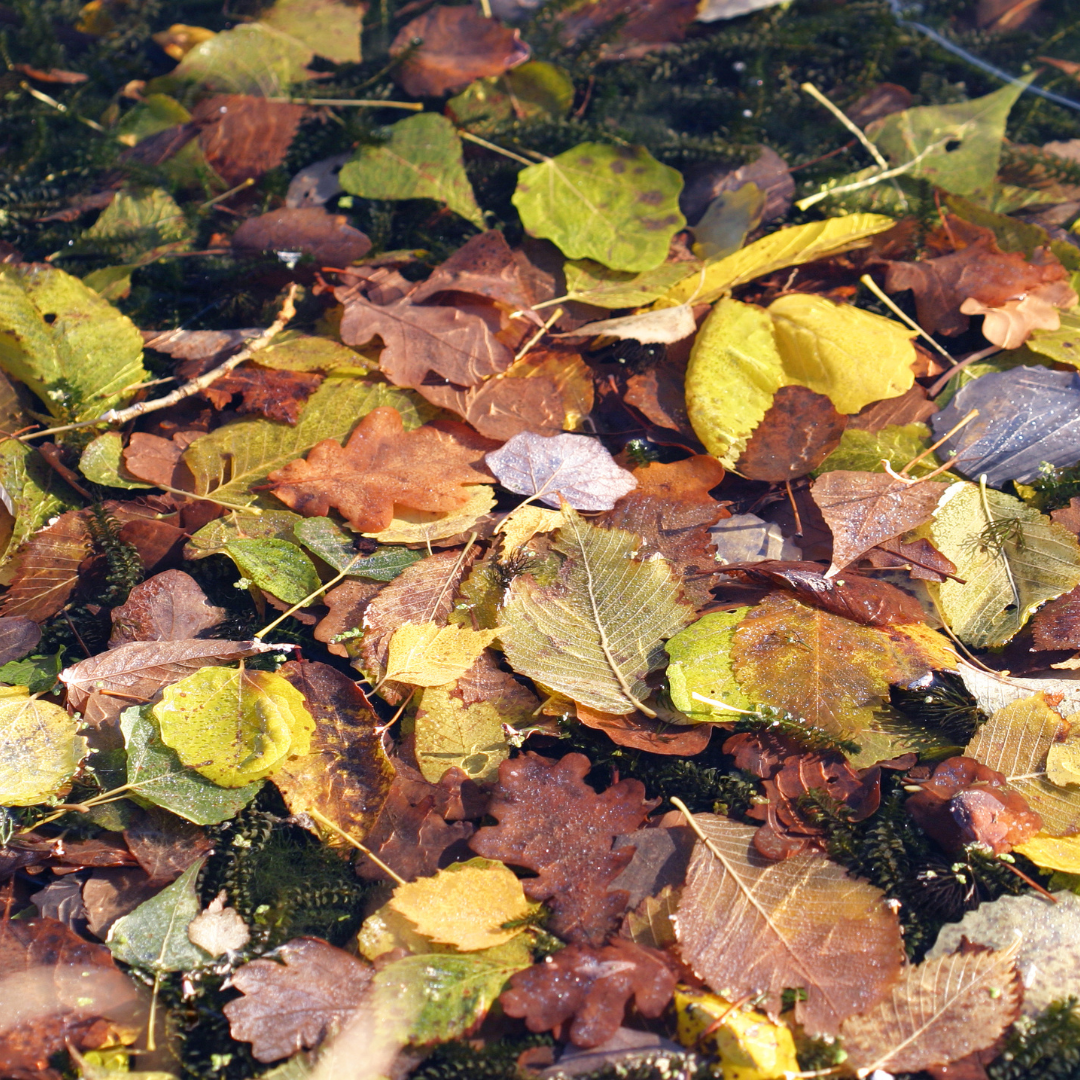
Leave some leaf litter, old stems and dead wood, because neatness often strips away shelter.
Protect hedges and scrub, since these messy edges often hold more life than manicured lawns.
Cities can help too. Reduce harsh night lighting, especially near green spaces, because moths pay the price for our glare.
At the same time, protect feeding routes and roosting spaces for bats, from old trees to safe roof spaces.
Why better science and better public stories both matter
Bees dominate research, headlines and school posters. That focus has value, but it also creates blind spots. If moths, bats and beetles are undercounted, they are easier to ignore in policy and funding.
We need broader monitoring, stronger habitat rules and public stories that widen the frame.
A child who learns that a moth or bat can help feed the world may grow into a voter who backs smarter land use.
That shift matters for climate stability and food security, because mixed ecosystems cope better than thin ones.
The pollinator gap isn’t only a science issue. It’s also a storytelling issue. When we tell a smaller story than nature lives, we protect less than we should.
Bees still matter, deeply. But they are only one part of the choir. A healthy ecosystem depends on many species working together, often unseen, often at night, often without praise.
So widen the picture. Plant for more than bees, vote for habitats that last, and stop treating overlooked pollinators as background noise.
Nature survives through teamwork, not celebrity.

Saket Sambhav is the founder of WriteToWin, India’s premier environmental writing competition for school students. A legal professional and DBA candidate in sustainability, he launched WriteToWin to shift generational mindsets – empowering students to make conscious choices and protect the planet. He also mentors young eco-entrepreneurs, nurturing the next wave of climate leaders.