Good citizens are not the villain. Coal plants and luxury emissions are. Let’s talk scale and solutions.
Picture a family on a Sunday walk, picking up crisp packets and plastic cups, carrying their rubbish home because the bin is overflowing. That choice matters. It keeps drains clear, stops cows and dogs from eating plastic, and makes the street feel like it belongs to people again.
But here’s the hard truth: no amount of “not littering” by one family can offset the climate impact of a single coal-fired power plant running day after day, or a private jet fleet hopping between cities like traffic lights don’t apply to the sky.
This isn’t a takedown of personal responsibility. It’s a reality check about scale. Let’s put numbers to it, then land on a practical way to act without letting big polluters hide behind your recycling bin.
The maths is brutal: one coal plant can outweigh whole cities of good behaviour
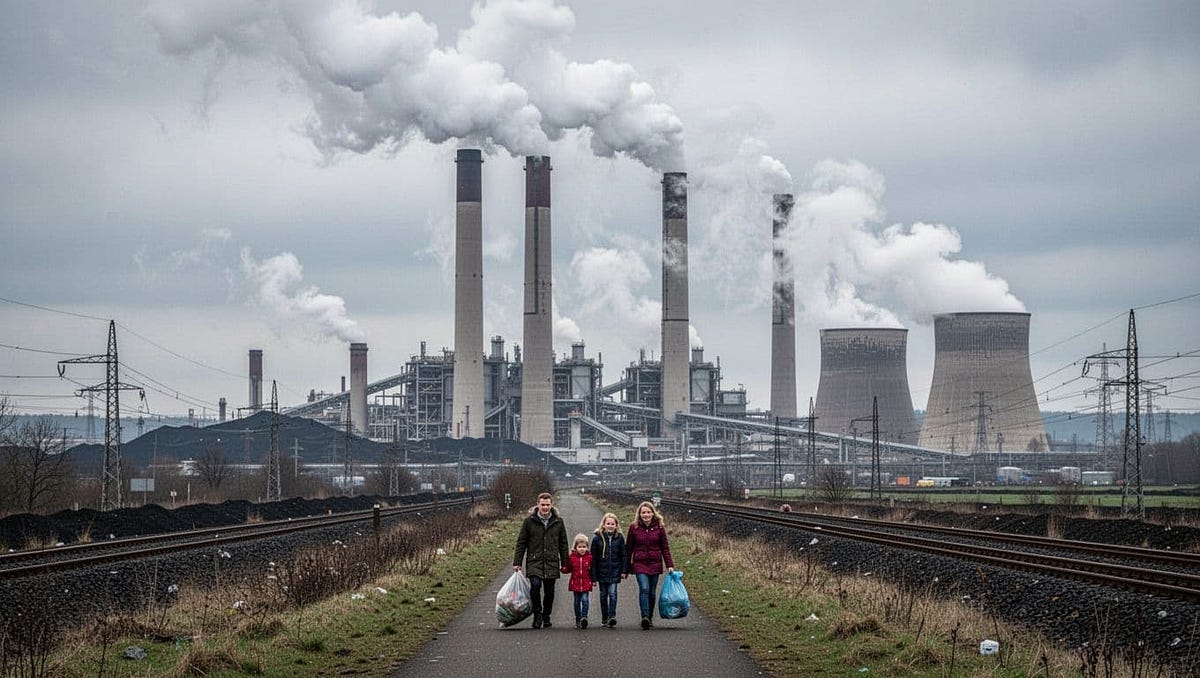
A coal plant is a machine designed to burn carbon, fast, for years. It turns trainloads of coal into electricity, and a steady stream of carbon dioxide into the atmosphere. That’s why personal “offsetting” stories break down once you zoom out.
Coal emissions vary a lot by plant size, fuel quality, and how often it runs. Still, a single large facility can release millions of tonnes of CO₂ each year. To make that scale understandable, tools like the EPA greenhouse gas equivalencies calculator translate tonnes of CO₂ into everyday comparisons (households, cars, fuel use).
The exact number changes by country and method, but the moral stays steady: a coal plant’s annual emissions sit in a different universe to what any one household can “make up for”.
A useful way to think about it is this: personal habits are like using a bucket to stop a leak in your home. Coal is the broken main pipe under the road. Both matter, but one is built to flood everything.
For context on why electricity is such a big deal, see the EPA’s overview of power sector emissions. Even in places cleaning up their grids, electricity generation is still a core battlefield for climate action.
A simple comparison: “not littering” is not the same problem as carbon pollution
/media/d6d1b5099b5ac3dba805f08533d2c578
Litter is visible, local, and immediate. It kills animals, clogs drains, and turns rivers into conveyor belts of waste. When your family doesn’t litter, you prevent harm right there, right now.
Carbon pollution is different. You can’t see CO₂ leaving a tailpipe or a chimney. It spreads across the whole planet, mixes in the air, and heats everything slowly, like turning up a giant thermostat one notch at a time.
So “not littering” is a real win for health and nature, but it doesn’t remove the carbon already pumped out by heavy industry. It also doesn’t stop tomorrow’s emissions from a plant that runs while you sleep.
Why individual carbon cuts hit a ceiling
A person can only cut so much. You can take fewer flights, switch off lights, eat less meat, buy less stuff. Then you hit a wall: the grid still powers your phone, cement still holds up your city, and supply chains still move your food.
That’s what people mean by “systems”. Energy, transport, industry, farming, these are the pipes. Personal action is still worthwhile, but it’s not a substitute for fixing the pipes.
Private jet fleets show how inequality drives emissions

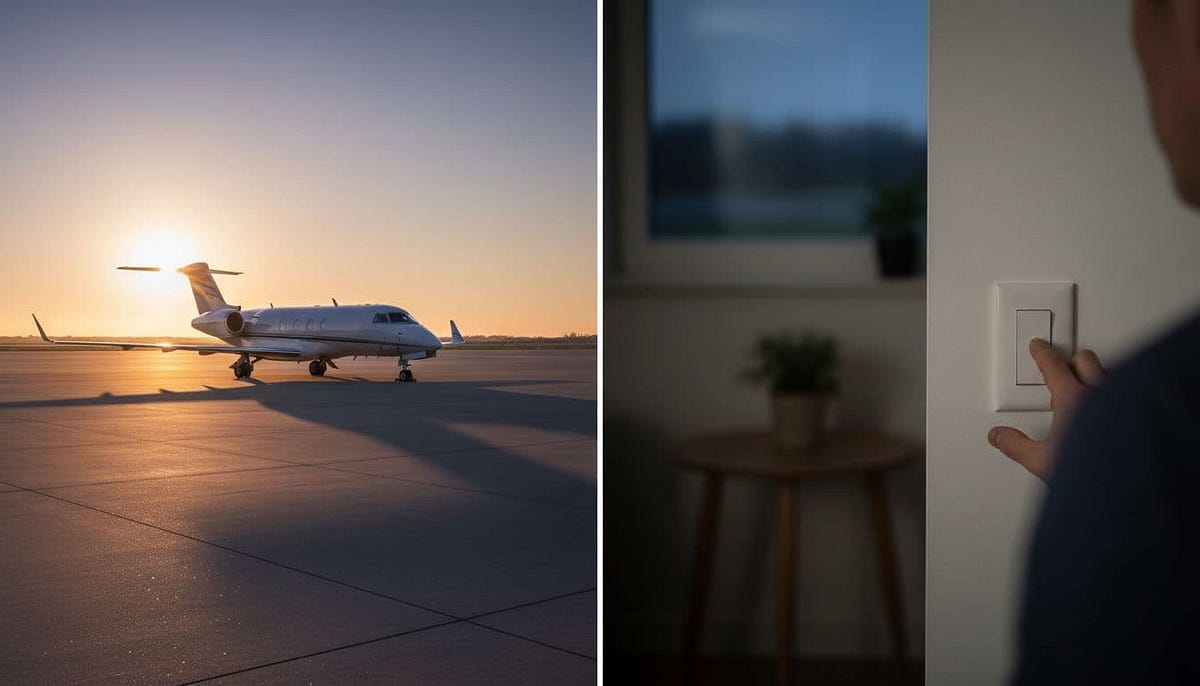
Coal is the “big machine” story. Private jets are the “fairness” story, and they sting because the contrast is so sharp.
According to the International Council on Clean Transportation, private jets produced about 19.5 million tonnes of greenhouse gas pollution in 2023, and the average active private jet emitted around 810 tonnes in a year. Those figures come from the ICCT’s report, Air and greenhouse gas pollution from private jets, 2023.
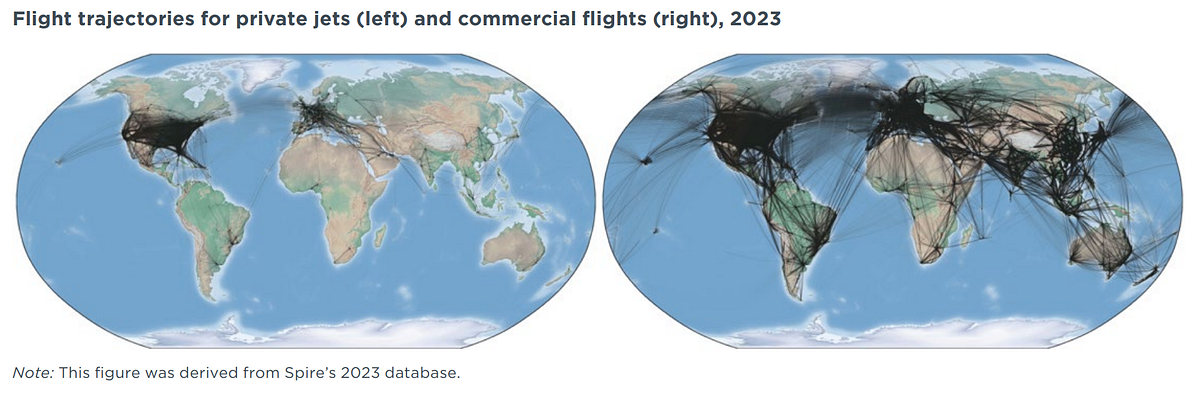
Private jets are not the biggest slice of global emissions. The issue is what they symbolise: a small group burning a huge amount of fuel for comfort, speed, and status, while the rest are told the planet depends on their paper straw.
One person’s luxury can cancel out thousands of people’s careful choices
A “tonne” is 1,000 kilograms. Think of a small car. Now imagine the weight of ten cars. That’s roughly 10 tonnes. Many people live their whole year inside a few tonnes of emissions.
Now compare that to hundreds or thousands of tonnes tied to frequent private flying. The point isn’t to obsess over one celebrity. It’s to see how high-end consumption can wipe out the benefits of thousands of normal people doing their best.
When climate feels unfair, it’s usually because it is.
The real issue is rules, pricing, and access to cleaner alternatives
Private aviation responds to incentives. If it’s cheap, quiet, and socially admired, it grows. If it’s priced like the luxury pollution it is, behaviour changes.
Practical levers are not mysterious:
- Better reporting so private flight emissions can’t hide in the shadows.
- Taxes on luxury aviation that reflect real climate costs.
- Short-trip shifts to rail where routes exist.
- Limits on “green” claims when fuel supply is tiny and cannot scale fast.
From India to the UK, development needs are real. So is fairness. Climate policy that punishes the poor and protects luxury won’t hold.
So what should we do instead of arguing about straws and litter?
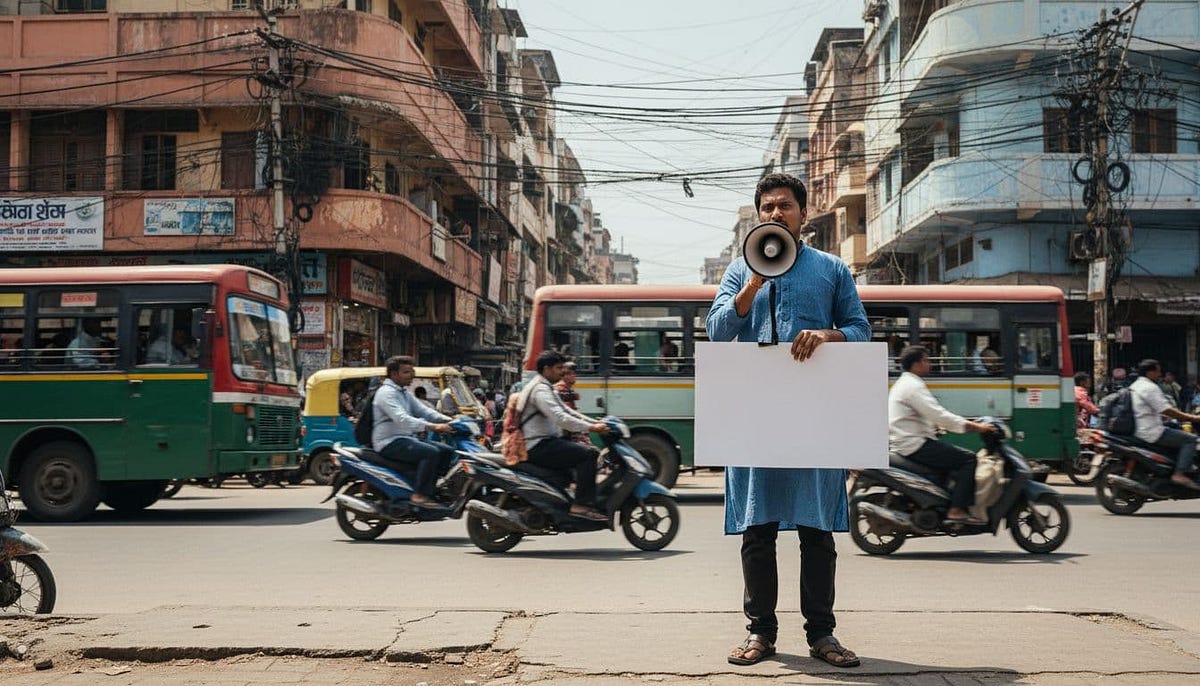
We should stop treating personal habits as a scoreboard. They’re better understood as values in action. Then we pair those values with pressure where emissions actually sit.
This is where the “Carbon Majors” research matters. The latest database (updated in 2025 with data through 2023) finds that a small set of fossil fuel and cement producers is linked to a huge share of industrial CO₂ over time, and that in recent years, an even smaller group has driven a striking share of annual emissions.
Media coverage of this trend is summarised in reporting such as The Guardian’s coverage of Carbon Majors findings. Different time windows produce different percentages, but the pattern is consistent: concentration is real.
Keep the good habits, but stop calling them a solution
Keep the basics. Not because they “cancel” a coal plant, but because they reduce harm and build community norms.
Waste less. Save energy. Use public transport when you can. Speak up when someone burns rubbish in the open. Personal action is credible when it comes with honesty about limits.
Vote, organise, and push for big wins where emissions actually are
If you want a one-month plan that matches the scale of the problem, do this:
- Pick one local fight: a coal plant expansion, a dirty industry permit, a bus route cut, a landfill fire.
- Write to one decision-maker: your councillor, MP/MLA, regulator, or city commissioner.
- Support one clean power move: faster grid upgrades, rooftop solar policies, or coal retirement with worker support.
- Ask for corporate disclosure: emissions reporting that includes supply chains and lobbying.
These are not abstract. They are the difference between feeling guilty and being effective.
Conclusion
Not littering is good. It protects wildlife and keeps streets liveable. But it can’t cancel a coal-fired power plant, and it can’t balance out a private jet fleet.
The reframe is simple: “do your bit” should mean living with care, and demanding rules that force the biggest polluters to clean up.
Your choices matter, but your voice does too. Pick one action this month that targets a large emitter or a public policy, then tell someone else to do the same.

Saket Sambhav is the founder of WriteToWin, India’s premier environmental writing competition for school students. A legal professional and DBA candidate in sustainability, he launched WriteToWin to shift generational mindsets – empowering students to make conscious choices and protect the planet. He also mentors young eco-entrepreneurs, nurturing the next wave of climate leaders.