Climate Change Is Causing Cancer, Not Overnight, But Through the Air We Breathe and the Care We Miss
Hotter cities, harsher smog: ozone and PM2.5 hit harder in heat
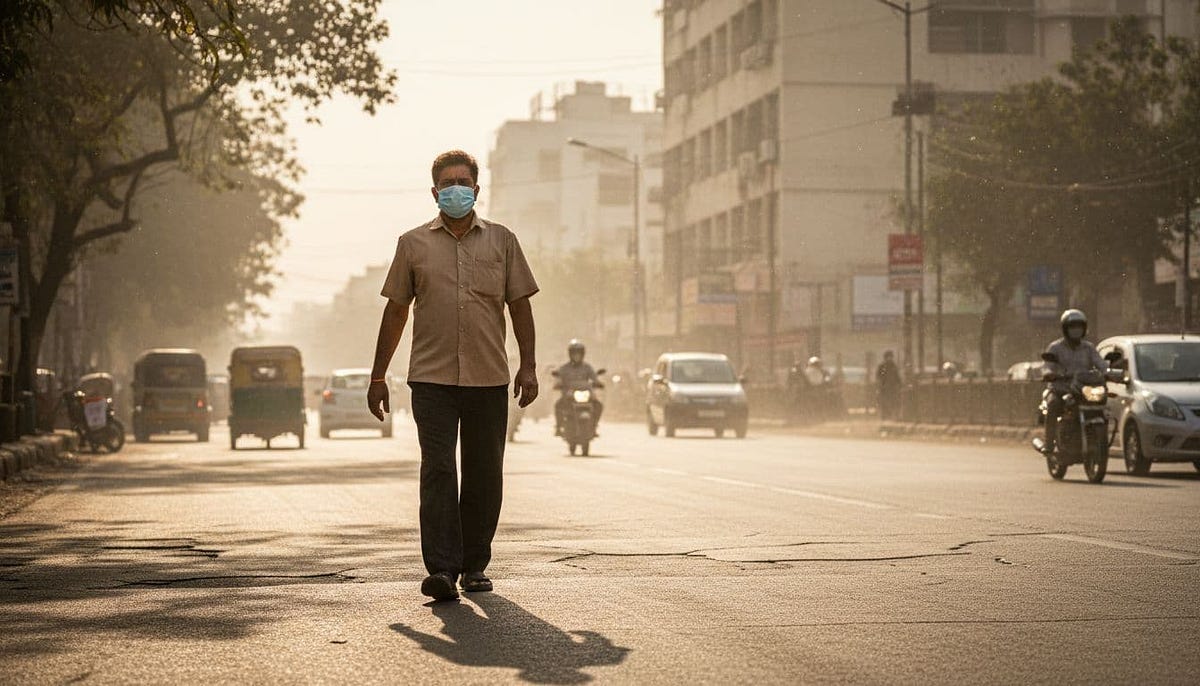
Climate change doesn’t “give” someone cancer in a single hot afternoon. Cancer is usually a long story, written in small exposures that repeat, year after year, until the body’s repair systems can’t keep up.
But climate change is changing what we’re exposed to, and how often. Hotter days trap dirty air. Wildfires turn forests, homes, and plastics into smoke that travels across borders. Sunlight that already harms skin meets new patterns of heat and behaviour. Floods and heatwaves can also snap the threads of healthcare, so people get diagnosed later, or treatment gets interrupted.
From India’s longer summers and harsher heatwaves to wildfire smoke drifting across continents, the message is shared: climate change increases cancer risk by raising exposure to known cancer-causing agents and by disrupting care. This piece explains the main pathways, who carries the heaviest burden, and what actions actually help.
How climate change can raise cancer risk, the main pathways
Think of cancer risk like a bucket under a leaking tap. One drip won’t fill it. A stronger leak, over years, might. Climate change often works like that, not as a single cause, but as a force that increases the drip rate.
The science here is still growing, and some cancers take years, even decades, to show up. But the pathways are not mysterious. They run through the basics of life: air, sun, water, food, and the safety of our homes.
Hotter air, dirtier air: air pollution and ozone that damage lungs
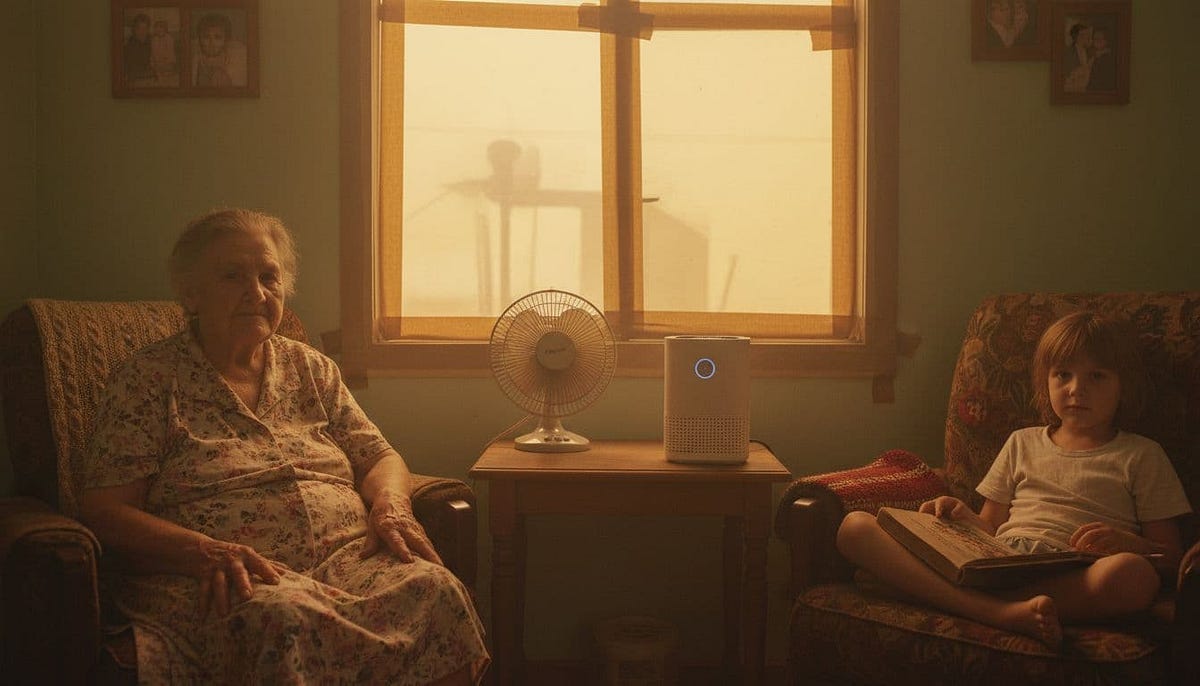
Heat changes the chemistry of the air above our streets. When temperatures rise, ground-level ozone forms more easily, and polluted air can linger longer. Cities that already struggle with traffic fumes, coal burning, or industrial emissions can see longer stretches of harmful air.
Air pollution is not just “bad for breathing”. Fine particles (often called PM2.5) are small enough to travel deep into the lungs. Some carry toxic compounds and metals. Over time, this can inflame tissues and damage cells, raising the chance that faulty cells survive and multiply.
The global cancer community is blunt about the scale of the problem. The Union for International Cancer Control summarises the evidence in its explainer on cancer and air pollution, including the growing recognition that many lung cancer cases happen in people who never smoked.
Climate change does not replace tobacco as a risk, but it can worsen the background conditions that make lungs more vulnerable.
Wildfire smoke carries cancer-causing chemicals far beyond the flames
Wildfires are no longer a once-in-a-decade headline in many regions. Hotter, drier conditions can make fire seasons longer and more intense. When forests burn, smoke is already harmful. When towns burn, the smoke can include a nasty mix from plastics, treated wood, fuels, and household chemicals.
Wildfire smoke contains tiny particles and compounds such as PAHs (polycyclic aromatic hydrocarbons), which are linked to cancer risk. What makes this frightening in a quiet way is distance. Smoke doesn’t respect borders. It can travel hundreds, even thousands, of kilometres, turning a clear morning into a grey afternoon far from the fireline.
A recent overview in The health burden of wildfire smoke in a changing climate lays out how exposure happens and why repeated smoke events matter. Even short, intense episodes can spike exposure, especially for children, older adults, and anyone with lung disease.
Practical protection is unglamorous but real: keep indoor air as clean as you can during smoke days (closing gaps, using filtration if available), and use a well-fitted high-filtration mask outdoors when air quality is dangerously poor.
More UV exposure, more skin cancer risk, especially for outdoor workers
UV radiation damages DNA in skin cells. That is the core problem, simple and brutal. When DNA damage stacks up faster than the body can repair it, cancer risk rises.
Climate change can increase risk in indirect ways too. Hotter, clearer days can mean more time outdoors. Heatwaves push people towards open water, terraces, and rooftops. In India, it also means millions of outdoor workers, from construction to street vending to farm labour, spending long hours under strong sun because wages don’t pause for weather.
A 2025 review on the impact of climate change on skin cancer incidence explains how shifting climate conditions, behaviour, and vulnerability can combine to raise harm.
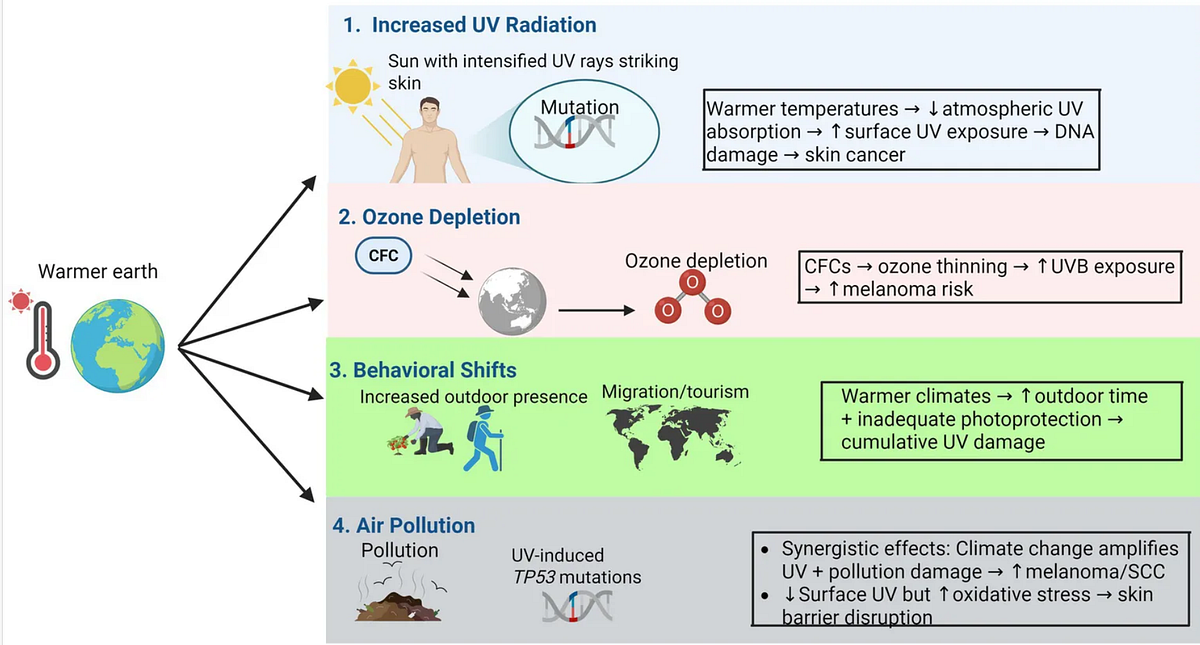
Prevention is basic, but it works: shade when possible, tightly woven clothing, a hat that actually covers, sunscreen used properly, and avoiding the harshest midday sun when you can.
The hidden link people miss: climate shocks can delay diagnosis and treatment
Cancer outcomes depend heavily on timing. Early diagnosis can turn a terrifying word into a treatable condition. Steady treatment schedules can be the difference between control and relapse.
Climate change threatens that steadiness. It does it through sudden disasters, and through slow pressure that grinds systems down.
Floods, storms, and heat can shut clinics, disrupt medicines, and stop travel
Extreme rain and floods can cut off roads and rail lines, and in parts of India, a single day of heavy monsoon flooding can make a city feel like an island. Cyclones can damage hospitals and labs. Heat can push power demand past limits, leading to outages that affect everything from operating theatres to medicine storage.
Cancer care is logistically fragile. Chemotherapy drugs have supply chains. Radiotherapy needs functioning machines and reliable power. Surgery needs safe theatres and staff who can get to work. When appointments are missed, diagnosis can happen later, when disease is harder to treat.
The global cancer community has warned about this repeatedly. The UICC describes these knock-on effects in its piece on how climate change disrupts cancer services, including how extreme weather can widen gaps in access and survival.
Food and water stress can increase exposure to toxins and weaken nutrition
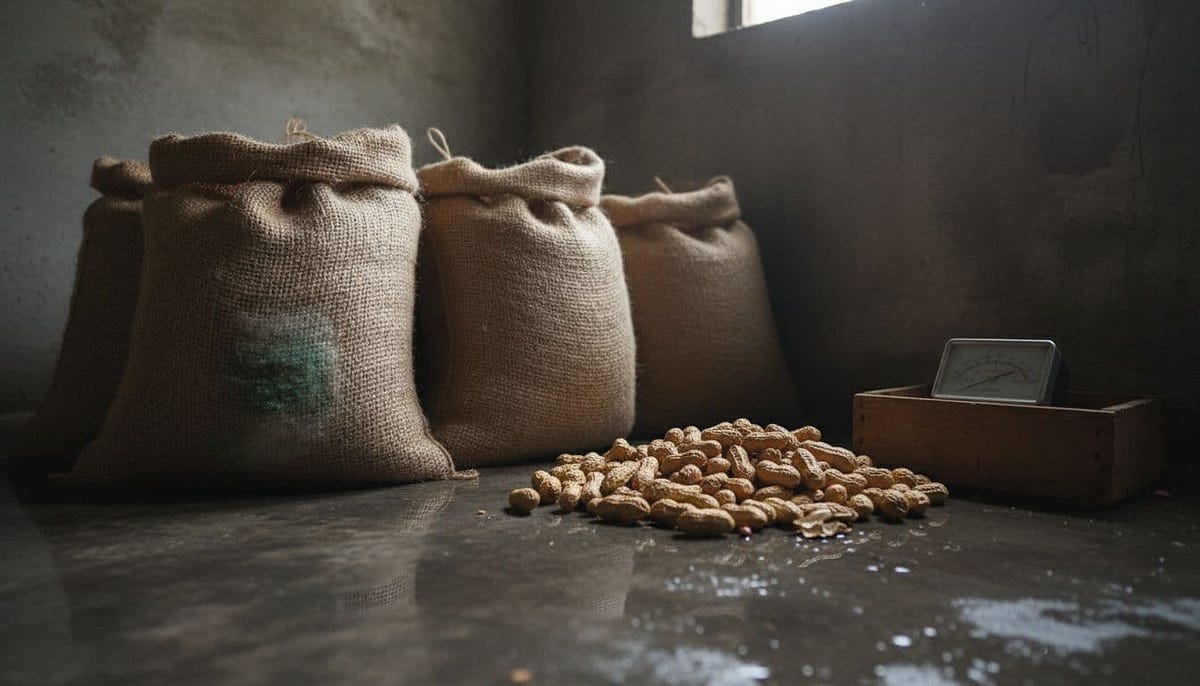
Droughts and floods change what people can grow, store, and safely eat. When grain and nuts are stored in damp conditions after heavy rain, mould can grow. Some moulds produce toxins (such as aflatoxins) that are linked to higher cancer risk over time. After floods, chemical run-off can also contaminate local water sources.
There’s also a quieter effect: diet quality drops during climate shocks. When fresh fruit and vegetables become scarce or expensive, people rely more on cheap, ultra-processed calories. That doesn’t “cause cancer” on its own, but poor nutrition can weaken overall health and reduce the body’s margin for stress, especially during treatment.
Who is most at risk, and what actually helps
Climate-linked cancer risk is not shared evenly. Exposure follows power. Protection follows money. That’s the moral problem hiding inside the medical one.
Higher risk is not shared equally: kids, older adults, women, and low-income communities
Children breathe faster and take in more air per body weight. Older adults often have existing heart or lung disease. Low-income communities may live closer to busy roads, polluting industries, or flood-prone land, and may have weaker housing that lets smoke and heat in.
Work matters too. Construction workers, farmers, waste-pickers, traffic police, delivery riders, and street vendors can’t “work from home” when the air turns toxic or the sun turns violent.
Some emerging research also suggests women’s cancer burdens may rise with heat in certain regions, but this needs more study and careful interpretation. The direction of concern is still clear: when heat, pollution, and access gaps stack together, the body pays interest on every missed protection.
What reduces climate-linked cancer risk the most, cleaner air and stronger public health
The best fixes are the least glamorous. They don’t come in a bottle. They come in rules, infrastructure, and planning.
A strong starting point is to cut the pollution that drives both warming and cancer risk. The evidence on air pollution and lung cancer is now extensive, including detailed summaries such as Air Pollution and Lung Cancer: a review.
Cleaner energy and cleaner transport reduce PM2.5 and ozone-forming pollutants, and that is prevention at population scale.
Alongside emissions cuts, communities and health systems can act now:
- Smoke response plans that trigger clean-air shelters, clear public guidance, and support for those with lung disease.
- Heat action plans that expand shade, drinking water access, and worker protections.
- Resilient healthcare with backup power, protected supply chains, and flexible scheduling for screening and treatment.
Climate action is also cancer prevention, not as a slogan, but as a measurable public good.
Conclusion
Climate change isn’t a single cause of cancer, it’s a force that increases exposure to known carcinogens and risky conditions, from polluted air and wildfire smoke to harsher UV. It also disrupts the care that saves lives, delaying diagnosis and breaking treatment routines when floods, storms, and heat hit.
The hopeful part is practical: many solutions are already on the shelf. Cleaner air, safer work, better smoke and heat planning, and stronger healthcare systems reduce risk quickly, while also protecting the future.
Wherever you live, in India or elsewhere, support clean air policies, take heat and smoke warnings seriously, and don’t skip screening if you can access it. The climate crisis is personal, but prevention can still be shared.

Saket Sambhav is the founder of WriteToWin, India’s premier environmental writing competition for school students. A legal professional and DBA candidate in sustainability, he launched WriteToWin to shift generational mindsets – empowering students to make conscious choices and protect the planet. He also mentors young eco-entrepreneurs, nurturing the next wave of climate leaders.