Students care more than many adults think. They see polluted air, flash floods, heat, vanishing green spaces, and they have opinions. Strong ones.
Yet student contest participation often stays low. Not because children lack talent, but because the route from interest to entry is messy, intimidating, or invisible. If schools want more students in national contests, they need less hype and more hand-holding.
Build awareness early, not one day before the deadline
Why students stay on the sidelines
Most students don’t skip contests because they’re lazy. They skip them because the whole thing feels foggy. Is it serious? Is it fair? Will anyone read the work properly? Will it eat into exam prep?
Credibility changes that fast. A national-level initiative feels worth the effort when students know it has clear rules, real categories, and entries are judged by experts on merit. Anonymous judging matters even more. It tells students that school name, city, or contacts won’t carry anyone through.
That trust is not a small detail. It’s the difference between “Maybe later” and “I’ll try”.
Make the contest part of school life
A good contest announcement should not die in one circular.
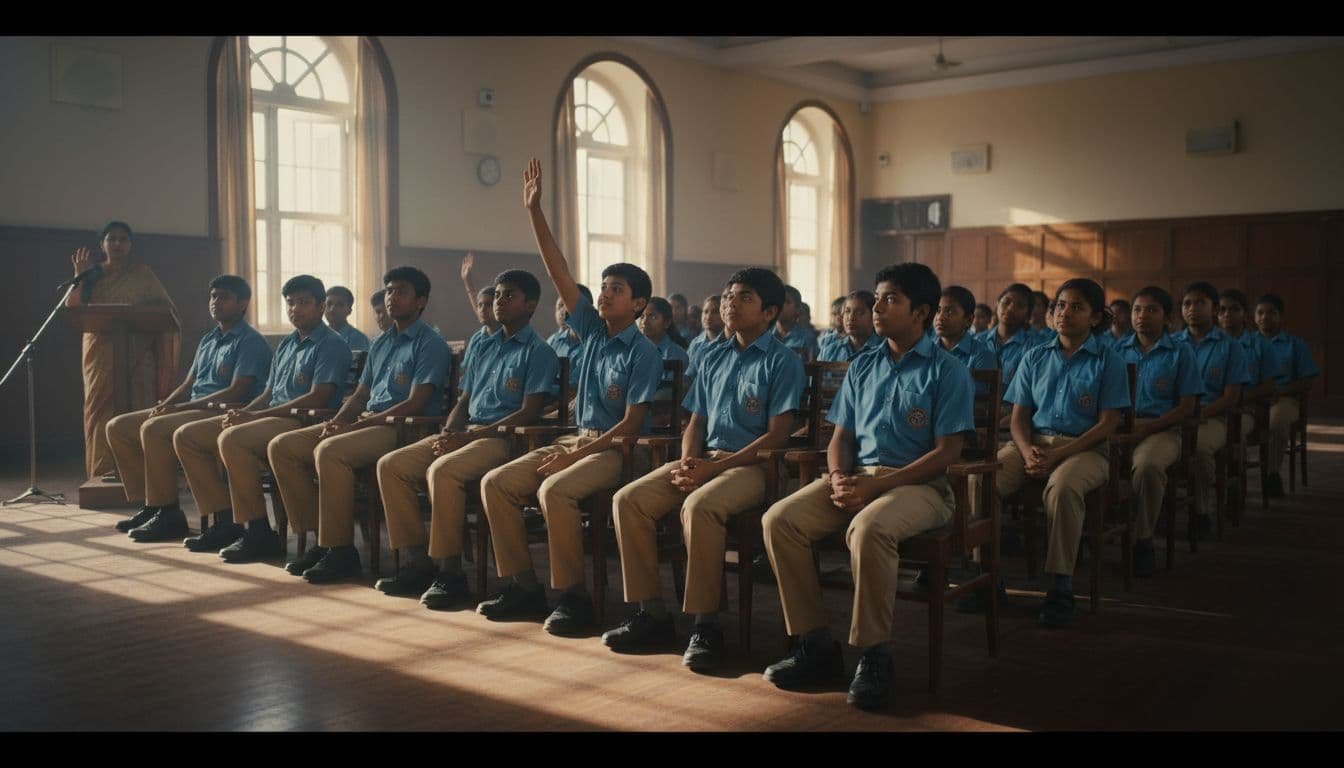
Mention it in assembly. Put it in the English department plan. Share it in class groups. Ask house teachers to repeat it. One reminder doesn’t work. Three usually do.
For climate and environment contests, relevance is easy to show because the news is already doing half the job. Students are watching stories on worsening air pollution, erratic rainfall, heat, and forests under stress. At the same time, they also see hopeful reports on species recovery and community-led conservation. That mix matters. It tells them environmental writing is not abstract, and not hopeless either.
When a contest theme connects with what students already notice outside the school gate, participation stops feeling like extra homework. It starts feeling like a chance to say something that counts.
Remove friction, or students will drift away
Give students a simple path to submit
For a 13-year-old, a contest brief can look like a tax form. Too many rules, too many tabs, too much doubt. Schools should simplify the first step.
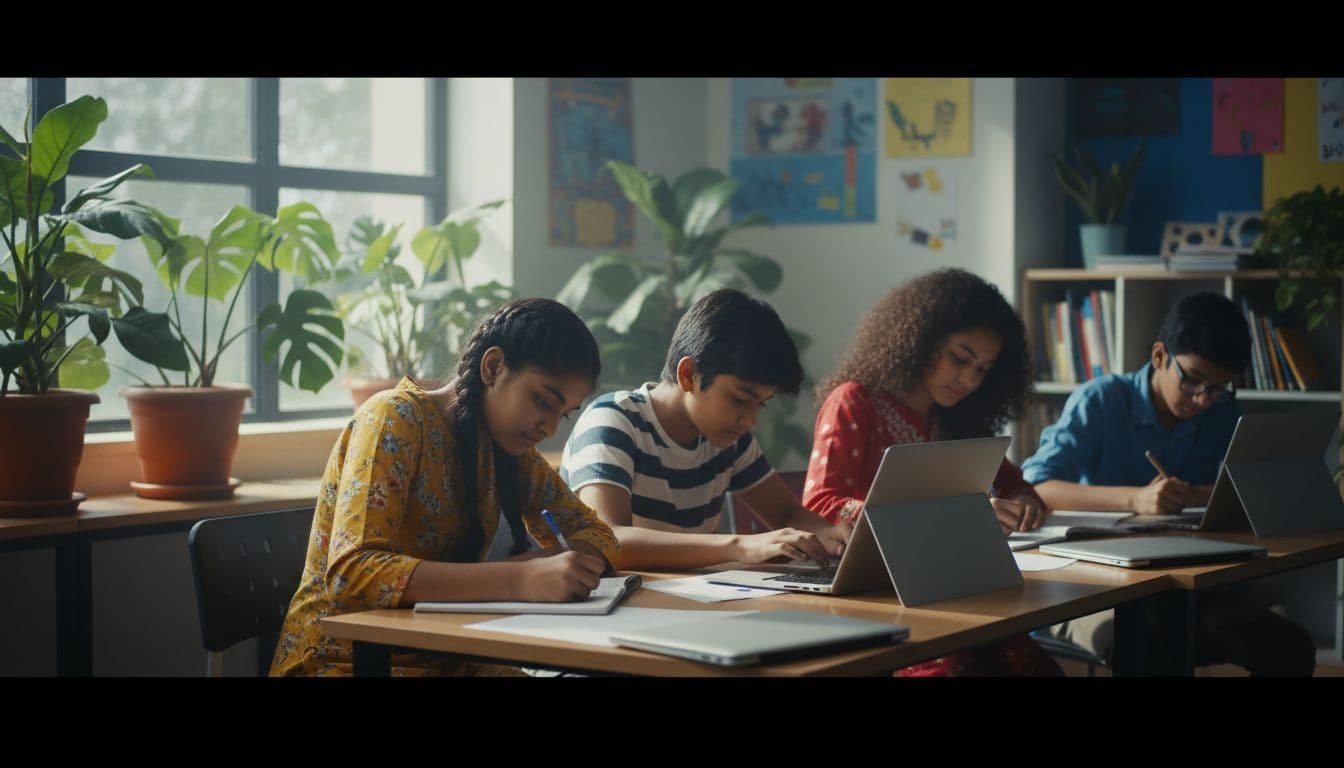
Use a short internal plan:
- Share a one-page summary with theme, word limit, deadline, and submission method.
- Give students one guided brainstorming session in class.
- Set an internal draft deadline one week before the final date.
- Offer one round of teacher feedback on structure, not full rewriting.
That last point matters. Adults should support, not hijack. A polished article written by a parent is not a student achievement. It’s a cover-up.
Pro-Tip: Reserve one class period as a “first draft hour”. Starting is the hardest part. Once students write the opening 150 words, dropout rates fall sharply.
A strong example is WriteToWin, India’s largest youth-led climate literacy initiative. Eligible students can Enter Free to Win Prizes Worth Lakhs, with free registration, national-level recognition, expert judging, certificates, and major cash prizes. For school students in Classes 6 to 12, the format is straightforward: submit an original English article, usually within a defined word range, through an online form or by email, and compete in age-based categories.
What parents, teachers, and principals should do
Parents don’t need to become co-authors. They need to become steady supporters. A quiet hour, a little encouragement, and one honest read-through are enough.
Teachers can do even more with less effort than they think. Share past winning samples. Explain what makes them work. Show students how to choose a tight topic instead of a giant one. “Plastic pollution in my neighbourhood” beats “Save the planet” every time.
School leaders set the tone. If the principal mentions the contest once in assembly and again when certificates arrive, participation goes up the next round. Recognition has memory.
Make recognition visible, then connect it to long-term gains
Motivation works when students can see it
Students are not shallow for wanting recognition. They are human.
A certificate from a respected national contest is not a trinket. When the initiative is known, judged by experts, and run with transparent rules, recognition carries weight. Add medals, prizes, shortlisted mentions, or publication, and the effort feels real.
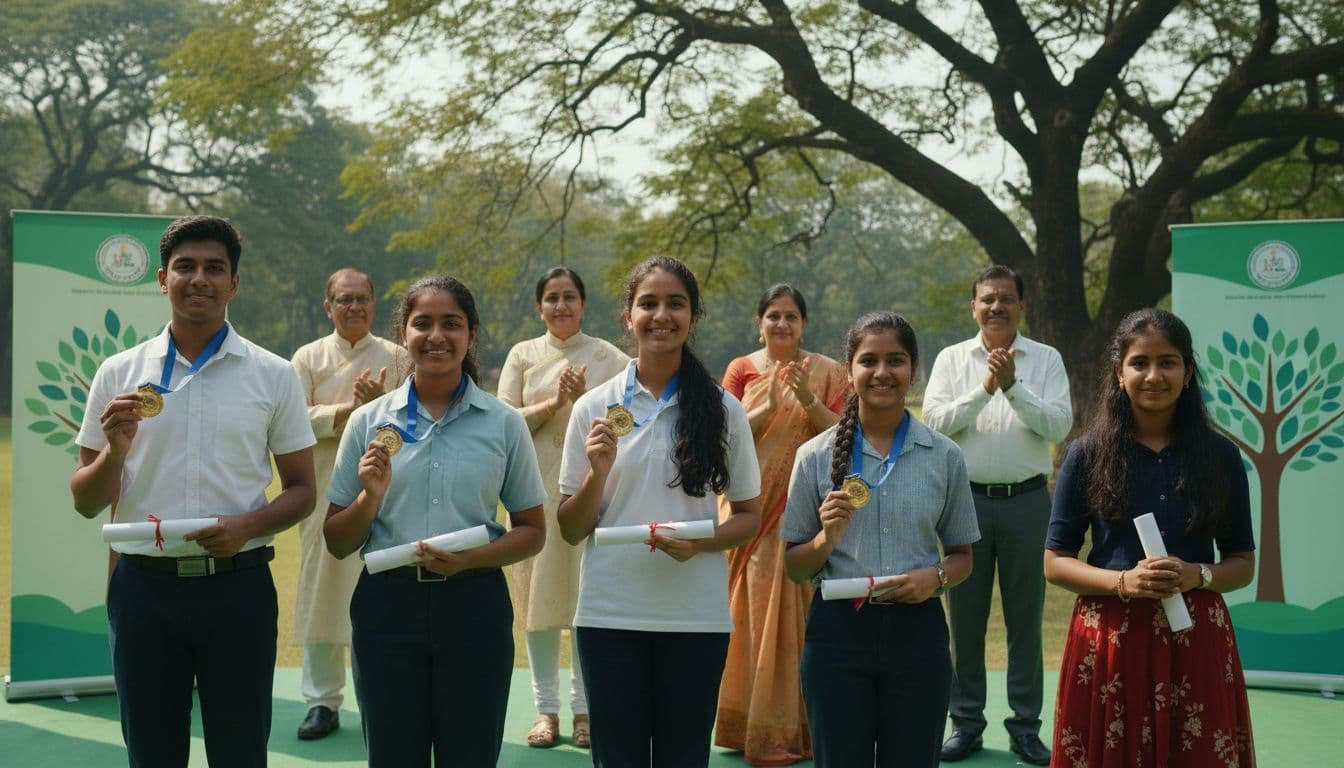
Schools should celebrate more than winners. Display participant names. Mention shortlist results in newsletters. Give a clap in assembly for first-time entrants. If you only praise rank-holders, many capable students won’t try next year.
Show the academic payoff, not only the prize
National contests sharpen skills that classrooms often say they teach but don’t always measure well. Research. Argument. Editing. Time discipline. Public thinking.
That matters later. A student who can write a thoughtful article on air pollution, water scarcity, carbon emissions, biodiversity, or waste is building a portfolio. That work helps in interviews, scholarship applications, statements of purpose, and university admissions. It also builds confidence that can’t be faked.
For climate-themed contests, the academic benefit is even wider. Students learn to connect science, society, policy, and lived experience. One article may pull in monsoon shifts, urban heat, conservation, farming, public health, and local action. That’s serious learning, not extracurricular fluff.
Conclusion
Better student contest participation does not come from posters alone. It grows when contests feel credible, manageable, and worth the effort.
If you want more entries, start small and make it easy. Show students that the platform is national, the judging is expert-led, the rules are fair, and the work can help them long after the deadline passes.
Register for the WriteToWin Summer Season – Entry is Free!

Saket Sambhav is the founder of WriteToWin, India’s premier environmental writing competition for school students. A legal professional and DBA candidate in sustainability, he launched WriteToWin to shift generational mindsets – empowering students to make conscious choices and protect the planet. He also mentors young eco-entrepreneurs, nurturing the next wave of climate leaders.