When heatwaves driven by global warming change school timings, climate change stops feeling distant. It lands in the timetable, the classroom, and the walk home.
That is why climate literacy matters now. For students in India, the biggest climate literacy benefits are practical. They sharpen thinking, build confidence, improve writing, and prepare young people for a country that must grow while facing climate change challenges like hotter summers, dirtier air, water stress, and rising energy needs. These skills build resilience against climate change.
Key Takeaways
- Climate literacy sharpens critical thinking across subjects like science, geography, English, and maths by teaching students to analyze evidence on heatwaves, floods, emissions, and local impacts.
- It builds leadership and confidence through practical actions such as school water audits, composting drives, urban gardens, and community projects, turning awareness into agency.
- Prepares students for India’s green job market and beyond with skills in data reading, clear writing, environmental risk assessment, and civic responsibility.
- Links classroom learning to real-world resilience, offering national recognition through expert-judged writing competitions like WriteToWin.
Climate literacy turns facts into judgement
It strengthens critical thinking across subjects
A climate-literate student does more than repeat slogans. They read evidence, compare claims, and ask better questions.
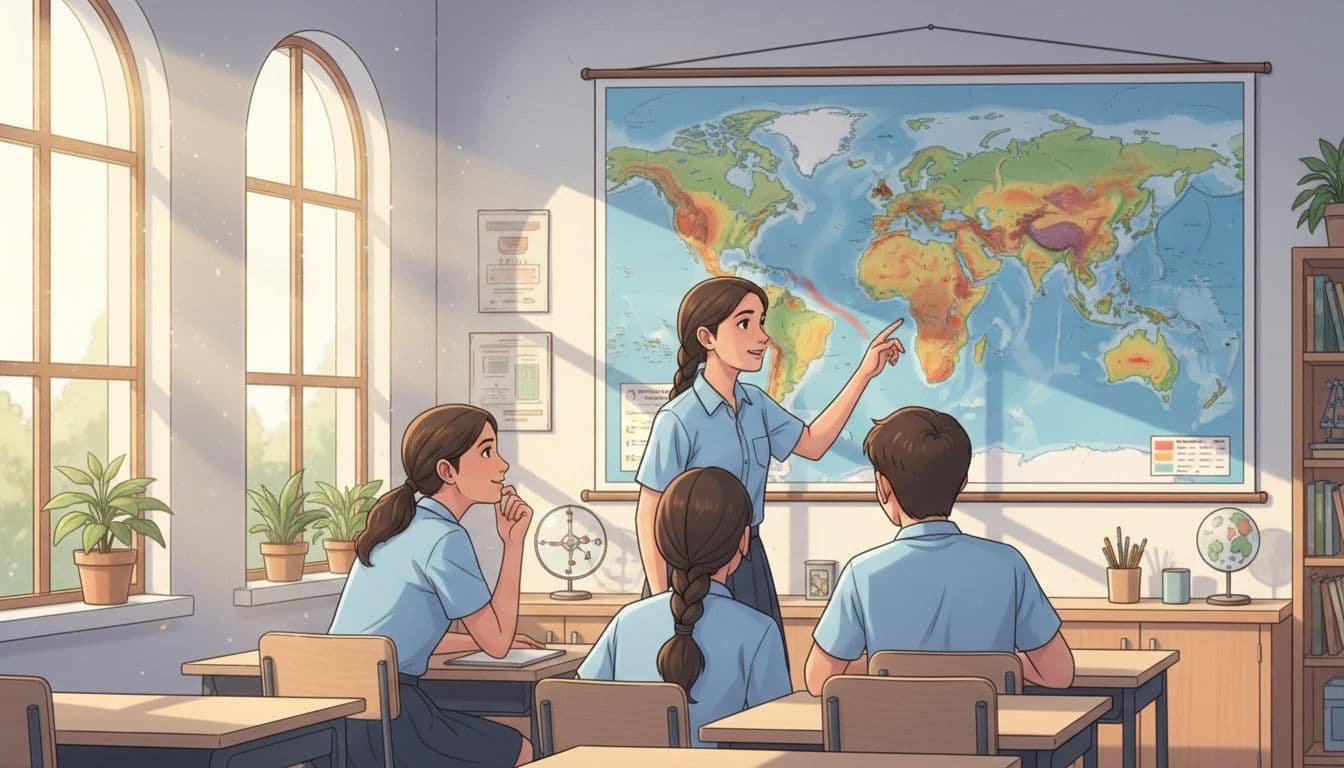
That skill matters in every subject. In climate science, students learn cause and effect through heat, rainfall, greenhouse gas emissions, the climate system, and ecosystems. In geography, they connect floods, droughts, sea level rise along coasts, forests, and cities. In English, they learn to argue with facts, not noise. Even maths becomes more alive when students read charts on rainfall, air quality, or energy use.
India’s schools need that shift because climate change is already affecting learning. A recent report on how climate change disrupts schooling in India describes how heat, floods, and damaged infrastructure can reduce attendance and learning time. That is not abstract policy talk. It is an education issue.
At the same time, educators are pushing for earlier climate education. The Hindu’s case for embedding climate literacy in the curriculum makes a strong point: students need environmental literacy alongside academic knowledge.
Climate literacy also helps students spot weak arguments. For example, “recycling” sounds good, but it is not enough on its own. Students with scientific understanding of waste start asking about battery disposal, single-use plastics, tissue overuse, water saving, composting, and cleaner city design. They stop accepting green-sounding claims at face value, empowering them to make informed decisions. That is a serious academic advantage, and frankly, it makes them harder to fool.
A peer-reviewed study hosted by King’s College London also points towards something important in Indian schooling: climate education on climate change works better when it links classroom learning with local realities and action on climate change.
It builds leadership, confidence and community impact
Students learn to act, not freeze
Bad climate education creates fear of extreme weather events. Good climate education creates agency.
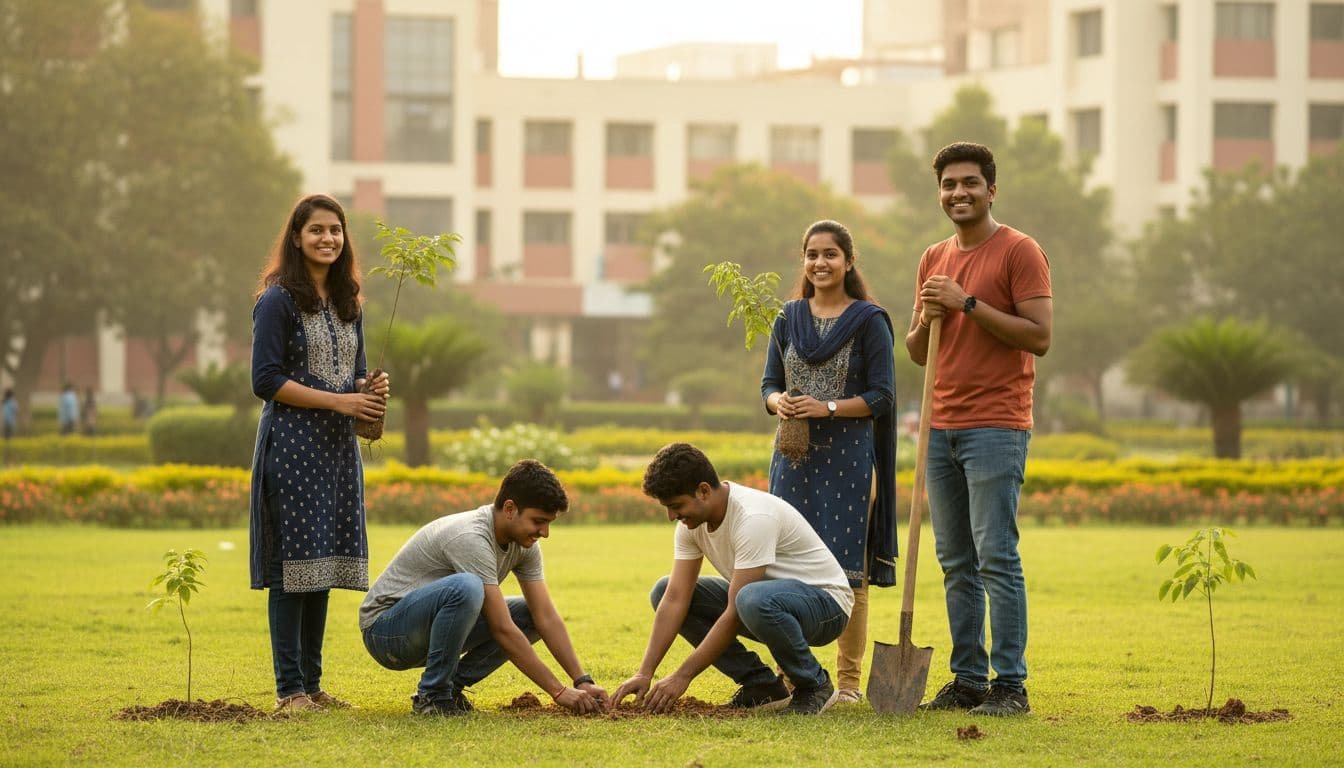
When students understand a problem well, they can respond in useful ways. They can run a water audit in school, organise a battery collection drive, push for composting, help grow an urban garden, or write a clear article for their community. These are not token activities. They embody mitigation and adaptation strategies alongside sustainable practices. They teach planning, teamwork, public speaking, and responsibility.
That matters in India because local action still counts. Mission LiFE and youth-facing government programmes on climate action and green skills have pushed behavioral change into daily life. In early April 2026, a Kolkata climate workshop brought together 28 schools and launched a Climate Ambassador Programme. That is a useful sign. Schools are moving from awareness posters to student-led work.
Pro-Tip: The strongest climate work combines one local problem, solid evidence, and one practical solution.
A few school-level examples show how leadership grows:
- Students can track leaking taps and reduce wasted water.
- They can study plastic use on campus and suggest better alternatives.
- They can map heat-prone areas in the school and propose shade, trees, or cooler timings.
There is another benefit that schools often miss. Climate literacy gives students a moral language for public life. They begin to understand pollution law, civic duty, fair development, and climate justice, including why vulnerable communities often face the highest risk. That widens empathy. It also improves citizenship.
For principals and teachers, this is valuable because it turns assemblies, projects, and essays into real learning outcomes, not box-ticking exercises.
Frequently Asked Questions
What is climate literacy?
Climate literacy equips students with the knowledge to understand climate science, spot weak arguments, and connect facts to local realities like India’s heatwaves, floods, and water stress. It goes beyond slogans, fostering judgement on issues like emissions, ecosystems, and sustainable practices. This builds resilient thinkers ready for a changing world.
Why does climate literacy matter for Indian students?
India faces hotter summers, dirtier air, and disrupted schooling from climate impacts, making literacy essential for attendance and learning. It prepares youth for growth amid challenges, embedding skills in curricula as pushed by educators and reports. Ultimately, it creates better citizens who act on Mission LiFE and local solutions.
How does climate literacy improve critical thinking?
Students learn to read evidence, compare claims, and question greenwashing on topics like recycling limits or plastic waste. This applies across subjects: charting rainfall in maths, arguing facts in English, mapping risks in geography. A King’s College study shows it works best when tied to Indian realities and action.
What practical actions can students take?
Run water audits, battery collections, composting, or urban gardens to embody mitigation and adaptation. Track leaks, map heat zones, or suggest plastic alternatives-these build teamwork, planning, and public speaking. Pro-Tip: Combine one local problem, evidence, and solution for real impact.
How does climate literacy boost careers?
It delivers green skills for renewables, law, journalism, planning-plus universal abilities like data analysis and clear writing. Competitions like WriteToWin offer expert feedback, portfolios, and prizes, strengthening university apps and interviews. Even non-green jobs benefit from climate-savvy voters and consumers.
Climate literacy benefits include career readiness and expert recognition
Green skills are no longer niche
India’s future workforce will need people who can write clearly, read data, understand environmental risk, and work across disciplines. Those are core climate literacy benefits, and they travel well into higher education and jobs.
Students interested in engineering may move towards green jobs in renewable energy, such as solar, storage, or efficient buildings, amid the transition away from fossil fuels. Law students may care about pollution control, compliance with the Paris Agreement, and personal carbon footprints. Future journalists need to report on climate change impacts like heat, floods, health, and policy without getting basic facts wrong. Urban planners, teachers, designers, economists, and civil servants will all need climate sense. Even students who never work in a “green” field will use these skills as voters, consumers, and community members.
National-level platforms can strengthen that growth. When students write original climate articles for expert review, they learn research discipline, structure, and credibility, including understanding the carbon cycle. Anonymous judging matters because it rewards quality over school name or social reach.
That is why a serious competition can be more than a certificate hunt. Students who want national recognition can Enter Free to Win Prizes Worth Lakhs, a free competition that is open to young people, judged by experts, and built around original climate writing. For schools, it offers a credible way to encourage thoughtful writing. For students, it offers proof that their ideas can stand in a national field.
This kind of expert evaluation has lasting value. It helps students build portfolios, improve university applications, and speak with more authority in interviews, debates, and public forums.
Climate literacy is not extra homework for a worse world. It is training for the world students already live in.
If young people can read the signs of climate change, test claims, and lead with evidence, India gains more than awareness. It gains better thinkers, ensuring a sustainable future.
Register for the WriteToWin Summer Season. Entry is Free!

Saket Sambhav is the founder of WriteToWin, India’s premier environmental writing competition for school students. A legal professional and DBA candidate in sustainability, he launched WriteToWin to shift generational mindsets – empowering students to make conscious choices and protect the planet. He also mentors young eco-entrepreneurs, nurturing the next wave of climate leaders.