The best school essays rarely begin with a textbook. They start at the leaking tap, the smoky road, the plastic wrapper on the desk, or the tree that vanished last summer.
That is why strong environmental essay topics for Classes 6 to 8 should feel close to real life. Students write better when environmental issues are visible, local, and linked to choices they understand. That matters even more in a national-level competition, where expert judges notice honest thinking faster than fancy words. Students are increasingly aware of climate change through their own observations rather than just textbooks.
Key Takeaways
- Strong environmental essay topics for Classes 6 to 8 connect to everyday life, like leaking taps or plastic in drains, making them observable, local, and personal for better student writing.
- Choose narrow themes-water conservation, waste segregation, trees, biodiversity, or local climate effects-with one problem, example, and solution to avoid vague essays.
- Essays win with originality: start with a real scene, add a clear opinion, explain why it matters, and end with practical steps anyone can take.
- Local action beats big claims; topics students see in one week, like school composting or saving green spaces, build honest, judge-impressing arguments.
How to choose environmental essay topics that feel fresh
Middle-school students do not need giant topics with giant claims. “Save the Earth” sounds noble, but it often turns vague within three lines. A better topic has one place, one problem, and one clear idea.
Pick themes students can observe in Indian homes, schools, cities, and neighbourhoods amid rapid urbanisation. Water shortage in summer, waste segregation in classrooms, traffic pollution, stray plastic near drains, or the value of trees after a heatwave all work well. These topics invite examples, and examples give essays their backbone.
Recent climate news has made one thing plain. Environmental issues are no longer far away. Floods, hard rain, hotter days from climate change, stressed forests, and poor air quality are showing up in daily life. Still, essays for Classes 6 to 8 should not sound hopeless. They should show action, because children write best when they feel they can help.
A good topic usually has these signs:
- It connects to everyday life.
- It relates to the impact of human activity on the local environment.
- It is narrow enough for a short school essay.
- It allows one opinion, one example, and one solution.
- It gives the student room to sound personal, not mechanical, while exploring sustainability.
Teachers can use the same rule. If a topic sounds like a textbook chapter, it is too wide. If it sounds like a problem a student has seen, it is usually right.
Best environmental essay topics by theme
Water, waste and the habits that matter
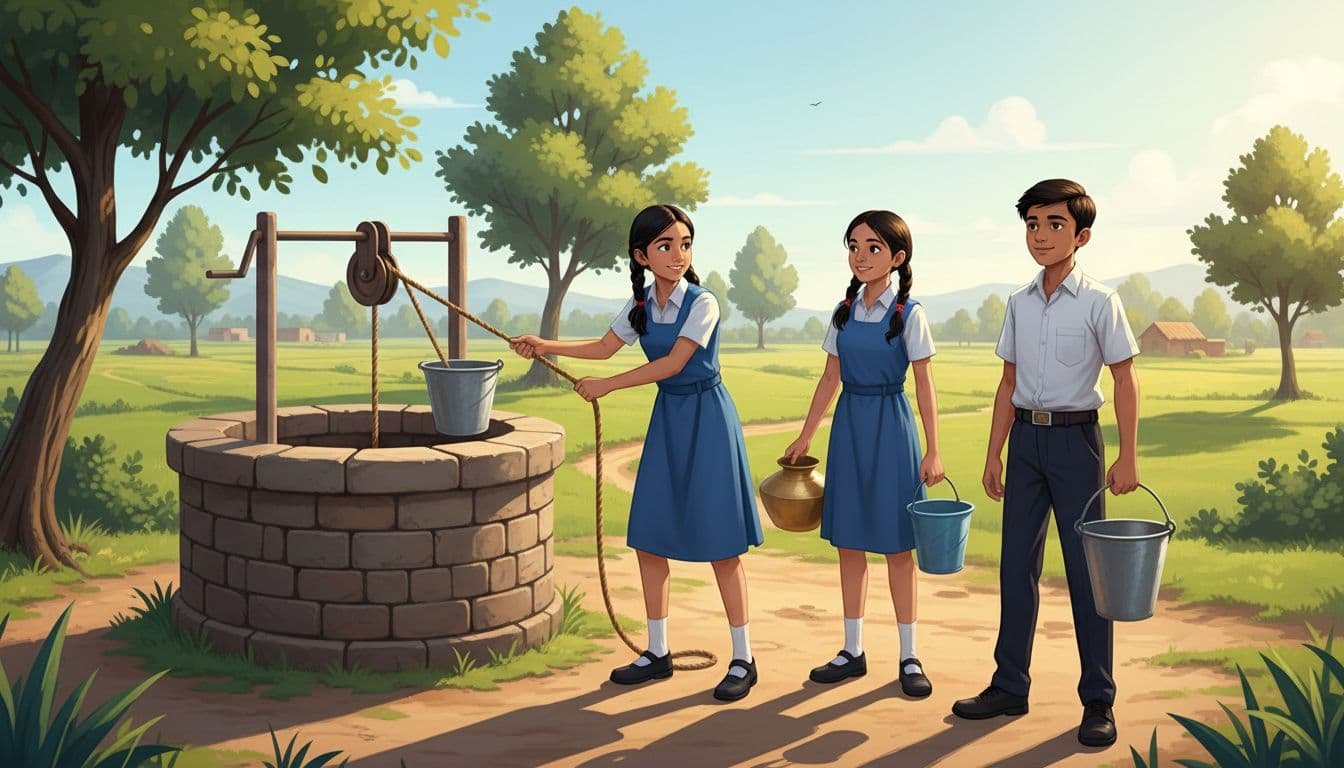
Water topics work because every student understands their value, especially for water conservation. In many Indian towns and villages, summer makes the lesson sharp. Essays on water also improve when students write about leaking taps, rooftop rainwater use, handpump queues, or wasting water during school cleaning.
Some of the strongest topic choices are:
- How my school can save water during summer.
- Why every drop counts at home and in class.
- Rainwater harvesting in Indian schools.
- Plastic pollution in my neighbourhood.
- How plastic pollution impacts marine life.
- Why reducing single-use plastic matters more than recycling alone.
- The link between fast fashion and waste.
- My family’s small swaps to cut daily waste.
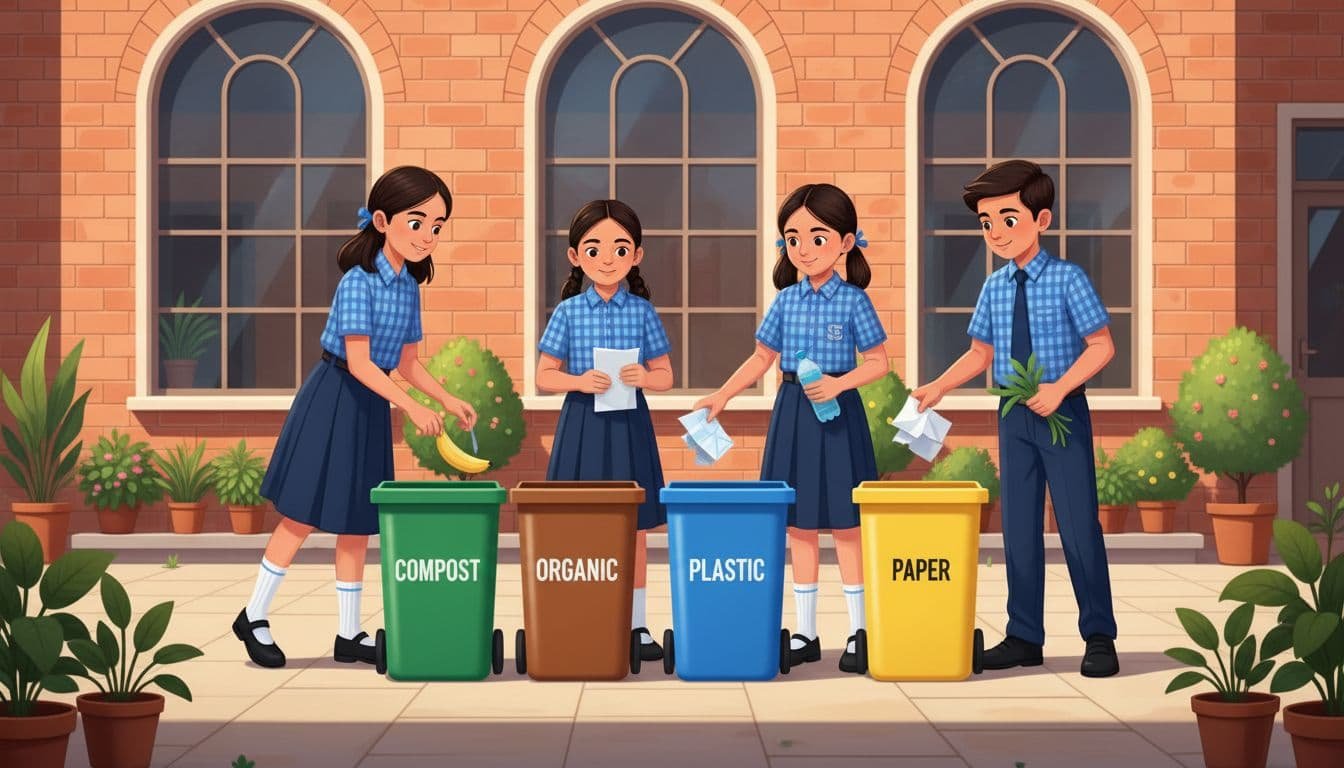
- Why composting kitchen waste makes sense for schools.
That last topic often surprises students. Yet composting is simple, practical, and easy to explain as part of effective waste management. Waste essays also become stronger when they mention segregation at source and recycling. Kerala’s decentralised waste model gets attention for a reason, local action works better than one giant dustbin approach.
Trees, biodiversity and climate topics students can own
Nature essays need more than general statements. Students should write about what trees do to prevent deforestation and support a healthy ecosystem. They cool hot areas, hold soil, shelter birds, and make streets feel alive. The same goes for school gardens. Urban gardens are gaining attention because they grow food, support biodiversity, bring people together, and cool overheated spaces.
These topics usually work well:
- The importance of trees in my city or village.
- How a school garden can help birds, butterflies and students.
- Why biodiversity matters in India.
- Saving ponds, parks and local green spaces.
- What I learnt from watching birds or insects near my home.
- Wildlife conservation in my backyard.
- Protecting endangered species around us.
- How polluted air affects school life, sports and health.
- Why leaving lights and chargers on wastes electricity.
- The danger of throwing used batteries into the dustbin.
- Global warming and its local effects.
Even paper waste can work. Tissue use and careless notebook waste look small, but across a whole school, they add up fast. That makes the essay more real, and real beats dramatic.

Climate awareness also suits this age group when it stays concrete and focuses on preserving natural resources. Students can write about heatwaves, strange rain, air pollution, cycling short distances, or how renewable energy can help schools use power better and reduce the greenhouse effect. Big climate talk is easy. Local climate writing is far better. For more advanced angles, they can explore how global warming threatens food security or leads to ocean acidification.
How to turn a simple topic into a winning essay
The topic opens the door, but the angle wins the room. Environmental conservation efforts begin with individual awareness. A plain title can still shine when the student adds one real scene, one clear opinion, and one workable fix. “Water conservation” becomes sharper when it begins with an empty school tank in May. “Plastic pollution” feels stronger when the essay tracks one lunch break’s worth of wrappers.
Pro-Tip: Pick a topic you can observe in one week, like tracking your personal carbon footprint. If you can spot examples on the road, at home, or in school, you can turn these into argumentative essay topics by taking a clear stance, and your essay will sound more original.
For school contests and national-level platforms, originality matters more than decoration. WriteToWin is a national-level initiative that encourages students to think about corporate social responsibility and its role in protecting the planet, and entries on topics like climate change and renewable energy are judged anonymously by experts. That is good news for sincere writers. Clear structure, real examples, and simple language usually travel further than memorised lines. Students should write in their own voice, because borrowed language is easy to spot. Even for middle schoolers, understanding basic environmental policy can strengthen their arguments.
Students who want a serious platform can Enter Free to Win Prizes Worth Lakhs. Registration is completely free, open to students and youth, and the initiative offers recognised certificates and cash prizes worth lakhs through India’s largest youth-led climate literacy initiative.
A useful essay structure is simple. Start with the problem. Add a local example. Explain why it matters. End with practical steps that students, families, schools, or communities can take.
Frequently Asked Questions
What makes an environmental essay topic suitable for Classes 6 to 8?
Topics should feel close to real life, like water shortages in summer or plastic near drains, rather than broad ideas like “Save the Earth.” They need to be narrow enough for short essays, linked to human habits, and allow personal examples from home, school, or neighborhood. This keeps writing concrete, engaging, and action-focused.
How can students turn a simple topic into a winning essay?
Start with a vivid local problem, like an empty school tank in May, add one clear opinion and example, explain its impact, and suggest workable fixes like rainwater harvesting. Use simple language and your own voice for originality, which judges spot over fancy words. Track something observable in a week, like personal waste, to make it authentic.
Why focus on local issues instead of global climate change?
Global topics often turn vague, but local ones—like air pollution affecting school sports or trees cooling streets—let students use real observations for stronger essays. They show human impact and personal solutions, avoiding hopelessness while building sustainability awareness. Concrete writing travels further in contests.
What are some strong topics on water and waste?
Try “How my school can save water during summer,” “Plastic pollution in my neighbourhood,” or “Why composting kitchen waste makes sense for schools.” These invite examples from daily life, like leaking taps or lunch wrappers, and highlight habits like segregation that work locally. They prove small swaps matter more than giant claims.
Where can students submit environmental essays for prizes?
Enter the free WriteToWin initiative, India’s largest youth-led climate literacy platform with cash prizes worth lakhs and certificates. It’s open to Classes 6 to 8, judged anonymously on clear structure and real examples. Registration is simple and encourages topics on conservation and corporate responsibility.
Pick the topic you can see
The strongest essays for Classes 6 to 8 do not pretend to solve the whole climate change crisis. They show that one student has paid attention. That is what readers, teachers, and judges remember.
A strong environmental essay topic feels real before it feels impressive. If a student can see it, explain it, and care about it, the essay already has strength. Focusing on one observable problem is the first step toward understanding sustainable development. While the climate change crisis is large, student voices are essential for a healthy ecosystem.
Register for the WriteToWin Summer Season. Entry is Free!

Saket Sambhav is the founder of WriteToWin, India’s premier environmental writing competition for school students. A legal professional and DBA candidate in sustainability, he launched WriteToWin to shift generational mindsets – empowering students to make conscious choices and protect the planet. He also mentors young eco-entrepreneurs, nurturing the next wave of climate leaders.