
A story of planning, neglect, sewage and the slow erasure of a seasonal river.
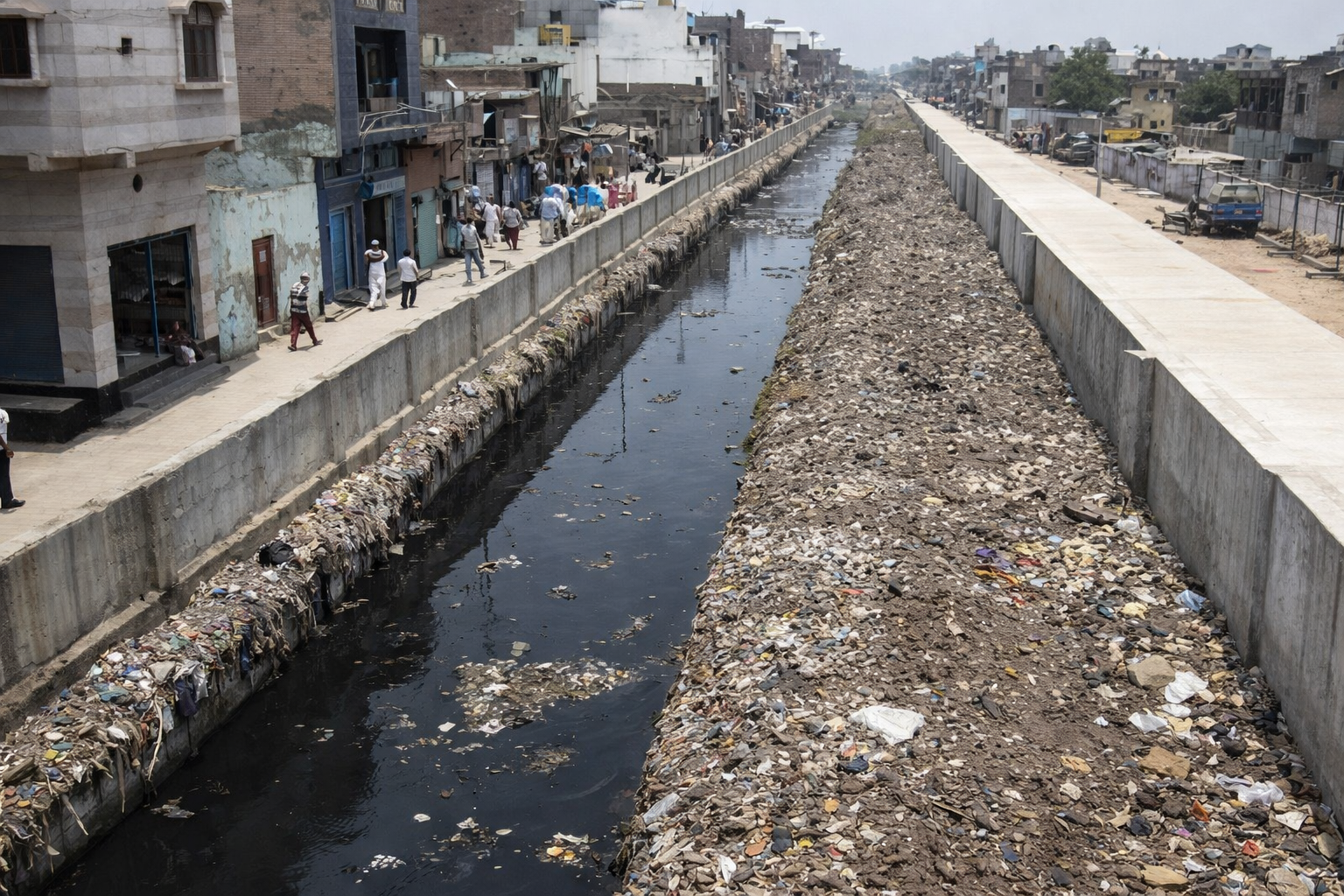
When does a river stop being a river? Not when its water slows, and not when summer leaves parts of it dry. A river begins to disappear when maps, pipes, walls and public habits turn a living watercourse into a place for waste.
That is the story of the Sahibi river, a seasonal river rising in the Aravalli hills and flowing through Rajasthan, Haryana and Delhi.
Many people now know its lower stretch as the Najafgarh drain. That shift in name tells a larger story about planning, neglect and memory.
Rivers rarely die in one dramatic moment. We push them, bit by bit, into that role.
What the Sahibi river was before it was boxed in and renamed
A monsoon river from the Aravallis, not an empty channel
The Sahibi begins in the Aravalli region, one of the world’s oldest mountain systems. From there, it moves across semi-arid land towards Delhi, gathering rain-fed flows on the way.
Because of that, it is a seasonal river, sometimes called an ephemeral river.
That word often misleads people. Seasonal does NOT mean useless. It means the river follows the monsoon’s pulse.
For much of the year, parts of its channel may look quiet or dry. Then the rains arrive, and the river wakes up, spreads, seeps, feeds ponds, and refills the ground below.
In dry regions, that rhythm matters. A monsoon river is like a savings account for the land. It stores water in soil, floodplains and shallow aquifers when rain comes, then releases that support over time.
For a simple overview of the river’s route and identity, this background on the Sahibi river helps place it in context.
Why the floodplain and wetlands mattered to people and wildlife
The Sahibi was never only a channel. It was part of a wider water system that included floodplains, marshy stretches and the old Najafgarh jheel area.
In wet months, these spaces held excess water. In dry months, they supported farming, grazing and groundwater recharge.
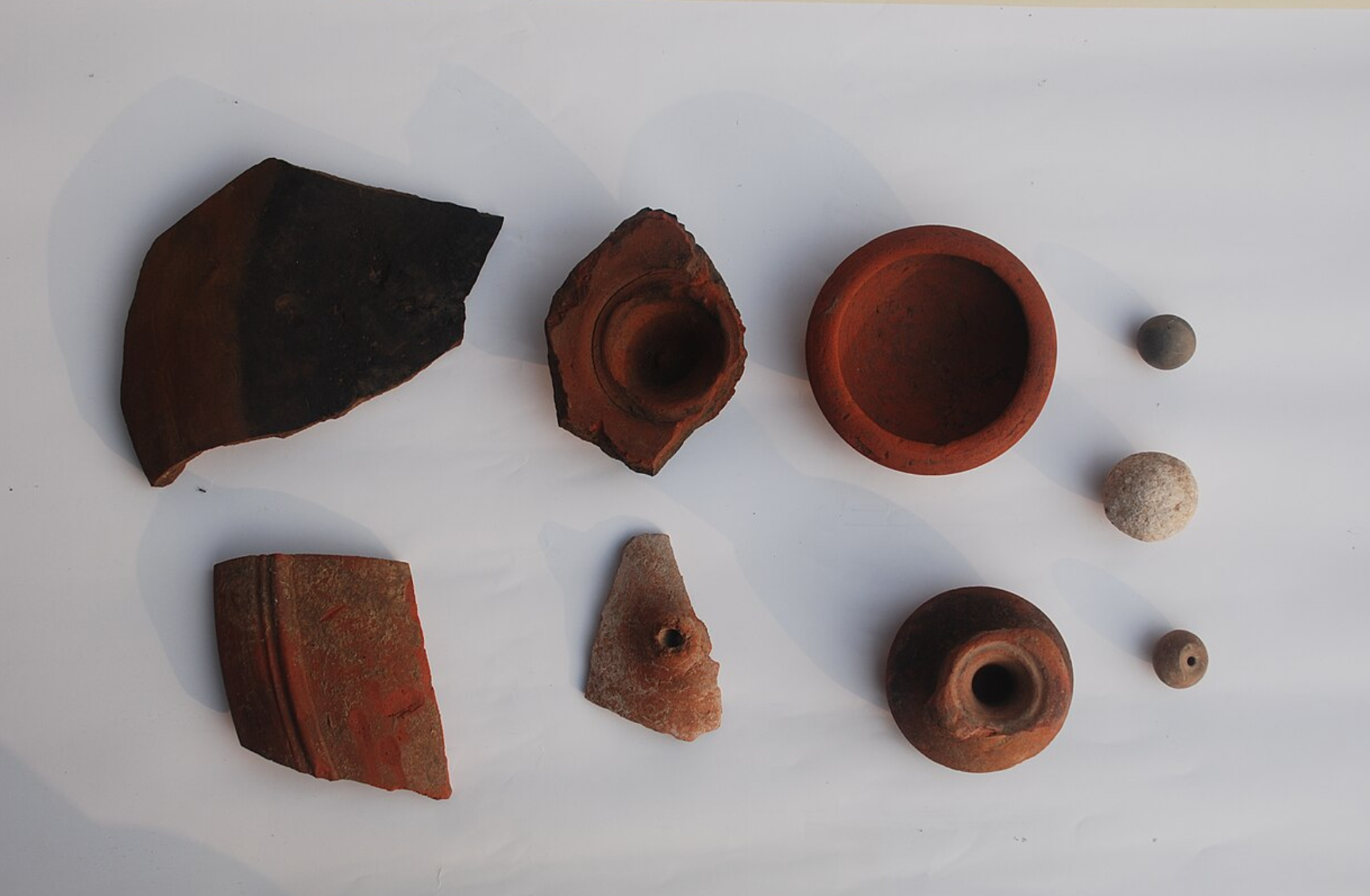
They also fed life beyond people. Wetlands draw birds, fish, insects and reeds, and then they stitch an entire local food web together. Lose that, and the land grows harder, hotter and poorer.
Najafgarh jheel stands at the heart of this story. It was not some useless swamp waiting to be “fixed”. It was a sponge, a buffer and a habitat.
This account of the forgotten Najafgarh jheel shows how closely the wetland and river were linked. Once that link weakens, a river starts losing both its body and its memory.
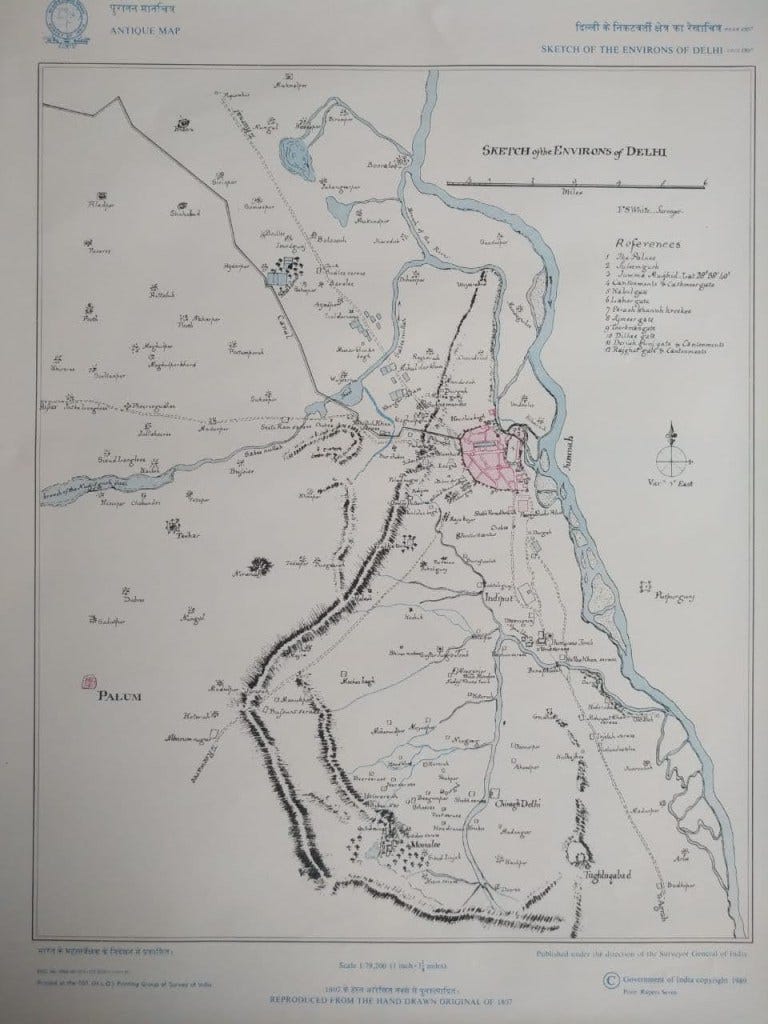
A seasonal river is not an absent river. It is a river working on a different clock.
How the Sahibi slowly became the Najafgarh drain
Engineering the landscape for drainage, flood control and city growth
The Sahibi did not become a drain in one year, or under one government. It changed through a long chain of choices. First came the urge to control water, then the urge to move it away fast.
Wetlands were drained because standing water looked like a problem. Channels were straightened or embanked because floods frightened farms and settlements.
Roads, colonies and other works then treated floodplains as spare land. In the short term, each move looked practical. In the long term, the whole system broke.
This is a familiar urban habit. Cities often act like rivers are bad guests, welcome only when they stay inside narrow lines. Yet rivers do not think like engineers. They spread, soak, slow and shift.
When you confine that movement, you do not remove risk. You often push it downstream or save it for a worse day.
The renaming mattered too. “Sahibi river” carries history. “Najafgarh drain” sounds like a utility line.
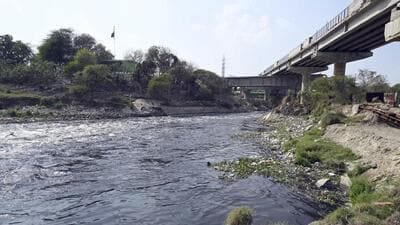
Once a river is boxed into the language of drainage, public care drops. Protection feels optional. Dumping begins to look normal.
When sewage and waste changed both the water and its public image
Then came the deeper wound, sewage and waste. As towns grew into cities and villages became dense urban edges, untreated or poorly treated sewage entered the channel.
Solid waste followed. So did dirty runoff from roads, plots and industry.
Water changes fast under that pressure. It darkens, slows, smells and foams. Banks become dumping grounds. Birds thin out. Children stop going near it.
After a point, people no longer see a river at all. They see a dirty trench.
That change in public image is not small. Perception shapes policy. If a watercourse looks like a drain, leaders treat it like one.
Budgets go towards carrying waste away, not healing a river basin. The label becomes a self-fulfilling curse.
So the Sahibi was not merely polluted. It was socially downgraded. A living system became municipal afterthought. That is how neglect works in India and far beyond it.
First, we choke the river. Then we say it was only a drain anyway.
What the Sahibi River story tells us about India’s urban future
Why lost rivers return as floods, water stress and hotter cities
When cities erase rivers and wetlands, the damage does not stay hidden. It returns as street flooding after heavy rain, as falling groundwater, and as hotter neighbourhoods with fewer green edges. The land loses its ability to absorb shock.
Less infiltration means more runoff. Less wetland storage means more flood peaks. Less recharge means deeper water stress in summer.
At the same time, fewer open blue-green spaces can make urban heat worse. The bill arrives later, but it always arrives.
This is why the Sahibi matters beyond Delhi’s edge. It is a case study in how cities forget natural drainage, then act surprised when water refuses to follow a property line.
Can a river treated as a drain still be restored
Full return to the past is unlikely. Too much has changed. Still, recovery is not fantasy. It starts with a basic act of honesty, calling the Sahibi a river again.
After that, the work is plain, if not easy.
- Stop sewage inflows.
- Protect what remains of the floodplain.
- Revive wetland patches where possible.
- Map the old water paths before more construction blocks them.
- Most of all, restore public memory, because people defend what they can name.
Recent reporting on plans to revive the Sahibi’s lost stretch suggests this idea is returning to public debate.
Restoration is not nostalgia. It is city maintenance with a conscience.
The answer to the title’s question is plain. The Sahibi did not become a drain at one fixed moment. We pushed it there over years through engineering choices, sewage, encroachment and the easy cruelty of forgetting.
Names matter because they train the public eye. Call a river a drain long enough, and people stop expecting life from it. Call it a river again, and responsibility returns with the name.
If we can turn rivers into drains, we can also choose the harder, cleaner work of bringing them back into civic memory.

Saket Sambhav is the founder of WriteToWin, India’s premier environmental writing competition for school students. A legal professional and DBA candidate in sustainability, he launched WriteToWin to shift generational mindsets – empowering students to make conscious choices and protect the planet. He also mentors young eco-entrepreneurs, nurturing the next wave of climate leaders.