When you think about waste management, you probably picture massive landfills and fleets of garbage trucks. But in Kerala, they’ve turned that idea on its head. The state operates on a simple yet powerful principle: My Waste, My Responsibility.
This isn’t just a catchy slogan. It’s a complete shift away from relying on overburdened central systems. Instead, the responsibility is placed right where the waste is created—in every home, every neighbourhood.
How Kerala Reimagined Its Waste Management
So, how did they pull this off? By building a system where waste isn’t seen as someone else’s problem. Kerala has fostered a culture where individuals, communities, and local governments are all in it together.
The key to this transformation is decentralisation. Imagine, instead of one giant, clunky factory trying to process the entire state’s waste, Kerala has set up thousands of small, nimble workshops. Some are at the community level, and many are right in people’s backyards. This way, biodegradable waste gets handled on the spot, often turned into compost or biogas, transforming a potential pollutant into a valuable resource.
The Driving Forces Behind the Change
This community-first system didn’t just happen by chance. It’s guided by a few key players. The Suchithwa Mission is the strategic nerve centre, offering the technical know-how and running awareness campaigns that have really ingrained the idea of responsible waste handling into the public mindset.
But the real heroes on the ground are the Haritha Karma Sena, or the ‘Green Action Force’. This incredible workforce, made up mostly of women from the Kudumbashree network, is the backbone of the entire collection process. They’re not just waste collectors; they’re green entrepreneurs who go door-to-door, gathering non-biodegradable waste and making sure it gets channelled into the proper recycling stream.
“The core philosophy is simple yet profound: waste is a resource, and its management begins with the person who creates it. This shift in mindset has been the single most important factor in Kerala’s success.”
Measurable Success and Community Buy-In
And the results speak for themselves. This approach has led to some staggering achievements. In March 2025, Kerala hit a huge milestone when a whopping 98.47% of its local self-government institutions were officially declared ‘waste-free’.
This wasn’t just in a few select areas—it covered over 19,000 local wards. This kind of widespread success shows just how deeply the decentralized model has been adopted and proves what can happen when a whole community gets behind an idea. You can learn more about Kerala’s waste-free achievement and what it means for good governance.
Ultimately, the framework for waste management in Kerala shows that success isn’t just about building better infrastructure. It’s about creating a shared sense of ownership. By empowering every single citizen to become a guardian of their environment, the state has built a sustainable and people-powered model that the rest of the country can look to.
The Journey of Waste: From Your Bin to a New Beginning
The entire success of Kerala’s waste management system boils down to what happens the moment you’re about to throw something away. It’s not just about disposal; it’s the start of a carefully planned journey designed to reclaim every bit of value and stop waste from becoming pollution. And it all begins with one simple, powerful act: sorting your waste at home.
This first step is everything. This infographic paints a clear picture of the starting line for waste management across the state.
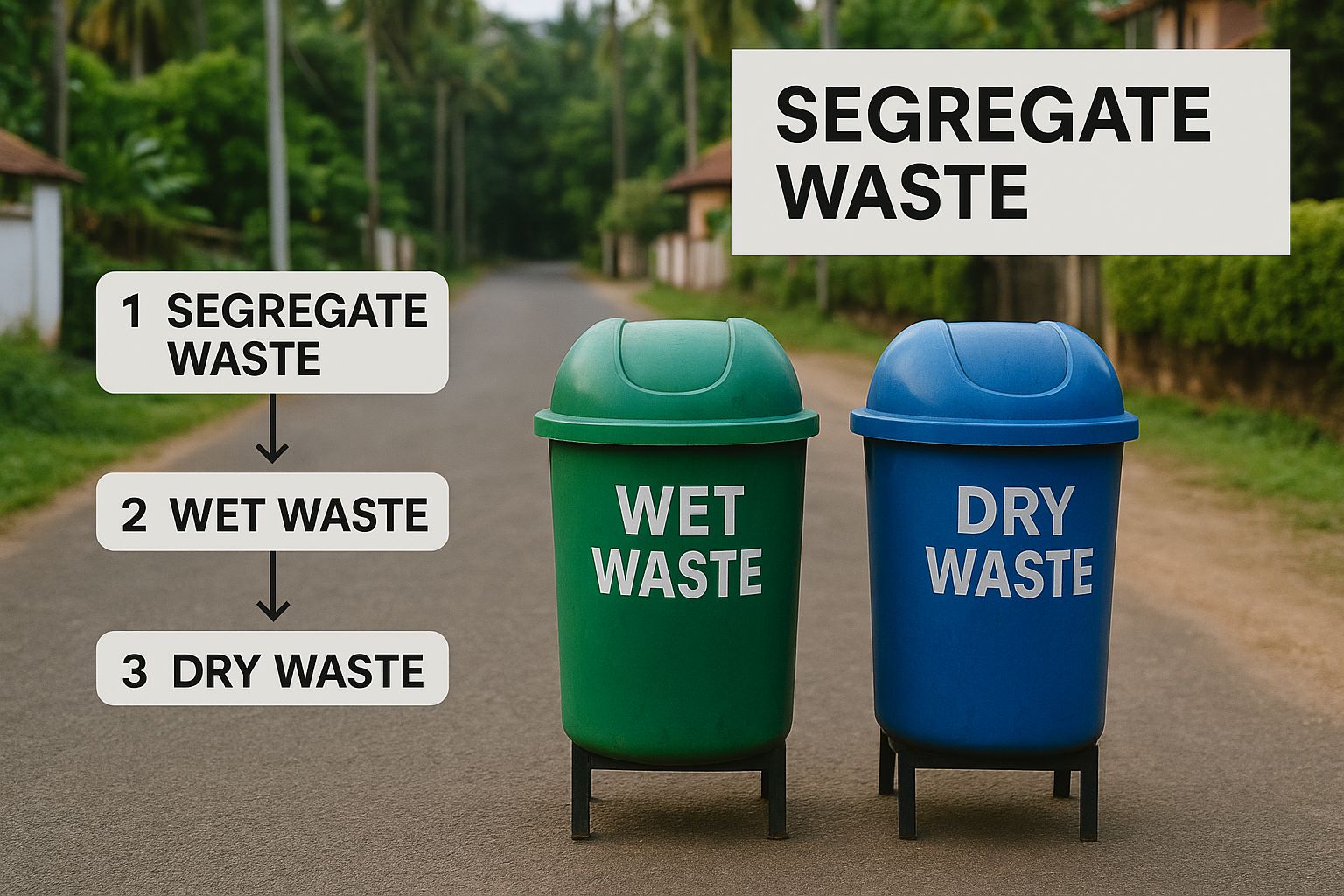
As the image shows, the whole system relies on people making that initial, conscious choice to separate their wet waste from their dry waste. Without this, the entire chain breaks down.
To get a clearer picture of what this looks like in a typical household, let’s break down how different types of waste are sorted.
Waste Segregation at Source in Kerala
|
Waste Type |
Category |
Recommended Management Method |
|---|---|---|
|
Vegetable peels, fruit scraps, leftover food |
Biodegradable (Wet Waste) |
On-site composting or biogas plant |
|
Plastic bottles, food containers, packaging |
Non-Biodegradable (Dry Waste) |
Handed over to Haritha Karma Sena for recycling |
|
Newspapers, cardboard boxes, magazines |
Non-Biodegradable (Dry Waste) |
Collected separately for paper recycling |
|
Glass bottles and jars |
Non-Biodegradable (Dry Waste) |
Kept separate for collection and glass recycling |
|
Metal cans, foil |
Non-Biodegradable (Dry Waste) |
Collected for metal recycling |
|
Used batteries, old electronics, light bulbs |
E-Waste / Hazardous |
Special collection drives; never mix with other waste |
This table illustrates the core principle: every item has a designated place, ensuring it follows the right path for recovery or safe disposal.
Handling Biodegradable Waste at the Source
For the “wet” or biodegradable stuff—think kitchen scraps, vegetable peels, and leftover food—the journey is often the shortest. Kerala’s model champions a decentralised approach, strongly encouraging families to manage this waste right in their own backyard. This is where individual action makes a massive difference.
Many households have adopted simple but effective techniques to turn this organic waste into something useful.
-
Composting: This can be as simple as a compost pit in the garden or a dedicated bin where microbes work their magic, breaking down organic matter into rich, black gold for plants. If you’re looking to get started, our guide on how to start composting is a great resource.
-
Biogas Plants: A growing number of homes and communities are installing small-scale biogas units. These clever systems take kitchen waste and convert it into methane gas for cooking, giving you clean energy right from your leftovers.
This on-site management is incredibly smart. It slashes the amount of waste that needs to be collected and transported, taking a huge load off municipal services and, crucially, preventing organic waste from rotting in landfills and releasing harmful greenhouse gases.
The Path of Non-Biodegradable Waste
The journey for “dry” or non-biodegradable waste like plastics, paper, glass, and metal is a bit more involved and relies on a well-oiled community machine. This is where the Haritha Karma Sena (Green Action Force) comes in. These dedicated green workers are the backbone of the system, going door-to-door on a fixed schedule to pick up the dry waste that residents have carefully segregated.
From your doorstep, this waste embarks on a multi-stage trip.
-
Arrival at the Material Collection Facility (MCF): The first stop is the local MCF. You can think of it as a neighbourhood sorting hub. Here, the collected dry waste is painstakingly sorted into specific categories—PET bottles, hard plastics, flimsy plastics, paper, cardboard, and so on.
-
Transfer to the Resource Recovery Facility (RRF): Once sorted at the MCF, the materials are moved to a larger, more centralised RRF. These bigger facilities are built to handle waste from several areas. Here, the materials are cleaned, often shredded, and then compacted into dense bales, making them much easier to transport and sell.
-
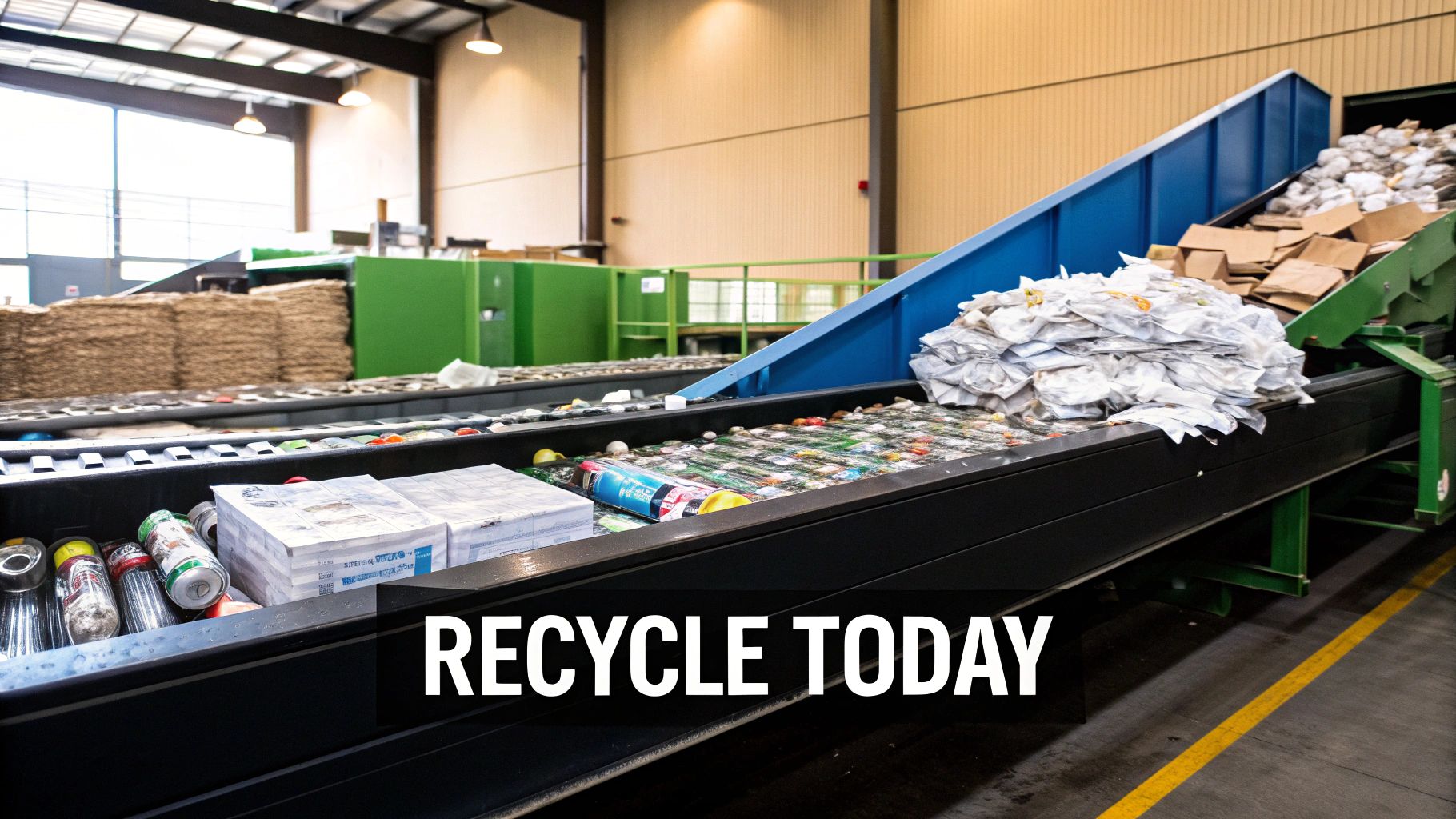
Dispatch to Recyclers: Now, the baled materials are no longer “waste” but a valuable raw commodity. The Clean Kerala Company or other authorised agencies buy these bales and sell them to recycling industries. It’s at this final stage that an old plastic bottle or newspaper is reborn as a new product.
This systematic flow ensures that what was once considered “trash” is reintroduced into the economy as a valuable resource, closing the loop and building a circular economy.
The logistics to make all this happen are immense. Kerala’s decentralised approach empowers local governments—from village-level Gram Panchayats to city-based Municipal Corporations—to manage this entire network. This local ownership has been the key to building out the needed infrastructure at an impressive pace.
For example, by early 2025, the number of Mini MCFs had exploded from 7,446 to 19,447. At the same time, the collection of user fees—the small amount households pay for the service—jumped from a modest 34.9% to a much healthier 72%. This shows a system that isn’t just growing but is also becoming financially sustainable on its own two feet.
The Powerhouse Agencies Driving Change
Kerala’s success in waste management isn’t some happy accident; it’s the direct result of a well-oiled machine powered by several dedicated organisations working in concert. Think of it as a finely tuned orchestra, where each section plays its part to create a harmonious, sustainable outcome. These are the agencies that provide the structure, the expertise, and the boots-on-the-ground muscle that turns the state’s green vision into a daily reality.
Each organisation has a very specific job, but they all fit together to manage the journey of waste from a household bin to a recovery centre. From crafting statewide policy to empowering local communities, these are the engines driving Kerala’s transformation.
The Suchithwa Mission: The Strategic Brains
Sitting at the top is the Suchithwa Mission, which serves as the state’s central think tank for all things sanitation and waste. They aren’t the ones collecting the trash day-to-day. Instead, they provide the crucial technical guidance, policy frameworks, and overarching strategy for the entire state.
You could call them the architects who design the blueprint for a clean Kerala. They’re the ones conducting research, developing best practices, and rolling out the large-scale awareness campaigns that have successfully driven home the “My Waste, My Responsibility” philosophy. Their work ensures every local body, big or small, has the knowledge and support it needs to make the decentralised model work.
The Clean Kerala Company: The Recycling Logistics Expert
Once all that non-biodegradable waste is collected and sorted, it has to go somewhere. It needs a clear path back into the economy, and this is where the Clean Kerala Company Ltd. comes in. This government-owned company is the master coordinator for processing and recycling, acting as the vital link between local collection points and industrial recyclers.
The company handles the massive logistical challenge of moving sorted materials like plastics, glass, and paper from Resource Recovery Facilities (RRFs) all across the state. They make sure these materials get to authorised recycling partners, turning what was once considered rubbish into valuable raw materials. In short, they are essential to closing the loop and making the circular economy a reality on the ground.
By creating a reliable system to buy and transport recyclables, the Clean Kerala Company provides the financial incentive that makes the entire collection and sorting process sustainable for local communities and the Haritha Karma Sena.
Kudumbashree and the Haritha Karma Sena: The Heartbeat on the Ground
Strategy and logistics are vital, but the whole system would fall apart without its frontline heroes. This is where the Kudumbashree Mission and its incredible Haritha Karma Sena (Green Action Force) come into play. Kudumbashree, one of the world’s largest women’s empowerment networks, provides the organisational backbone for this green army.
The Haritha Karma Sena members are the true face of waste management in Kerala. These dedicated entrepreneurs, mostly women, handle the critical door-to-door collection of non-biodegradable waste. But they are so much more than just collectors; they are educators, advocates, and the primary connection between households and the entire recycling system.
Here’s a glimpse into their multi-faceted role:
-
Systematic Collection: They operate on a planned schedule, collecting segregated dry waste directly from homes and businesses, ensuring no one is left out.
-
Primary Sorting: They often do the initial sorting at local Material Collection Facilities (MCFs), separating different plastics, paper, and glass.
-
Community Engagement: They take the time to teach residents how to segregate properly and explain why the small user fee is so important for sustaining their work.
This model is a brilliant example of how environmental goals can also drive social and economic progress. It provides dignified, sustainable livelihoods for thousands of women while keeping communities clean. The work of these green warriors is a powerful reminder that real change starts from the ground up, a principle that echoes broader national efforts. If this kind of community action inspires you, you can explore more ideas on how Clean Green India starts with us.
Together, these three organisations form a powerful trio, each absolutely essential to Kerala’s success. From high-level policy to hyper-local action, their coordinated efforts have built a system that isn’t just effective, but also equitable and genuinely empowering.
Real Success Stories From Local Communities
While policies and frameworks are the blueprint, the real proof of a system’s worth is seeing it work on the ground. The success of waste management in Kerala isn’t just in government reports or flowcharts; it’s in the tangible changes you can see and feel in its towns and cities. These communities are living, breathing examples that a decentralised, people-powered approach can truly succeed.
Let’s dive into two standout examples where local grit and clever thinking have created models that are now inspiring others across the state.
Alappuzha: The Venice of the East Goes Green
Alappuzha, a town famous for its tranquil backwaters, found itself drowning in a massive waste crisis. Its main dumpsite was overflowing, sparking widespread protests and becoming a serious public health emergency. With their backs against the wall, the municipality didn’t just look for a new place to dump rubbish—they completely rethought their approach, earning international praise from the United Nations in the process.
Instead of a new landfill, Alappuzha turned the problem on its head with a city-wide decentralised system. The idea was beautifully simple: manage organic waste right where it’s created.
This wasn’t just a slogan; it was put into action with a few key moves:
-
Aerobic Composting Bins: Thousands of homes received pipe compost units. This simple tech allowed families to turn their daily kitchen scraps directly into rich manure for their gardens.
-
Community Biogas Plants: For neighbourhoods where space was tight, community-level biogas plants were installed. These handled organic waste from multiple households, converting it into clean cooking gas for the community.
-
Strict Segregation: The Haritha Karma Sena was out in full force, ensuring that all non-biodegradable waste was meticulously collected and sent off to recycling centres.
The results were nothing short of incredible. In just a few years, Alappuzha almost completely stopped sending its organic waste to a central landfill. This slashed pollution, cut down on transport costs, and showed everyone how a crisis can be the perfect catalyst for groundbreaking environmental change.
Thiruvananthapuram: Tackling Modern Waste Challenges
While Alappuzha mastered organic waste, the state capital, Thiruvananthapuram, has become a pioneer in managing the trickier side of modern urban life: plastics and electronics. The Corporation quickly realised that a one-size-fits-all plan wouldn’t cut it for a bustling, growing city.
They rolled out a multi-pronged strategy that beefed up their collection and processing power. This meant setting up a robust network of Material Collection Facilities (MCFs) and Resource Recovery Facilities (RRFs) across the city to handle the sheer volume of dry waste.
Thiruvananthapuram’s model proves a vital point: as a city’s lifestyle changes, its waste management systems must evolve to handle new materials and greater complexity.
The city also launched specific campaigns for problem waste. Special collection drives for e-waste gave people a safe and responsible way to get rid of old phones and gadgets. For plastics, the focus shifted to meticulous sorting to squeeze out every last bit of value, turning plastic waste into granules used for building roads and other industrial applications. Sometimes, understanding your own impact starts at home; conducting a daily dustbin audit in India can be a real eye-opener.
By investing in specialised infrastructure and educating the public, Thiruvananthapuram has built a resilient system that can handle the diverse trash of a modern metropolis.
Key Features of Model Municipalities
These two case studies really highlight how adaptable Kerala’s waste management framework is. While both cities aim for a cleaner environment, their methods are tailored to their unique challenges. The table below breaks down their distinct approaches.
|
Feature |
Alappuzha Model |
Thiruvananthapuram Model |
|---|---|---|
|
Primary Focus |
Decentralised management of biodegradable waste |
Comprehensive handling of non-biodegradable and complex waste |
|
Key Strategy |
At-source composting and community biogas plants |
Extensive network of MCFs and RRFs with specialised sorting |
|
Main Outcome |
Near elimination of organic waste landfills |
Efficient recovery of plastics, e-waste, and other recyclables |
|
Core Principle |
Turning a liability (wet waste) into a local resource |
Building robust infrastructure to manage urban consumption |
From Alappuzha’s backwaters to Thiruvananthapuram’s busy streets, these stories show that when communities take ownership and solutions are designed for local needs, a cleaner future isn’t just a dream—it’s already taking shape.
Current Challenges and the Road Ahead
Despite its remarkable progress and internationally recognised successes, the journey of waste management in Kerala is far from over. The state’s decentralised model has achieved incredible results, but like any pioneering system, it’s now grappling with some tough, persistent challenges. Taking an honest look at these hurdles is key to figuring out the next steps for building a truly sustainable future.
The road ahead isn’t just about getting more people involved. It means tackling deep-rooted issues that demand serious technological upgrades, stricter enforcement, and a fresh commitment from everyone.
The Shadow of Legacy Dumpsites
One of the biggest environmental threats isn’t new—it’s buried in the past. Kerala is dotted with “legacy” dumpsites, old, unscientific landfills from before the current decentralised system was put in place. Think of them as toxic time bombs, packed with decades of unsegregated, mixed waste.
These sites are a serious problem. They leach harmful pollutants directly into the soil and groundwater, contaminating local water sources and entire ecosystems. Cleaning them up, a process called bioremediation, is a monumental task. It’s slow, incredibly expensive, and technically complex, placing a huge financial and logistical burden on local governments.
The Unyielding Battle Against Plastics
The Haritha Karma Sena does an amazing job collecting non-biodegradable waste, but the sheer amount of single-use plastic they face is overwhelming. A statewide ban on certain plastic items is in place, yet you still see it everywhere—from food packaging to everyday consumer goods. It’s a constant battle.
An in-depth audit from 2016-2021 revealed some critical gaps, like not having enough infrastructure and not fully using the processing facilities we already have. The state has 44 identified legacy waste dumps, many dangerously close to water bodies, which makes the environmental risk even worse. Even with the single-use plastic ban in effect since 2020, pollution continues to choke our coastlines and vital wetlands like Vembanad and Ashtamudi lakes. Frighteningly, recent studies have found microplastics in commonly eaten fish, turning this into a serious food safety concern. You can dig deeper into the challenges facing Kerala’s waste strategies in this detailed analysis.
The plastic problem illustrates a critical point: while collection is a key part of the solution, the ultimate goal must be to reduce plastic consumption at its source. Without this, even the most efficient system will struggle to keep up.
The Complexity of E-Waste and Hazardous Materials
As Kerala’s economy grows and people buy more modern gadgets, a new and more dangerous kind of trash is piling up: electronic waste (e-waste) and other hazardous materials like batteries, paints, and medical waste.
This stuff can’t just be tossed into a compost pit or a regular recycling bin. It’s full of toxic heavy metals—lead, mercury, and cadmium—that can cause severe health problems and environmental damage if not handled with extreme care.
-
E-Waste: Old phones, laptops, and chargers need to be taken apart by specialists who can safely extract valuable materials and neutralise the harmful bits.
-
Hazardous Household Waste: Things like expired medicines, used batteries, and chemical cleaners need their own secure collection points to keep them from contaminating the general waste stream.
Building a robust, statewide network to collect and process these complex materials is a critical next step. It will require a big investment in specialised facilities and a massive public education campaign to teach people why they can’t just mix these items in with their regular household trash.
Need for Better Data and Technology
Right now, a lot of the planning for waste management in Kerala is based on educated guesses about how much waste is being generated. To make the system smarter and more efficient, we desperately need better data. Having accurate, real-time numbers on waste volumes, what it’s made of, and collection rates would help local bodies plan better routes, use their resources wisely, and build the right infrastructure for the future.
This is where technology can make a real difference. Investing in digital tools to track waste from the moment it’s collected to its final destination would bring a whole new level of transparency and efficiency. At the same time, adopting more advanced processing technologies, like waste-to-energy plants that meet strict environmental standards, could finally offer a solution for all the non-recyclable waste that currently has nowhere to go. The road ahead for Kerala is all about refining an already successful model, closing the remaining gaps, and embracing innovation to create a system that isn’t just clean, but truly circular.
How You Can Play Your Part
Let’s be honest, the success of waste management in Kerala doesn’t just hinge on government policies or big industrial plants. It’s powered by the everyday choices made by millions of us. Ready to do your bit? It’s far simpler than you might think, and it all starts right in your own home. Every small action you take adds up, making the whole system stronger.
Your single most powerful contribution is proper waste segregation. This isn’t just a nice-to-do; it’s the very foundation that makes everything else work. Think of it like sorting your laundry – you wouldn’t throw whites and colours in together and hope for the best. The same logic applies to your rubbish. Keeping your wet and dry waste separate is the first, crucial step to ensuring both can be handled correctly.
Your Simple Segregation Guide
Getting this right is easy. All it really takes is a two-bin system in your kitchen.
-
Wet Waste Bin (Green): This is for anything that came from the earth and can go back to it. We’re talking vegetable peels, fruit scraps, leftover food, eggshells, and even clippings from your garden. This is the good stuff, destined for a compost pit or a biogas plant where it becomes a valuable resource again.
-
Dry Waste Bin (Blue/Other): This one is for everything else that’s non-biodegradable. Think plastic bottles, milk packets, paper, cardboard boxes, glass jars, and metal cans. These are the materials that will be collected for a second life through recycling.
By sorting from the get-go, you make the job of the Haritha Karma Sena infinitely easier and stop valuable recyclables from getting spoiled and ending up in a landfill.
Beyond the Bin: Reducing Waste at the Source
Of course, the best way to manage waste is to not create it in the first place. Taking a proactive approach eases the burden on the entire collection and recycling network.
The most powerful shift you can make is moving from a mindset of managing waste to one of preventing it. Every item you choose not to bring into your home is one less thing the system has to deal with.
Here are a few simple habits to build:
-
Always carry a reusable water bottle and coffee cup.
-
Keep a few cloth bags handy for shopping trips.
-
Just say no to plastic straws and single-use cutlery when eating out.
-
When you have a choice, pick products with minimal or easily recyclable packaging.
Supporting the System That Supports You
Once you’ve got your waste sorted, the next step is to connect with your local Haritha Karma Sena. They are your partners in this effort. Make sure your dry waste is clean and ready for them on collection day. Paying the small user fee is also essential—it’s not just a fee, it’s a direct investment in the livelihoods of these green–army members and helps cover the costs that keep the system running.
And what about tricky items like old batteries, CFL bulbs, or broken electronics? Never, ever toss them in with your regular rubbish. Your local municipality or the Clean Kerala Company periodically runs special collection drives for this hazardous waste. Keep an ear out for announcements so you can dispose of these items safely, protecting our soil and water from toxic contamination.
Your Questions, Answered
As you get more involved with Kerala’s waste management efforts, you’ll likely have some questions. Let’s tackle a few of the most common ones to help you understand your role in this impressive community-led system.
What Exactly Does the Haritha Karma Sena Do?
Think of the Haritha Karma Sena as the local ‘Green Action Force’ that truly drives Kerala’s recycling system forward. These are often dedicated women from the Kudumbashree network who handle the crucial door-to-door collection of non-biodegradable waste on a set schedule.
But their work goes far beyond just picking up bags. They’re the ones who meticulously sort the materials they collect, making sure plastics, glass, and other items get to the right processing facilities. They are much more than collectors; they are green entrepreneurs and the vital human connection in the state’s vision for a circular economy.
Why Is There a User Fee for Waste Collection?
That small user fee is what keeps the entire system running reliably. It’s the financial backbone that ensures the service is sustainable for the long haul. Most importantly, this contribution directly supports the livelihoods of the Haritha Karma Sena members serving your community.
This fee isn’t just a bill; it’s a direct investment in a cleaner, healthier neighbourhood. It covers the day-to-day costs of collection, sorting, and transport, allowing the service to remain professional and consistent for everyone.
By paying this fee, you’re making sure the people doing this essential work are compensated fairly and that the system has the resources it needs to function effectively, week after week.
How Do I Get Rid of Old Electronics Like Chargers?
Electronic waste, or e-waste, is a tricky one. Items like old chargers, dead batteries, and broken gadgets contain hazardous materials, so they must never be tossed into your regular household waste bins. Doing so can cause serious environmental damage.
The good news is there’s a proper way to handle it. Your local government bodies, in partnership with the Clean Kerala Company, hold special collection drives just for e-waste. Keep an eye out for announcements about designated drop-off points, which are often set up at government offices or other community spots. Using these official channels is the only way to ensure your old electronics are recycled safely and responsibly.
Are you a student passionate about environmental action? WriteToWin invites you to share your voice in India’s premier environmental article writing competition. Turn your ideas into powerful words and compete for a chance to win from a prize pool of ₹4,00,000. Join the movement and make your perspective count by submitting your article at https://writetowin.online.
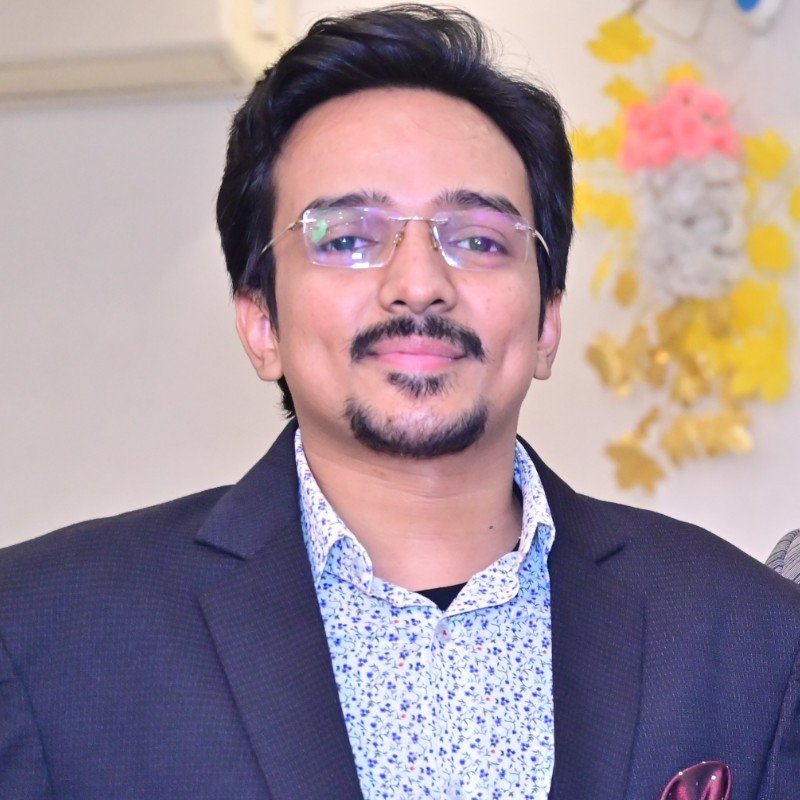
Saket Sambhav is the founder of WriteToWin, India’s premier environmental writing competition for school students. A legal professional and DBA candidate in sustainability, he launched WriteToWin to shift generational mindsets – empowering students to make conscious choices and protect the planet. He also mentors young eco-entrepreneurs, nurturing the next wave of climate leaders.