More carcasses, more dogs, more rabies
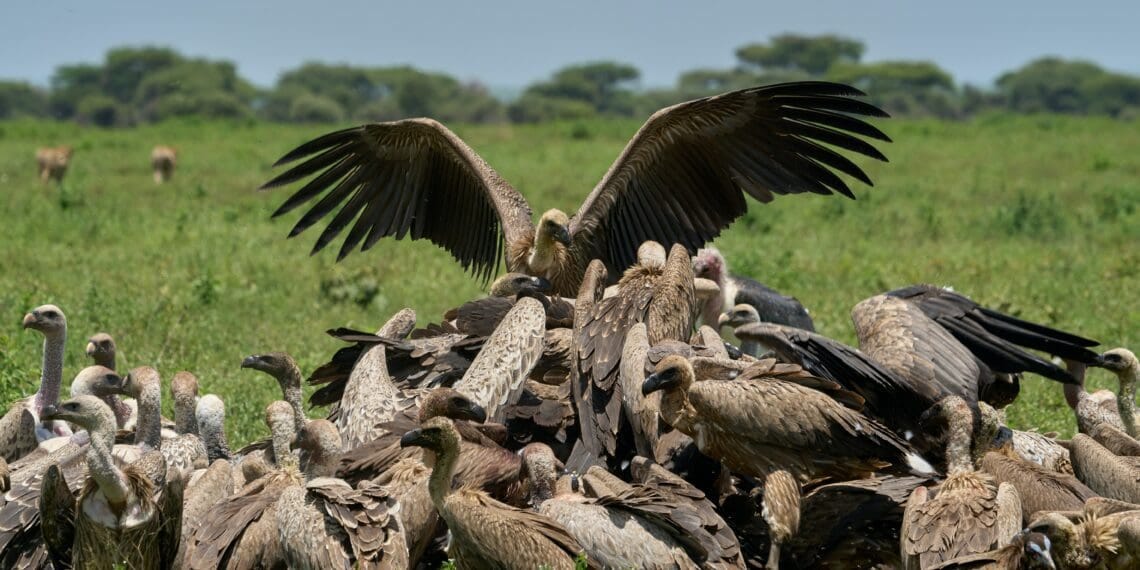
A cow dies in an open field. By evening, the air thickens. Flies settle first, then stray dogs, then the slow stink of rot.
Without vultures, death doesn’t leave quickly; it lingers, leaks, and spreads.
That is why these birds matter more than most of us were taught. They are nature’s cleaning crew, fast, efficient, and strangely humane in what they prevent.
When vultures disappear, the risk doesn’t stay in the wild. It moves towards villages, farms, and towns. India showed this with brutal clarity after diclofenac (Diclofenac Nearly Wiped Out India’s Vultures) helped empty the skies.
The lesson is local and global at once: when vultures fall, disease gets a wider door.
What vultures do that other scavengers cannot
Vultures don’t merely eat what is dead. They remove it before it becomes a public health problem.

A carcass that might sit for days can vanish in hours when vultures arrive in numbers. That speed matters because decay is a clock, and germs love extra time.
Unlike many scavengers, vultures can feed on flesh loaded with dangerous bacteria and come away unharmed.
Their stomach acid is powerful enough to break down pathogens that would sicken other animals. So while the bird looks grim, its work is deeply clean.
Built to eat danger, and stop it spreading
This is where vultures become more than a wildlife story. They are part of disease control.
Rotting carcasses can carry bacteria such as anthrax, botulism, and other harmful microbes. Yet vultures process much of that danger inside bodies built for filthy jobs.
A vulture is what public health looks like when it has feathers.
That’s why ecologists and health researchers now talk about them in the same breath as sanitation. Their role is not symbolic.
It is practical, daily, and easy to miss until it’s gone. A clear explanation of that chain can be found in this report on diclofenac and the rabies crisis.

When vultures vanish, carcasses attract a riskier crowd
Nature hates a vacuum, and a dead animal never stays lonely for long. When vultures vanish, dogs, rats, crows, and insects move in.
That shift matters because those species live closer to people and livestock. They also carry disease in ways vultures largely do not.
Stray dogs can spread rabies. Rats bring other infections into grain stores and homes. Flies move from carrion to food and water.
So the loss of vultures doesn’t leave a neutral gap. It creates a messier, riskier food chain, one that drags decay towards human settlements.
How the vulture crash in India turned into a public health warning
India offers one of the clearest examples of what happens when a key scavenger collapses.
In the 1990s, several vulture species began crashing at a speed that shocked scientists. In some populations, declines exceeded 99 per cent.
For years, the cause looked mysterious. Then the trail led to a common veterinary drug…
The drug that emptied the skies
Diclofenac, a painkiller given to cattle, turned deadly after the animal died. Vultures fed on treated carcasses and suffered kidney failure.
Even small residues could kill them. One poisoned carcass could wipe out many birds at once because vultures feed in groups.
India banned veterinary diclofenac in 2006, and neighbouring countries such as Nepal and Pakistan also acted.
Safer alternatives like meloxicam helped slow the damage. Still, recovery has been slow and patchy.
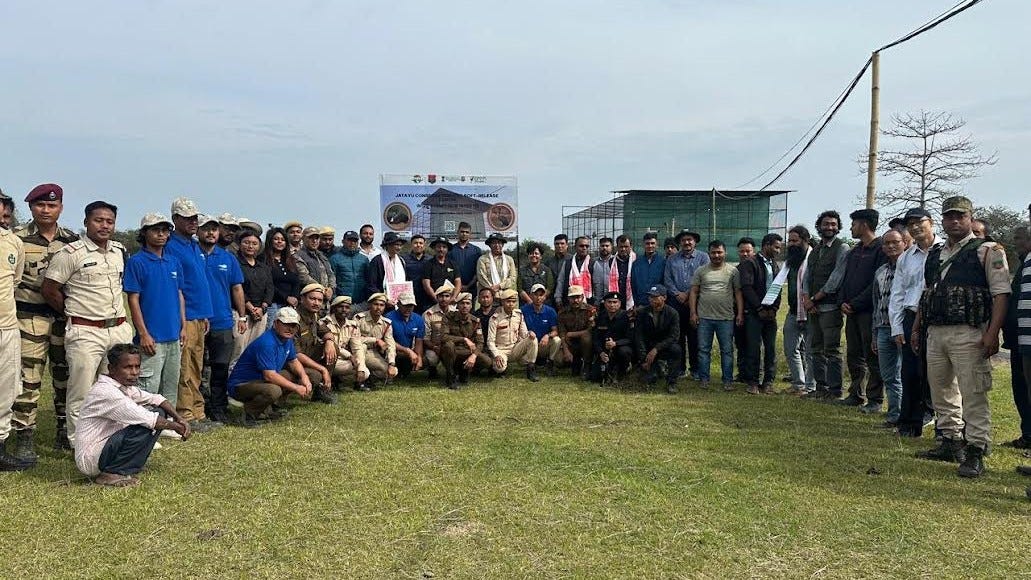
By early 2026, India has seen cautious gains in a few protected pockets, but many former nesting sites remain empty. Recent captive-bred releases in Assam show hope, not a finished rescue.
More stray dogs, more rabies, more danger for people
Once vultures declined, more carcasses stayed out in the open. That extra food supported larger feral dog populations in some areas. And because dogs are the main carriers of rabies in India, the public health cost grew.
A widely cited study linked the vulture collapse in India to roughly 500,000 extra human deaths over time, through rabies and related effects connected to the loss of carcass disposal.
That number should be handled carefully, because public health works through many overlapping causes. Even so, the pattern is hard to ignore. Both the University of Chicago’s summary of the research and BBC reporting on the same finding show how a bird decline became a human tragedy.
This problem is not only Indian. Across Africa, Asia, and parts of Europe, vultures still face poisoning, unsafe drugs, habitat loss, collisions with power lines, and food shortages.
The species change by region, but the warning stays the same.
Can vultures recover, and what needs to happen next
There is still time to pull this back, but sentiment alone won’t do it. Vultures need policy that works on the ground. That means strict enforcement of diclofenac bans, strong checks on livestock drugs, and rapid approval of vulture-safe options.
It also means breeding and release programmes, safer power infrastructure, and hard action against poisoning.
By March 2026, India’s recovery remains fragile. Some protected areas show progress, and a wider census is planned.
Yet more than 70 per cent of vulture species worldwide still face extinction risk, so the clock is still ticking.
The fixes that are already working in parts of the world
The good news is simple: some solutions already work. South Asia’s SAVE partnership pushed safer veterinary practice and coordinated recovery work.
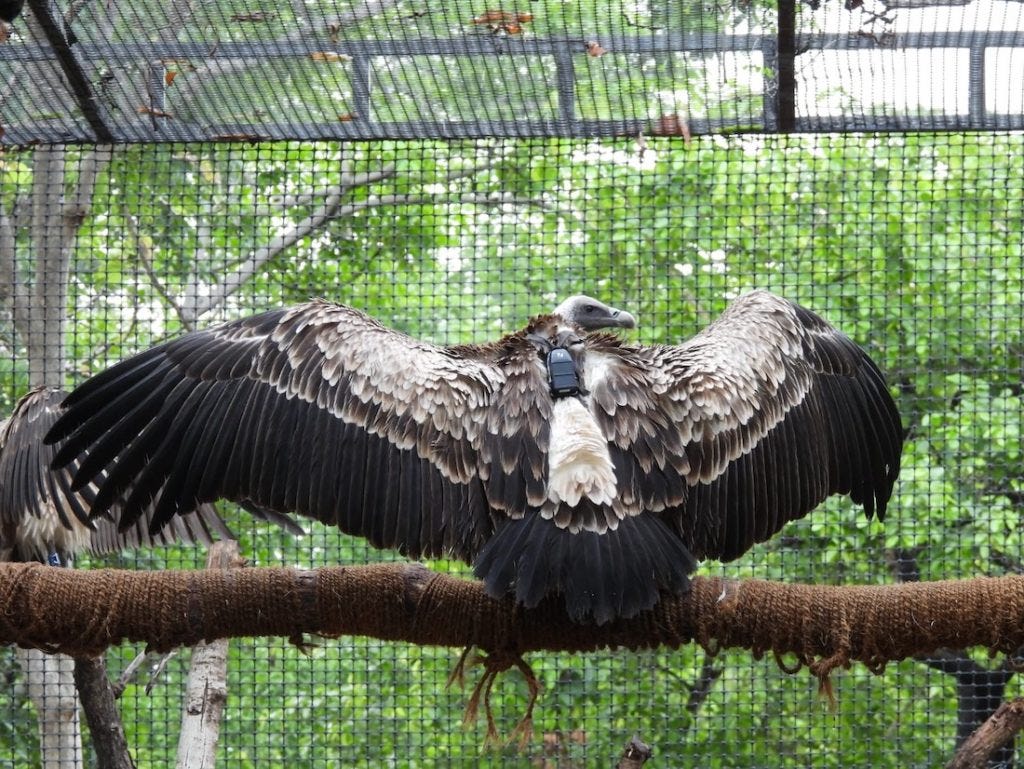
Breeding centres in India have kept critically endangered birds alive long enough to return some to the wild. Parts of Europe have also improved protection around nesting sites and feeding zones.
In Africa, anti-poison work is becoming more targeted.
Recovery starts when law, science, and local trust stop pulling in different directions.
Why saving vultures is really about saving human health too
Vultures are often framed as ugly birds with bad manners. That is our bias speaking, not biology.
In truth, they keep landscapes cleaner, slow disease spread, and reduce the chances that risky scavengers take over.
Saving them is not a side issue for bird lovers. It is part of how a society protects farms, wildlife, and people at the same time.
When we save vultures, we are not rescuing a symbol. We are protecting a service no city corporation could provide for free, every day, across entire regions.
TRUTH — without vultures, death overstays. Then it starts recruiting dogs, flies, germs, and fear.
That’s the heart of the story. Vulture conservation is public health protection. It deserves the same seriousness we give medicines, sanitation, and food safety.
Support science-based wildlife policy, safer veterinary drugs, and stronger enforcement.
If we want cleaner landscapes and fewer hidden disease risks, the sky needs its cleaners back.

Saket Sambhav is the founder of WriteToWin, India’s premier environmental writing competition for school students. A legal professional and DBA candidate in sustainability, he launched WriteToWin to shift generational mindsets – empowering students to make conscious choices and protect the planet. He also mentors young eco-entrepreneurs, nurturing the next wave of climate leaders.