Why It Could Break Food Systems Within Decades…!
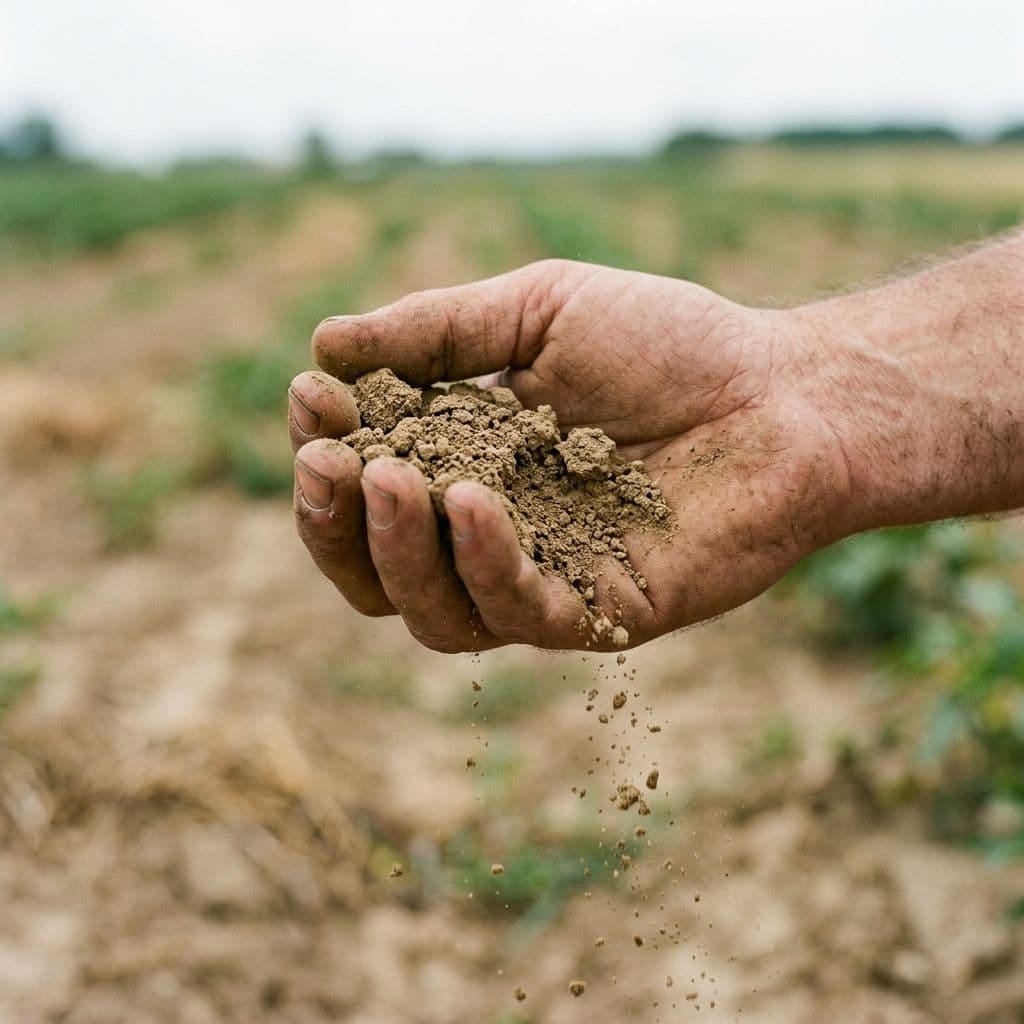
Hold a handful of soil. It looks ordinary. Brown, crumbly, harmless. Yet some soil feels tired, like bread left out too long. It still has shape, but it’s lost its softness.
Soil health is simple to explain: living soil has structure, organic matter, tiny organisms, and pores that hold air and water. It feeds plants steadily, not in a rush. It soaks up rain like a sponge, instead of letting it race away.
The stakes are huge. Around 95% of our food depends on healthy soil. Yet many assessments suggest 60 to 70% of soils are unhealthy overall, and degradation keeps spreading.
We’re not running out of land first, we’re running out of living, productive soil. That’s why the “decades away” warning matters, because food prices, nutrition, and stability follow the ground.
Why the soil crisis is called “silent”, and what is actually collapsing
Soil doesn’t fail like a machine. It fails like a body that’s been running on stress. For a while, you can force performance with more inputs. More fertiliser. More irrigation. More sprays.
The crop still comes up, so the damage stays off the balance sheet.
That’s why it’s called silent. The field can look green from the road, while the soil underneath turns thin and brittle. Globally, we lose about 24 billion tonnes of fertile soil every year.
That loss is not just dirt moving, it’s tomorrow’s harvest leaving the farm. Soil collapse isn’t a single event, it’s a slow removal of options.
The five slow failures happening under our feet
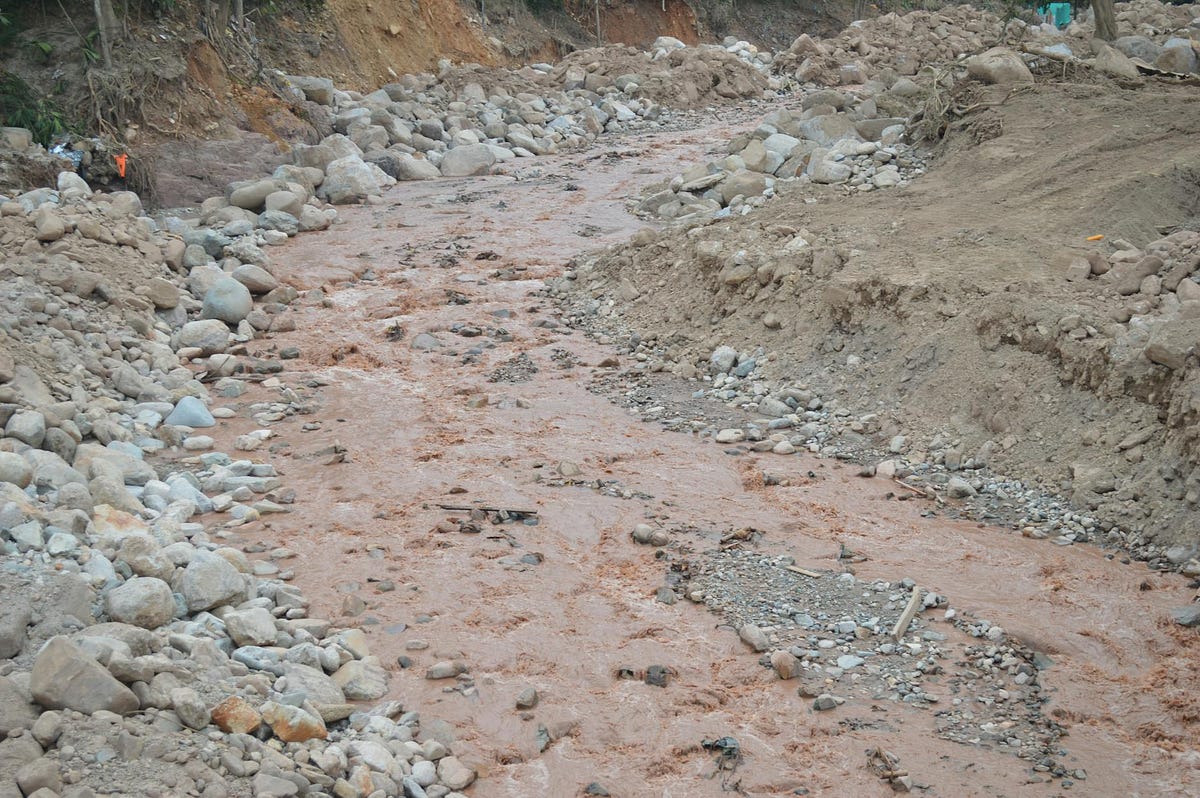
Erosion (soil washing or blowing away) strips the top layer first. That topsoil is where most roots, nutrients, and microbes live. After heavy rain, you see muddy runoff. In dry winds, you see dust.
Loss of soil organic carbon empties the pantry for soil life. Organic matter helps soil hold water and nutrients. Over roughly 25 years, the world has lost about 11 petagrams (11000000000000 Kgs) of soil organic carbon in the top 30 cm, weakening that sponge-like effect.
Compaction happens when heavy machines or repeated traffic press soil into a hard mass. Roots can’t breathe. Water can’t enter. Then you get puddles after rain and thirsty plants in heat.
Salinisation and alkalinisation build up salts, often from irrigation with poor drainage. One clue is a pale, crusty surface, like someone dusted the field with chalk. Seedlings struggle, even when you “did everything right”.
Pollution adds toxins, including heavy metals, that harm microbes and plant growth. Estimates suggest 14 to 17% of croplands face pollution risks, which means soil can grow food but not always safe food.
For a global snapshot of how quickly healthy land turns degraded, see the UNCCD drought and degradation factsheet.
How modern farming and climate change team up to speed it all up
Monocrops, frequent tilling, and low crop residue return can strip organic matter fast. Then soils rely on quick nutrients, not slow fertility. Over time, biodiversity drops, and pests find an easy home.
Climate change adds fuel. Hotter days dry soils out. Erratic rain arrives as bursts, so it runs off instead of soaking in. Floods lift topsoil like a loose rug. Drought cracks the ground, and wind takes what’s left.
Scientists warn that if trends continue, most land could be degraded by 2050. That’s not fate, it’s a direction of travel.
From where I write in India, the pattern is familiar. Intensive wheat-rice cycles, groundwater stress, and salinity in some irrigated zones show how food “success” can hide soil exhaustion, until it doesn’t.
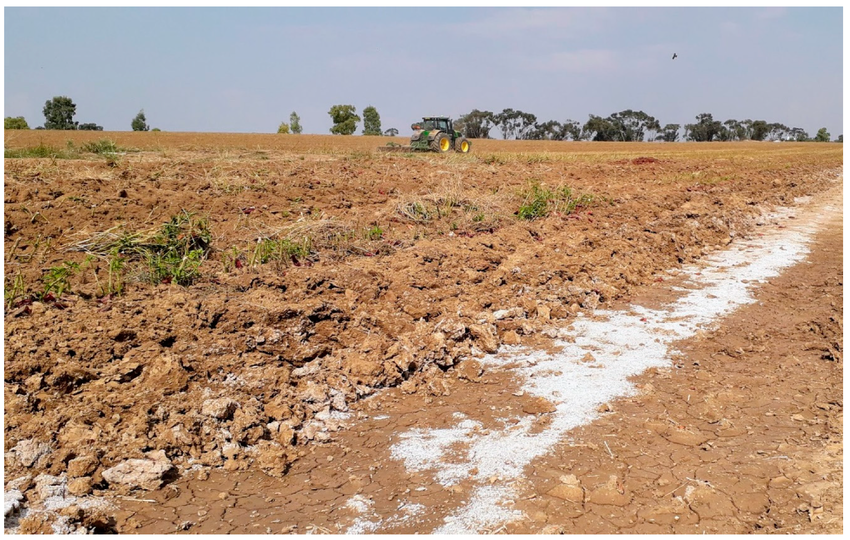
What soil collapse looks like in real life, from farms to city plates
Soil decline doesn’t stay on farms. It shows up in bills, taste, and shock. When soil loses structure, farmers pay more to get less, and everyone else feels the ripple.
In the US, price spikes often look like a logistics problem. Sometimes they are. Still, weak soils make supply chains jumpy, because yields swing harder with weather.
In India, a bad monsoon already shakes household budgets. Degraded soil makes that shake sharper.
The early warning signs farmers and gardeners notice first
The first sign is often more fertiliser for the same yield. The crop becomes an addict, not a partner. Next, soil turns into dust or hard clods, depending on the season. Either way, roots hate it.
Earthworms disappear. Water runs off instead of soaking in. Plants wilt faster on hot days, even with irrigation. Pest and disease pressure rises because stressed plants get sick easily.
These signs can appear while the field still “looks normal”. Satellites and roadside views catch green leaves, not weak roots. Soil collapse hides under success, like a cracked foundation covered by fresh paint.
Why this turns into higher food prices, weaker nutrition, and bigger shocks
Degraded land produces lower and less reliable yields. Farmers then spend more on inputs to chase stability, which raises costs across the chain. Meanwhile, droughts and floods hit harder because weak soils can’t buffer water swings.
One number should sit with us: about 1.7 billion people live in areas facing at least 10% lower crop yields due to land degradation. The FAO summarises that risk in its update on lower crop yields from land degradation.
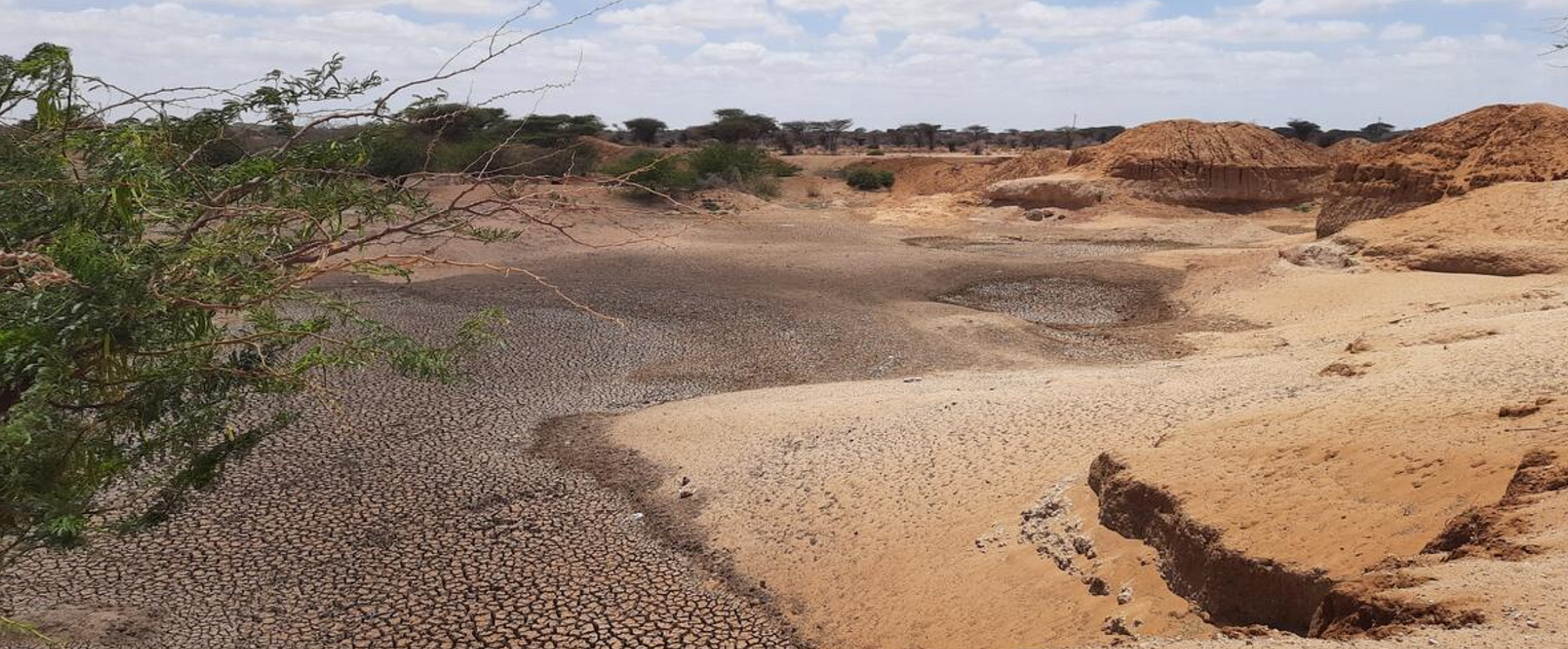
Nutrition also takes a hit. When staples get pricier, families shift to cheaper calories. That often means fewer fruits, pulses, and proteins. As a result, soil health becomes child health, without anyone saying the word “soil” at the dinner table.
How we stop the slide, and why rebuilding soil takes time we do not have
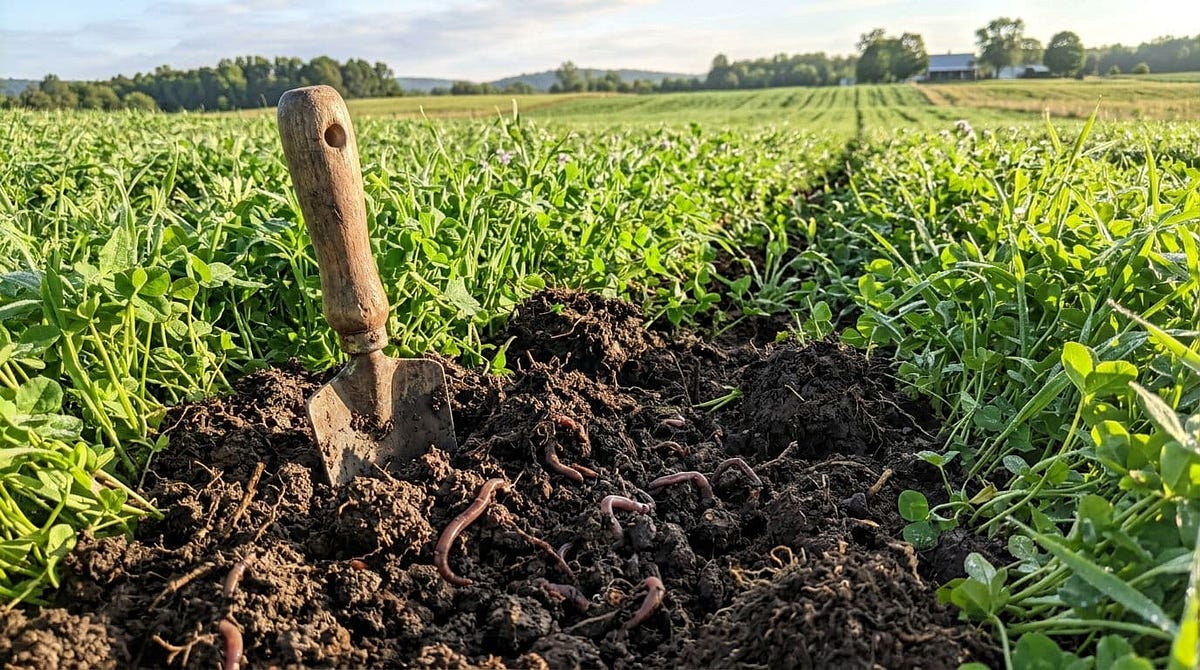
Soil can recover, but it doesn’t bounce back overnight. Biology rebuilds on its own timetable. Structure takes seasons to form. Carbon accumulates slowly.
That’s why prevention is cheaper than repair, and why we can’t wait for the problem to become obvious.
Think of soil like a savings account. You can withdraw for years and still feel fine. Then one day, the balance is gone.
If we treat soil like a mine, it will eventually behave like one: empty.
A simple “soil repair kit”: practices that rebuild life, carbon, and water holding
Start with cover. Keep soil shaded with mulch, crop residue, or cover crops, because bare ground is an invitation to erosion and heat stress.
Add organic matter where safe and suitable, such as compost or well-managed manure. This feeds microbes and improves water holding.
Many healthy agricultural soils aim for organic matter in the low single digits, although the right target depends on climate and soil type.
Bring back diversity through rotations, intercropping, and legumes. Different roots build different pores and support different microbes.
Reduce disturbance by limiting tillage where possible. Less tearing means more stable structure.
Manage water carefully. Avoid over-irrigation, improve drainage, and match watering to crop needs, because poor water management can drive salinity.
Where feasible, integrate trees and hedgerows as windbreaks and habitat. They slow wind, reduce erosion, and add biomass.
Evidence for rebuilding soil carbon under regenerative approaches is growing, including the research summarised in PNAS on restoring soil organic carbon.
What needs to change beyond the farm: incentives, measurement, and smarter diets
Farmers can’t carry this alone. Policy and markets should reward soil outcomes, not only tonnes of grain. Transition years need support, because yields can wobble while biology returns.
We also need basic measurement that doesn’t feel like a punishment. Regular tests for organic carbon, pH, and salinity help track progress and catch trouble early.
Finally, consumption matters. Less food waste reduces pressure to overproduce. More diverse staples can reduce dependence on a few soil-draining systems.
India’s smallholders and the American Midwest don’t share the same fields. Still, the principles travel: keep soil covered, keep it fed, keep it varied, and stop forcing it to sprint every season.
Conclusion
Soil collapse is quiet, widespread, and already shaping yields and resilience. It’s one of the clearest reasons we could lose reliable food production within decades, even without “running out of land”.
The good news is that soil can heal, but only if we stop treating it like a disposable surface.
Notice the signs, in gardens and on farms. Support food grown with soil in mind, not just speed in mind. Push for policies that pay for long-term soil health, because every meal begins in living soil.

Saket Sambhav is the founder of WriteToWin, India’s premier environmental writing competition for school students. A legal professional and DBA candidate in sustainability, he launched WriteToWin to shift generational mindsets – empowering students to make conscious choices and protect the planet. He also mentors young eco-entrepreneurs, nurturing the next wave of climate leaders.