How Construction Addiction Is Stripping Ecosystems Bare
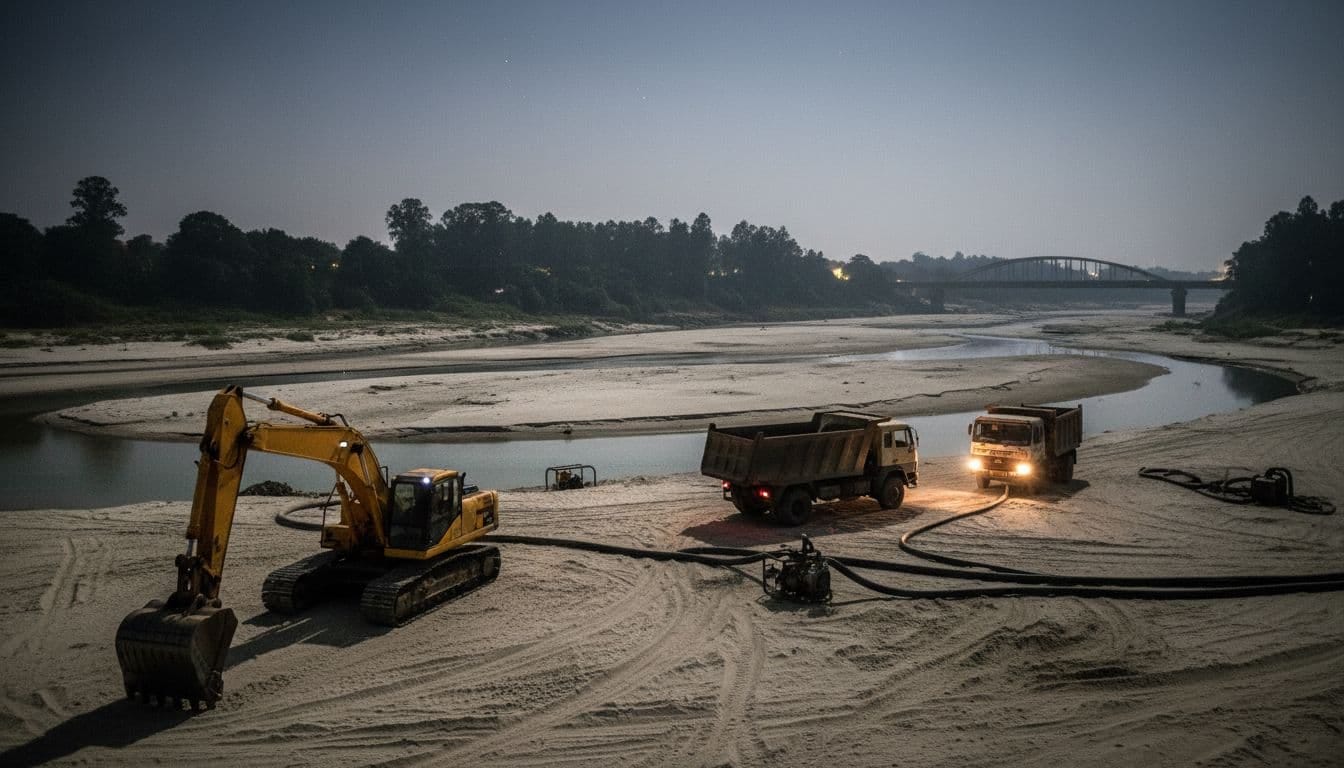
At night, a river can sound like a worksite. Pumps thrum. Truck engines cough. Headlights sweep across a riverbed that, by morning, looks less like nature and more like a cratered road.
In plain terms, the “Sand Mafia” refers to organised illegal sand mining networks. They extract river sand without permission, or beyond what permits allow. They often survive through bribery, threats, and a clever ability to vanish into paperwork.
Why sand?
Because modern building runs on it. Concrete, glass, roads, tiles, plaster, even the land that gets reclaimed from water, all depend on sand.
Rivers are the easiest places to take it from, because the grains are the right kind and the transport is simple. The result is brutal: our hunger for construction drains rivers of life, and the damage doesn’t stay local. It rolls downstream to farms, cities, and coasts.
Why the world cannot stop eating sand (and why rivers pay the price)
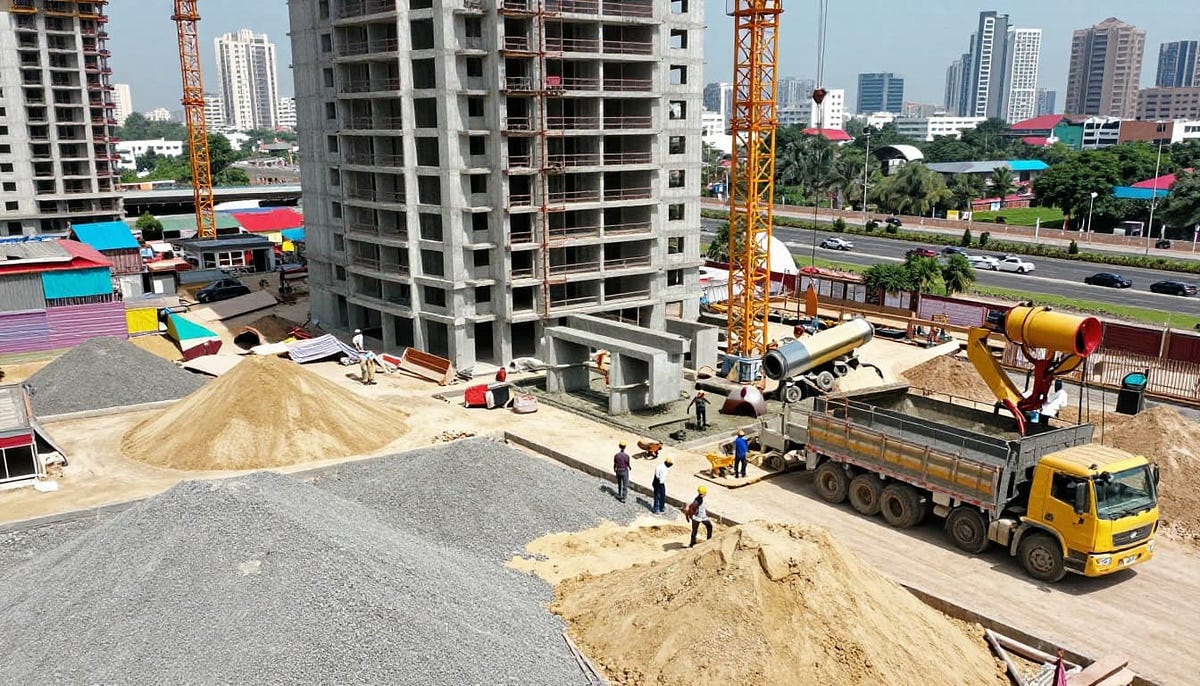
Cities grow because people need homes, schools, hospitals, and jobs. Governments also build roads and flyovers to keep economies moving. In India, you can see it in every new ring road and metro extension.
In the US, it shows up in highway rebuilds, suburban sprawl, and storm-resilient upgrades. The story is global, even if the sand is local.
Here’s the problem: we treat sand like it’s endless. It isn’t.
Rivers replenish sand slowly, grain by grain, season by season. Yet the construction timeline runs on deadlines, not on geology. So the river becomes a bank account that everyone withdraws from, and few ever deposit into.
Sand is not just sand, it is the hidden ingredient in cities
Sand sits inside the most ordinary things. Concrete is cement plus sand plus gravel plus water. Mortar holds bricks together. Plaster smooths walls. Glass begins with sand. Asphalt roads need sand-sized aggregates. Even land reclamation often relies on vast volumes of sand fill.
Think of a flat in a growing city, a flyover that cuts commute time, or a new school building with bright corridors. Each one quietly consumes mountains of sand. A single large building can use thousands of tonnes across foundations, columns, and slabs.
Not all sand works. Desert sand grains are often too rounded and polished by wind, so they don’t “lock” well in concrete. River sand tends to have sharper edges and a mix of grain sizes, which helps concrete hold together. That simple difference pushes demand towards riverbeds.
A river’s sand isn’t spare change. It’s part of the river’s skeleton.
For a global snapshot of how this demand turns into environmental harm, see the report on sand mining destroying rivers.
What “sand mining” looks like on the ground, legal by day and illegal by night
Legal sand mining can look tidy on paper: a designated stretch, a quota, a season, and a permit. On the ground, it often looks like dredgers scooping the bed, pumps sucking slurry, and fleets of trucks hauling loads away.
Monitoring is hard because rivers are long, remote, and change shape. Night operations exploit low staffing and poor lighting. Fake permits travel with trucks. Loads get under-reported at weighbridges, or diverted to side roads.
In many places, legal extraction and illegal extraction blend into one muddy supply.
Organised groups thrive in that confusion. They don’t need to control the whole river. They just need access points, transport routes, and local influence.
The Sand Mafia playbook: how rivers get stripped, and communities get silenced
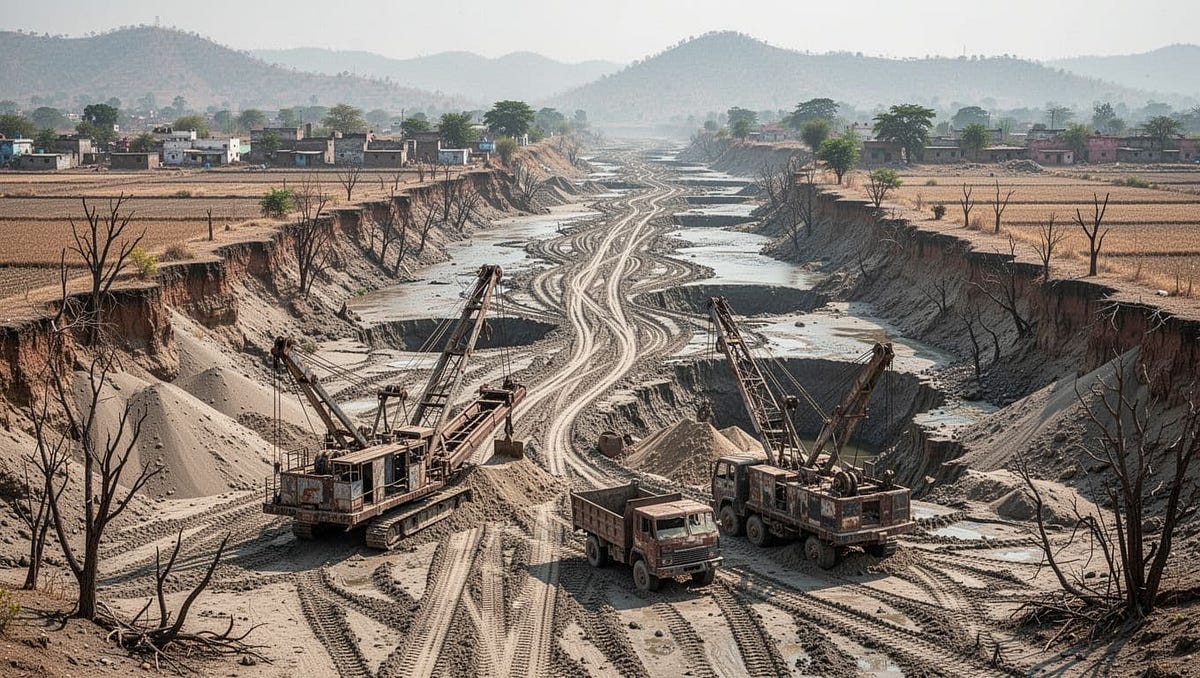
The phrase “Sand Mafia” can sound cinematic. The reality is more boring, and that’s why it’s dangerous. It’s a system that rewards speed, cash flow, and silence.
India has become a key example because construction demand is enormous, and enforcement capacity varies widely across states. Still, similar patterns appear in parts of South East Asia, sections of Africa, and across Latin America, wherever governance is stretched and building booms.
A supply chain built on speed, cash, and weak enforcement
The supply chain is simple. Sand is taken from a riverbed. Middlemen arrange trucking. Loads move to stockyards or straight to construction sites.
Money changes hands quickly, often in cash, because cash doesn’t leave clean trails.
Loopholes creep in at every step:
- Permits can be forged, reused, or issued with generous “adjustments”.
- Local checks can be avoided through tips, relationships, or payoffs.
- “Legal” sand can be mixed with illegal sand in the same yard, making it hard to trace.
Local governments may also feel trapped. Construction creates jobs, and local revenue pressures are real. Political funding can muddy the water too.
When growth becomes the only measure of success, rivers become collateral.
A detailed media look at this power structure appears in Le Monde’s reporting on India’s sand mafias.
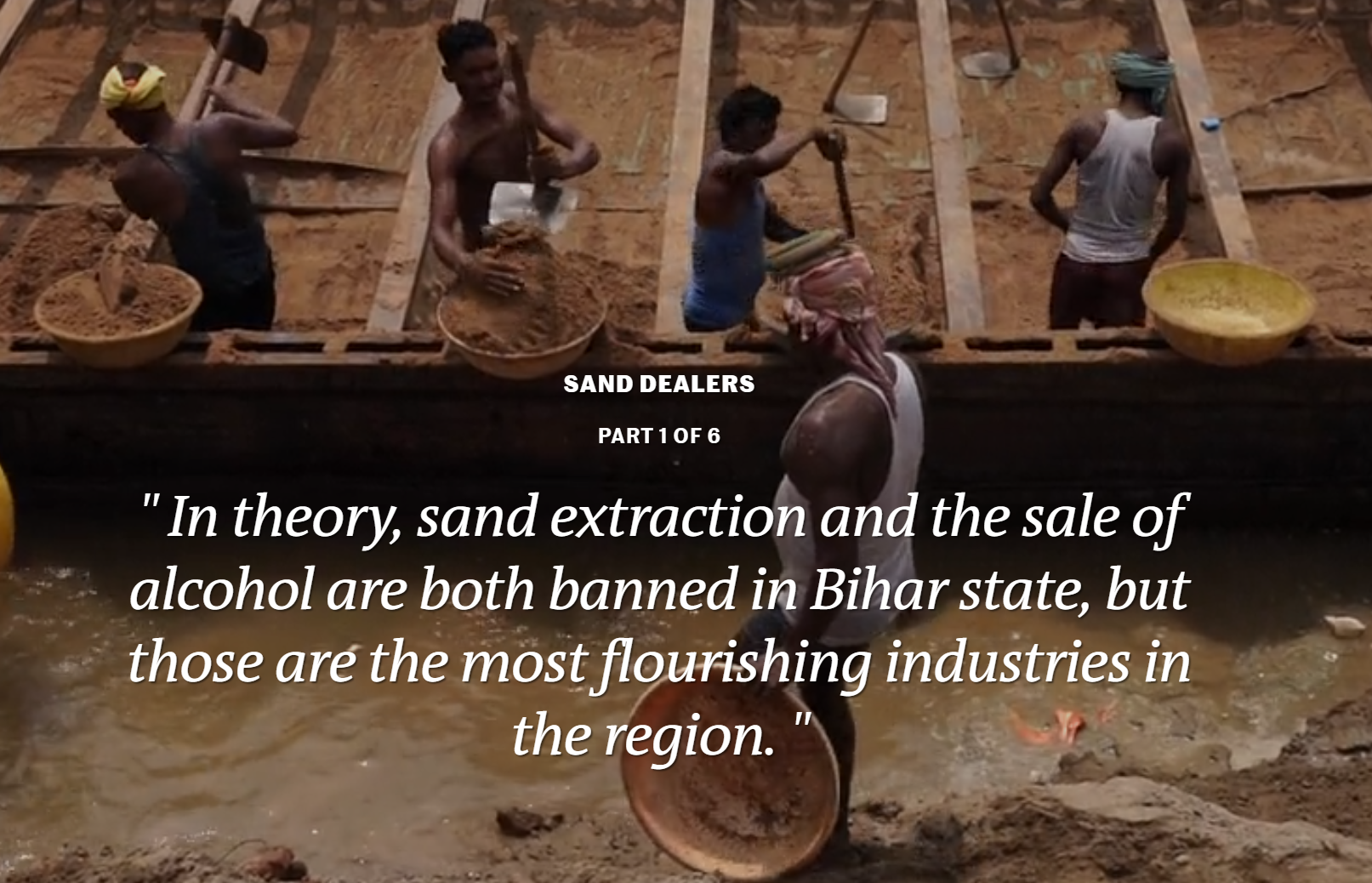
When people fight back: threats to fishers, farmers, journalists, and officials
The highest risks fall on those closest to the river. Fishers notice shrinking pools and fewer catches. Farmers watch banks crumble into fields.
Boat operators lose safe channels. Sand labourers work dangerous shifts with little protection.
Resistance can trigger intimidation. Some face assaults. Others get dragged into legal harassment or false cases. Journalists and local officials who try to document or enforce rules can also become targets.
This is why sand mining isn’t only an environmental issue. It’s a governance and safety issue.
A river can’t speak in court, so people who do speak end up paying the price.
When a basic building material needs violence to stay cheap, the real cost is already overdue.
The death of a river is a chain reaction, not a single event
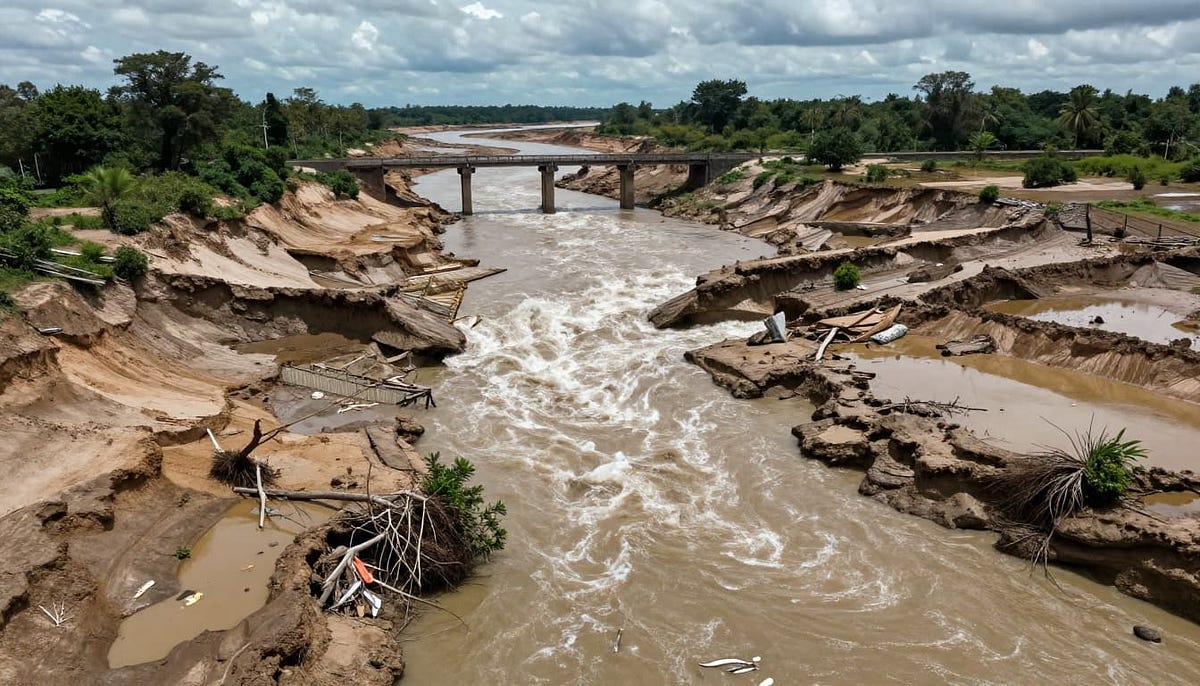
People often imagine river damage as a single disaster, like a fish kill or a flood. Sand mining works differently. It sets off a chain reaction.
The river loses its shape first. Then it loses its stability. Finally, it loses its ability to support life and livelihoods.
How removing sand breaks a river’s basic structure
A healthy river isn’t just water moving downhill. The bed and banks shape the flow. Sand and gravel form bars, pools, and shallow riffles.
These create slow zones where fish feed, insects breed, and plants take root. They also help recharge groundwater.
When miners remove sand, the channel can deepen. Water then moves faster, and it cuts into banks like a knife. As a result, farmland can collapse into the river.
Trees topple. Bridges and pipelines may become exposed as the bed drops around them. Wells near the river can dry because the water table falls.
Wildlife takes a hit too. Fish lose spawning areas. Turtles lose nesting banks. River dolphins and other species that depend on certain depths and flows lose habitat.
Even when water still runs, the river can become a simplified trench, alive in name only.
The damage travels downstream, from flood risk to vanishing beaches
Sediment is the river’s promise to the coast. Deltas, beaches, and mangroves survive because rivers deliver sand and silt. When upstream mining removes that material, the downstream areas start to shrink.
Less sediment can mean weaker deltas and eroding shorelines. Saltwater can push further inland, especially during dry seasons. Wetlands and mangroves struggle to keep pace with rising seas because they need new sediment to build soil.
This isn’t abstract. India’s big river basins feed densely populated deltas, where farming, fishing, and ports depend on stable land. When the sediment budget breaks, flood peaks can rise and water treatment gets harder because disturbed beds increase turbidity.

For India-based reporting on how extraction reshapes riverbeds and water quality, read India Water Portal’s overview.
Conclusion: rivers are infrastructure too, and they keep us ALIVE
If sand theft is the symptom, then the disease is a growth model that treats rivers as quarries. The fix has to work at system level.
Governments can tighten tracking through e-permits, GPS on trucks, and public dashboards that show who mined what, where, and when. Enforcement also needs protection for whistleblowers and honest officials, because fear is part of the supply chain.
Demand-side change matters just as much. Cities can expand recycled construction waste, adopt manufactured sand where it fits, and design buildings that use less concrete without sacrificing safety.
Public procurement should require traceable, verified sand, not vague invoices.
As citizens, we can ask a simple question on local projects: where did the sand come from? Support river protection groups.
Push planners to build with circular materials. Above all, treat rivers as living systems, NOT raw material stores.

Saket Sambhav is the founder of WriteToWin, India’s premier environmental writing competition for school students. A legal professional and DBA candidate in sustainability, he launched WriteToWin to shift generational mindsets – empowering students to make conscious choices and protect the planet. He also mentors young eco-entrepreneurs, nurturing the next wave of climate leaders.