Before We Build a Mega City on Great Nicobar, Answer One Question: Who Gets Erased?
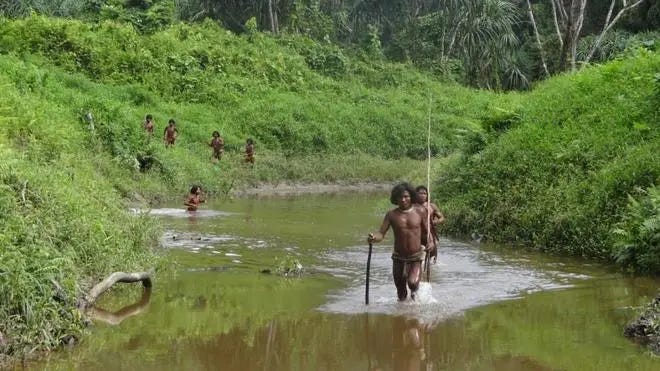
Great Nicobar is not “unused land” waiting for a masterplan. It’s a living rainforest, a coastline where leatherback turtles nest, and a home shaped by Indigenous memory and survival.
Yet India’s proposed Great Nicobar mega project imagines something else, a transhipment port, an international airport, a new township for hundreds of thousands of settlers, and a power plant to keep it all running.
This post breaks down what’s planned, what it could erase, and why the loudest alarm isn’t only about trees. It’s about people being turned into an afterthought in their own home.
/media/5a2e07d7a3f6a491a1c2527da5b30428Watch this eye-opening video by The New Minute
Why Great Nicobar matters before any “development” begins
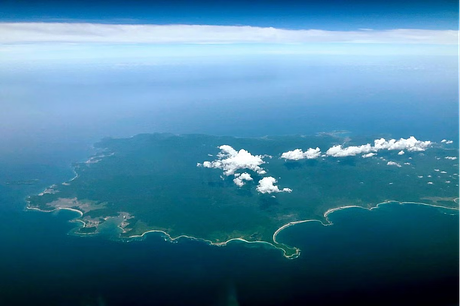
Great Nicobar sits at India’s southern edge, roughly 900 square kilometres of thick tropical forest and coastline. Fewer than 10,000 people live on the island. That low number matters because it explains the scale mismatch, a small place being asked to hold a mega city.
The island is also recognised for its ecological value. It is part of UNESCO’s Man and the Biosphere network, listed as the Great Nicobar Biosphere Reserve. That title isn’t a trophy, it’s a warning label. It signals high biodiversity, sensitive habitats, and the need for restraint.
Then there are the communities. Great Nicobar is home to two of India’s most vulnerable Indigenous groups, the Shompen and the Nicobarese. For them, the forest is not a “resource”. It is identity, food, safety, and social order.
A useful way to picture Great Nicobar is as a tightly woven cloth. Pull one thread, a port, a runway, a township, and the weave doesn’t stay neat. It frays, fast, and not in ways a compensation cheque can mend.
What’s planned at Galathea Bay, and why the scale shocks the island
The official pitch talks about “world-class port infrastructure” and economic activity. The plan, as described on the ground, is a bundle of big builds clustered together on Great Nicobar’s east and south-east coast, around Galathea Bay (an area that, until recently, had protected status as a wildlife sanctuary).
Here’s what’s proposed:
- A transshipment port at Galathea Bay, projected to handle up to 16 million containers a year.
- An international airport next to the port, including a 3.5 kilometre runway, long enough for the largest commercial aircraft.
- A sprawling township planned for about 3.5 lakh settlers, spread over a vast area (around 150 square kilometres is cited).
- A fuel-based power plant to keep the port, airport, and township running.
On paper, each piece looks like an “infrastructure component”. In real life, it becomes a new gravity.
Roads, workers, security systems, extraction, housing, waste, and constant movement follow. An island that currently holds scattered lives and fragile ecosystems gets asked to behave like a mainland industrial zone.
A port doesn’t arrive alone. It brings a city’s appetite, for land, labour, and control.
Forest loss is not a side effect here, it’s the main ingredient
The port footprint alone is described as replacing more than six square kilometres of untouched tropical evergreen and littoral forest. Then comes the airport, with over 300 hectares of forest clearing for the runway.
Then the township, with about 100 square kilometres of rainforest cut away to make room. Then the power plant, which could take nearly 10 square kilometres more, with claims of 2 to 3 million trees wiped out in that segment.
One of the most contested details is the number of trees that could be lost. The Ministry of Environment, Forest and Climate Change estimate cited is under 10 lakh trees.
Ecologists argue the number is misleading because Great Nicobar’s evergreen forests can be far denser, often 500 to 900 trees per hectare. Multiply that across about 13,000 hectares marked for diversion, and the loss could be several times higher, anywhere between 60 lakh to 1.2 crore trees.
This quick table shows why the debate isn’t academic. It changes the moral and ecological weight of the decision.
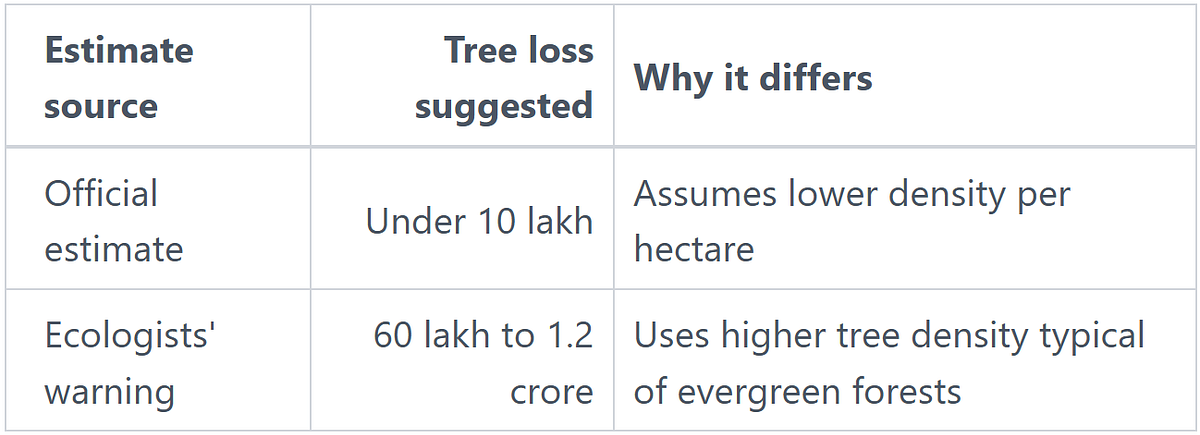
The key takeaway is simple: if the forest count is wrong, then every clearance that follows rests on sand.
For more reporting on consultation gaps around the project, see Down To Earth’s report on the social impact assessment concerns.
Nicobarese voices: after the tsunami, “relief” became a long exile
For many Nicobarese families, 2004 is not history. It is a wound. After the 26 Dec tsunami, many were moved from the west coast to Campbell Bay. What was sold as temporary relief became long-term displacement, with families pushed into colonies that did not fit their way of life.
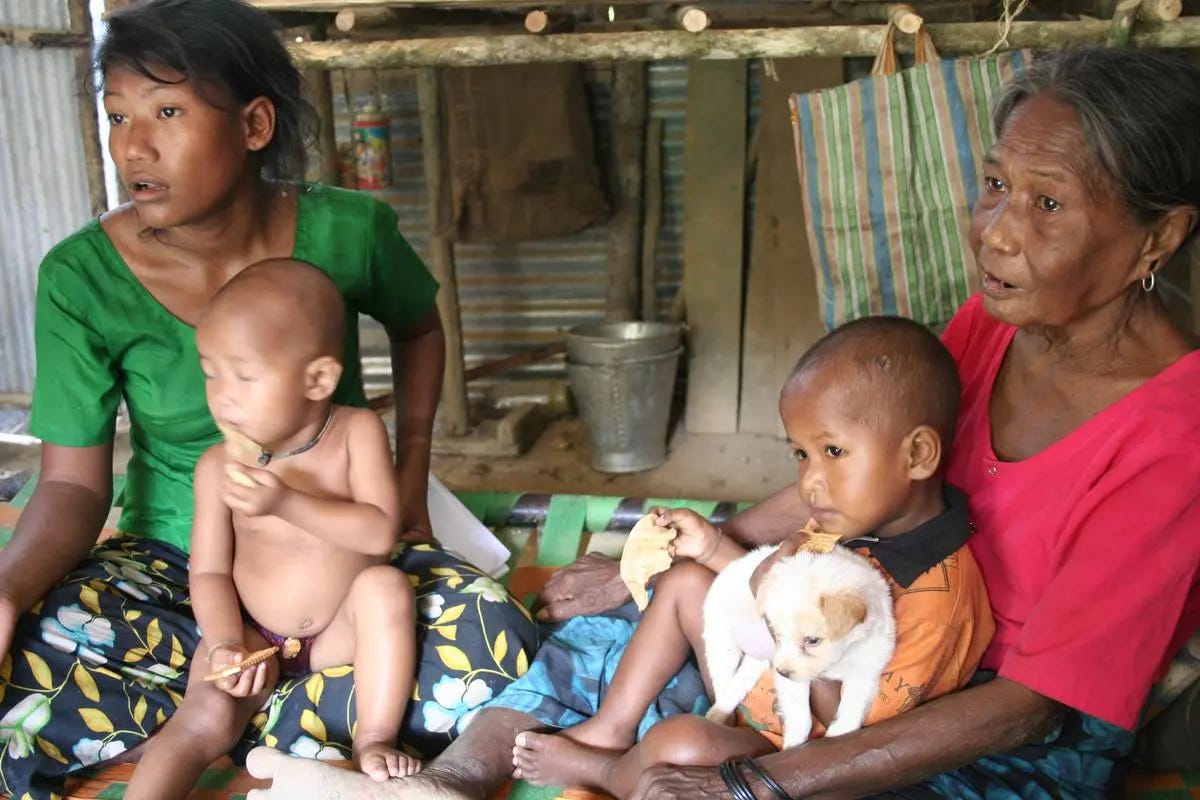
Now the mega project risks swallowing lands they once lived on. Islanders speak of villages like Lava, Puloba, and Kokiyo being pulled into the project map, or re-labelled as future resort and infrastructure zones. With that comes fear of check posts, surveillance, and a quiet loss of free movement.
The word that repeats is not compensation. It is freedom.
People also describe a shift from self-reliance to cash dependence. They once fished, gathered, farmed, and made things like coconut oil. Now many have to buy what they once sourced. When autonomy shrinks, dependency grows.
Schooling adds another loss. Some parents say children drift from their mother tongue, while discrimination shows up in small, persistent ways. Women describe a sharper squeeze too: what felt safe and normal in village life can turn into judgement and scrutiny after relocation.
“We used to feel free,” one voice says. “Now we don’t.” It is not poetry. It is a diagnosis.
The Shompen and the sacred interior
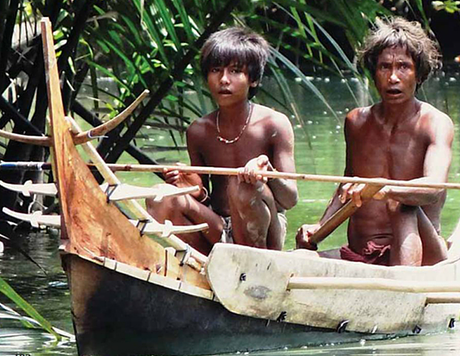
Calling the Shompen “semi-isolated” misses the point. Distance is also protection. It reduces disease risk, limits interference, and keeps a culture alive.
Shompen life is seasonal and mobile. Small hamlets shift with forest rhythms. Families gather fruit and honey, fish in streams, hunt, and grow small gardens. Even officials admit a basic problem: Shompen locations are not neatly mapped, because the community moves.
Streams, often described as Ruahi, are more than water. They carry lineage, memory, and social ties. That is why the project’s roads, township, and airport matter beyond land area. They slice through interiors, streams, and slopes that the Shompen have long treated as off-limits to outsiders.
The risk is not only displacement. It is forced absorption. Once the forest opens up, food webs break, people move, and conflict follows.
(Background: https://www.survivalinternational.org/peoples/shompen)
A mega city in a seismic zone
Great Nicobar sits in a highly seismic region. The 2004 tsunami flooded homes, shifted coastlines, and permanently changed parts of the island. That memory raises a blunt question: what happens when heavy port infrastructure sits on a coast that can move?
Clearances were granted in November 2022, but critics say the long-term ecological, social, and seismic risks are being treated like footnotes.
Two things can be true. Settlers deserve basic services. Indigenous communities deserve land, dignity, and survival. Solving neglect by creating a bigger injustice is not progress.
When “protection” becomes theatre
India has laws meant to protect Indigenous groups, but island history shows how welfare can become control, and “inclusion” can become spectacle. The warning from other Andaman histories is simple: a state can destroy a people while claiming it helped them.
The choice is not “development vs environment”. It’s ethics
A port, airport, township, and power plant do not just change a skyline. They change power, access, safety, and identity. If a mega city rises next door, the Shompen and Nicobarese will not remain the same people.
When someone says “only a few trees”, remember the real point: a forest is a home, and a home is not replaceable.
Saket Sambhav is the founder of WriteToWin, India’s premier environmental writing competition for school students. A legal professional and DBA candidate in sustainability, he launched WriteToWin to shift generational mindsets – empowering students to make conscious choices and protect the planet. He also mentors young eco-entrepreneurs, nurturing the next wave of climate leaders.