
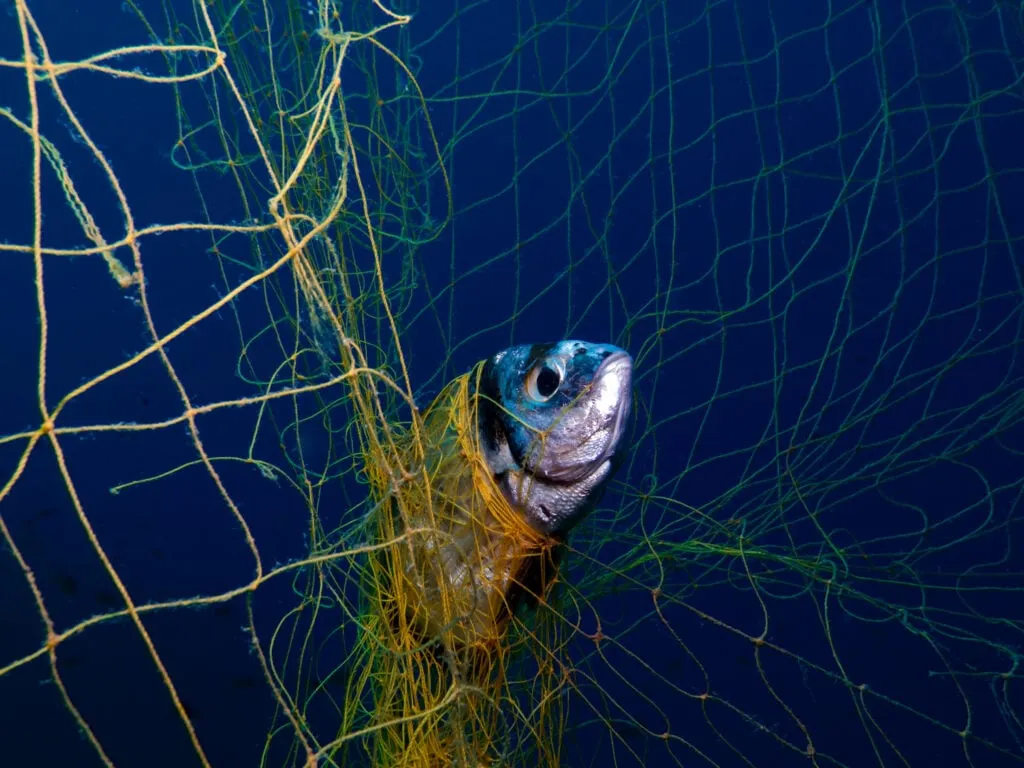
Picture a net drifting in green-blue water. From a distance it looks like seaweed, soft and harmless. Up close, it’s a snagged curtain, tightening with every tide. A turtle panics, a fish darts, a seabird dives, and the net keeps waiting.
That net is ghost gear, fishing nets, lines, and traps that are lost or dumped, then left unmanaged at sea. It matters now because it doesn’t stop working. It keeps killing for years, often out of sight, and it travels across borders like a silent stowaway.
Estimates vary, but a meaningful share of marine plastic comes from fishing gear, often placed around 10 percent globally, and higher in some places.
Let’s name the harm clearly, then talk about why it happens, and what’s already working.
What ghost nets do to sea life, food chains, and coastal livelihoods
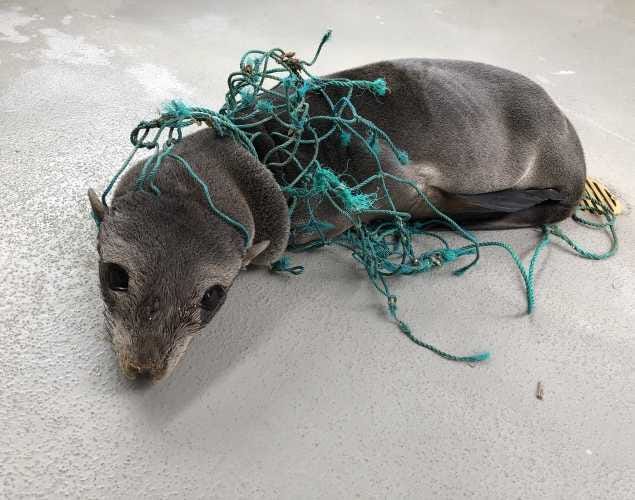
Ghost gear is not just litter. It’s an active threat, more like an unattended trap than a floating bottle. Because it’s designed to catch, it keeps catching.
Silent traps, slow deaths: how animals get caught and why it lasts so long
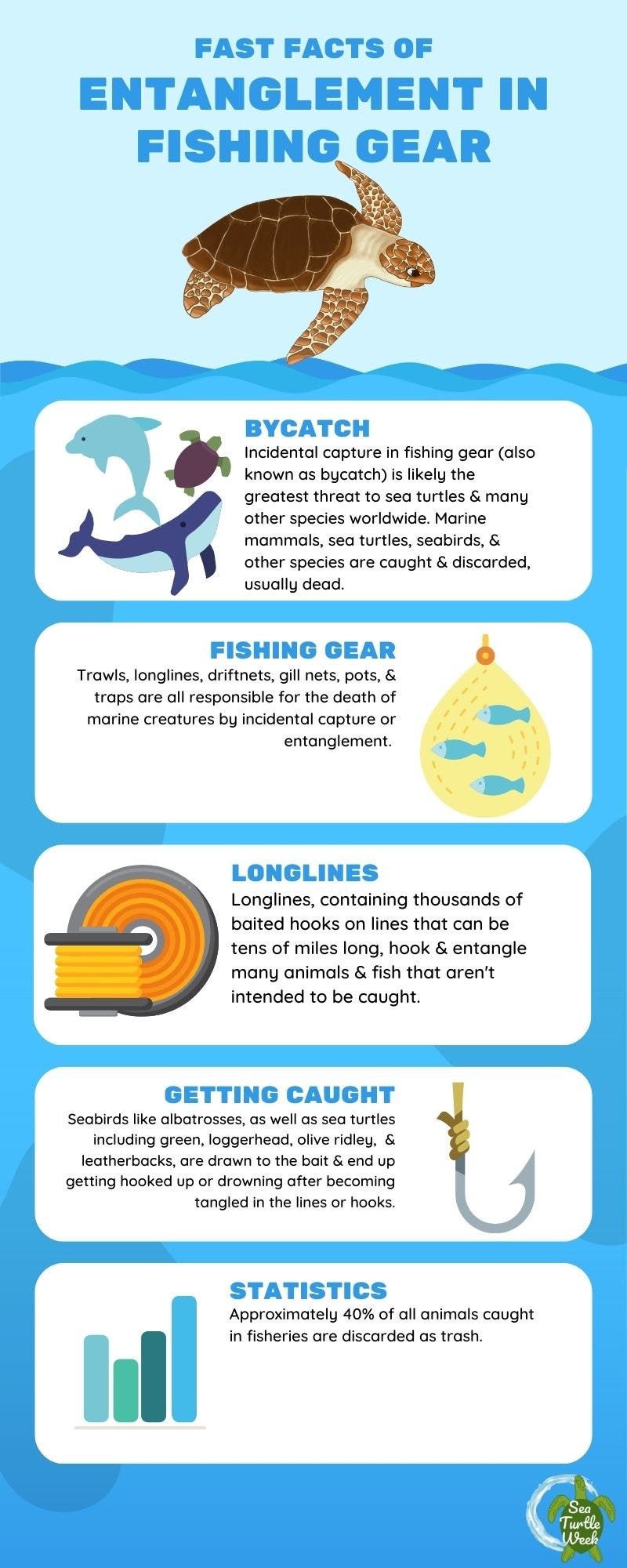
Entanglement is usually simple, and that’s what makes it brutal.
First, an animal brushes against a loose loop. Next, panic does the tightening. Then exhaustion sets in.
Turtles and dolphins need air, so a net becomes a timer. Sharks may keep moving until the line cuts deep. Seabirds get snagged at the surface, then pulled under by weight or waves.
Even when an animal escapes, the injuries can turn septic.
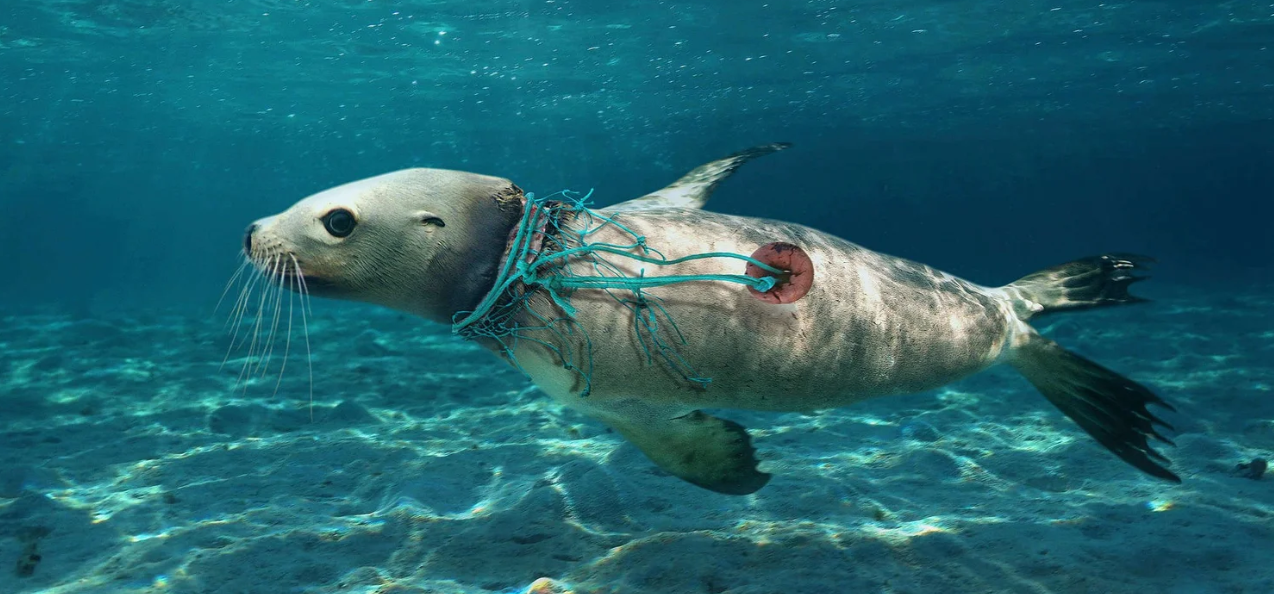
This is also “ghost fishing”. The gear keeps catching fish and crabs, which then attract more life, which then gets caught too. It’s a grim chain letter, passed on by currents.
Modern nets often use nylon or polypropylene. These plastics can last for decades. Over time, they fray into smaller pieces, adding microplastics to the same waters where life is already stressed.
A small, familiar scene makes it real. A coastal patrol boat spots a floating bundle near a reef. A diver goes down and finds a net draped over coral like a shroud.
Inside it, there’s movement, a juvenile turtle pinned in place, scraping for space. No villain is present, just an object doing what it was made to do, long after it should’ve stopped.
For a clear explainer of how entanglement and ghost fishing work, NOAA’s Marine Debris Program lays it out in plain terms in its page on wildlife entanglement and ghost fishing.
Ghost gear is cruelty without intent, harm without a face, and that makes it easy to ignore.
More than wildlife: the hidden costs for fishers, tourism, and safety at sea
The ocean economy runs on thin margins. A lost net can mean a week of income gone, so the damage doesn’t stop with wildlife.
Ghost gear competes with active fishing. It keeps removing fish from the water, but no one lands that catch. As a result, stocks drop, and honest fishers work harder for less.
In places where fish is a key protein, that pressure becomes a food security issue, not just a conservation headline.
Then there’s direct harm to livelihoods:
- Nets foul propellers and damage engines, which can be dangerous far from shore.
- Lines snag on working gear, tearing new nets that cost money to replace.
- Traps and rope create navigation hazards, especially in rough weather or at night.
- Beaches get littered with rope and net fragments, which hurts tourism and local pride.
These costs hit small-scale fishers hardest. Across the Indian Ocean, many families fish close to shore, often with limited safety kit and no insurance cushion.
When industrial gear drifts into artisanal zones (or the other way around), conflict follows, and lost gear rises. The ocean doesn’t care whose paperwork is in order.
Why nets get abandoned, and why stopping it is harder than it sounds
It’s tempting to blame an individual fisher and move on. That story is neat, and it’s usually wrong. Ghost gear is often a systems failure, shaped by weather, economics, and weak support on land.
Accidents, storms, and gear conflicts: the everyday ways nets are lost
Some loss is accidental. Storms snap lines. Strong currents drag nets into deep water. Gear gets snagged on reefs, rocks, and wrecks.
In a crisis, a crew may cut a net to save the boat and the people on it. That choice is understandable, even if the ocean pays later.
Conflict also plays a part. Trawlers and small boats may fish the same space. When gear crosses paths, something gets torn free. Retrieval can be risky too. A tangled net can pull a person under.
Deep water retrieval costs time, fuel, and skilled labour. So, even if a fisher wants to recover gear, it may be unsafe or unaffordable.
Technology can help, at least in theory. GPS buoys and tracking tags can reduce loss and improve recovery. Still, many fleets can’t afford them, or don’t have training and repair support.
The Food and Agriculture Organization has documented these real-world drivers in its discussion of reasons fishing gear is abandoned or lost, which helps shift the conversation from blame to prevention.

When dumping feels like the cheapest option: gaps in rules, ports, and incentives
Some gear is dumped on purpose, and we should say that plainly. Yet dumping often sits downstream of bad incentives.
Disposal can cost money. Collection points may be far from small harbours. Ports may lack reception facilities for bulky gear.
If returning an old net means a long trip, a fee, and lost fishing hours, the “cheap” option starts to look tempting.
Rules exist, but enforcement at sea is hard. Monitoring thousands of square kilometres takes patrols, satellite capacity, and political will. Paperwork can be weak across borders, and gear itself is rarely traceable back to its owner.
Without traceability, accountability turns into a shrug of shoulders.
Two policy ideas are gaining attention because they match how people actually behave:
- Extended producer responsibility: makers help fund collection and proper disposal.
- Deposit-return schemes: you pay a deposit on gear, then get money back when you return it.
These tools don’t fix everything, but they make doing the right thing easier than doing the wrong thing.
What actually works to cut ghost gear, from boat decks to policy desks
Hope needs receipts. The good news is that ghost gear is one of the more solvable ocean problems, because the sources are identifiable and the fixes are practical.
Prevention first: better gear design, clear labels, and tracking that fits real budgets
Prevention is cheaper than cleanup, and it saves lives early.
Low-tech steps work well when they’re consistent. Gear marking (simple labels and colour codes) helps identify ownership and reduce conflict.
Regular maintenance prevents weak points from failing at sea. Training matters too, because a well-handled net is less likely to be lost in panic.
Design can also reduce harm when loss happens. Some traps can use escape gaps or biodegradable panels, so they stop fishing after a period underwater.
“Weak links” in some set-ups can allow larger animals to break free. Tracking tools like RFID tags or GPS buoys can support retrieval programmes, especially for higher-value gear.
The trick is matching tools to budgets, and not making compliance a luxury item.
Meanwhile, certification and buyer standards can push fleets toward better practice. The Marine Stewardship Council explains practical approaches in its work on preventing lost gear and ghost fishing, which is useful for anyone trying to understand supply chain pressure.
Cleanup and accountability: retrieval teams, port drop-offs, and who pays
Even with prevention, some gear will be lost. That’s where organised retrieval comes in.
Successful programmes often look like this: fishers report lost gear quickly, retrieval teams coordinate with local knowledge, and ports provide safe drop-offs.
Some projects pay fishers to recover nets during planned trips, similar to “fishing for litter” efforts. That turns cleanup into income, not charity.
Recycling sounds like the neat ending, but it’s limited. Old gear is often dirty, mixed-material, or salt-soaked. Processing it costs money, and facilities are unevenly spread.
Still, where recycling is feasible, it keeps plastic out of water and reduces demand for new material.
Accountability works best when it’s shared:
- Governments set fair rules and fund monitoring.
- Ports provide reception and collection without punishing fees.
- Brands and gear makers help pay for take-back systems.
- Buyers ask for cleaner supply chains, not just lower prices.
If you want to help without drowning in guilt, here are a few grounded actions:
- Choose certified seafood where it’s available and affordable. Or, do not eat it at all.
- Support local beach and harbour cleanups that handle nets safely.
- Ask seafood brands about net take-back or recovery funding.
- Share local reporting hotlines when you see ghost gear onshore.
- Vote for waste and fisheries reforms that fund ports and enforcement.
For definitions and quick clarity you can share, the Global Ghost Gear Initiative’s ghost gear FAQs are a solid starting point.
The goal isn’t perfect oceans. It’s fewer traps left behind, and faster action when loss happens.
Conclusion
Ghost gear is preventable plastic pollution that keeps killing long after a boat has gone home. The fixes are not mysterious: stop loss where we can, make return easy, fund retrieval, and enforce rules fairly. When ports accept old nets, when gear is marked, and when producers share costs, “lost” stops meaning “abandoned”.
From India to the Pacific coast of the US, the sea stitches our stories together. A net drifting offshore is never just offshore. Small changes in habits and policy can stop today’s tools from becoming tomorrow’s ocean traps.

Saket Sambhav is the founder of WriteToWin, India’s premier environmental writing competition for school students. A legal professional and DBA candidate in sustainability, he launched WriteToWin to shift generational mindsets – empowering students to make conscious choices and protect the planet. He also mentors young eco-entrepreneurs, nurturing the next wave of climate leaders.