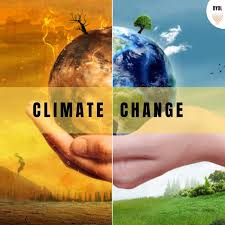
What would happen if the air we breathe became unsafe, the water we drink disappeared, and the seasons we rely on changed beyond recognition? This is not a distant future-it is the growing reality of climate change.
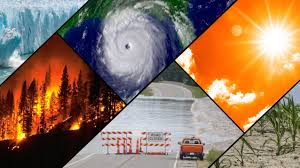
The earth is warming, but not quietly. Glaciers are melting, forests are burning, and oceans are rising-sending us a clear message that climate change is no longer a distant threat, but it is a reality we are living in today.
According to scientists, the past decade has been the hottest in recorded history. This alarming trend is a direct warning that
Our planet is under a threat from climate change!
So, from past few days, weeks, months, years, decades;
Our planet has a diaristic change in climate whether it is in summer, winter, spring, autumn, all over the world it is not normal the patterns of rain, clouds, season arriving time having a change which is forcing us to think about it that it is not normal it is something big which is developing like a host in body from a disease and will attack the body.
Many of you will say what a talk is going on, it is normal as it is a regular pattern which repeatedly comes and goes, yes, it is! But it is something new like you will see What makes 2026 even more alarming is that it follows a series of already record-breaking years. The year 2024 had set global temperature records, shocking scientists and governments alike. Yet, just two years later, 2026 has surpassed many of those extremes. In several parts of India, temperatures have broken not only 2024 records but also long-standing records of 20 to 30 years. This is no longer a pattern of isolated heatwaves—it is a clear and continuous escalation of climate change.
The summer of 2026 has rewritten history. With 19 of the world’s 20 hottest cities located in India and temperatures crossing 47°C in places like Banda, this year stands as a frightening reminder of climate change. Records that stood for decades have been shattered, and even nights no longer bring relief. From India to Europe, where over 95% of regions faced extreme heat, the message is clear—our planet is heating faster than ever before.
Possible El Niño in 2026 may worsen heat and reduce rainfall.
–El Niño is a periodic climate pattern characterized by the warming of surface waters in the central and eastern tropical Pacific Ocean. It is one phase of the broader El Niño–Southern Oscillation system and significantly influences global weather, ecosystems, and economies through shifts in atmospheric circulation.
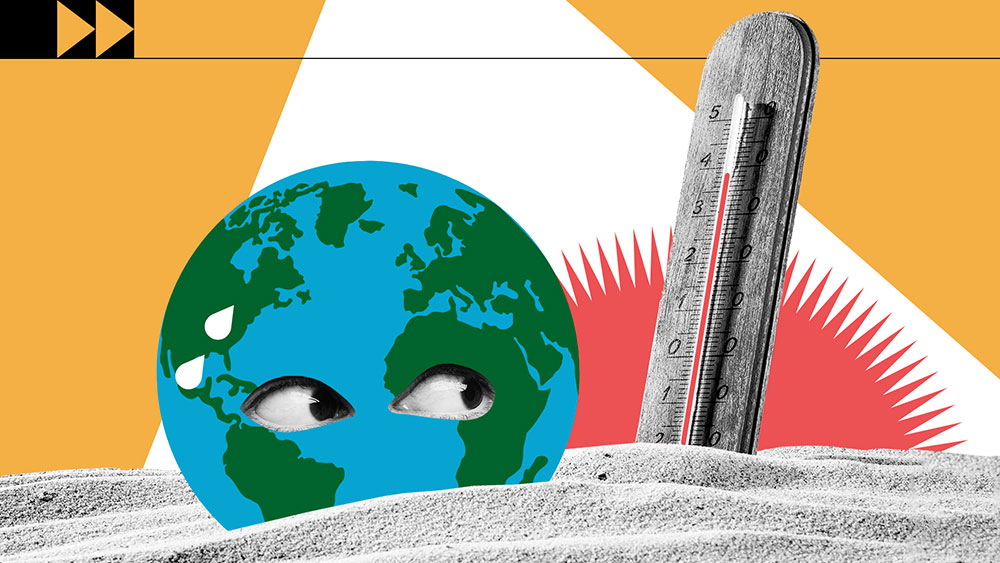
Although El Niño typically repeats every 2 to 7 years, global warming is increasing its intensity and unpredictability rather than clearly shortening its cycle.
This all is happening due to following things:
- Burning of fossil fuels (coal, oil, gas)
- Deforestation (cutting down trees)
- Industrial pollution
- Vehicle emissions (cars, buses, airplanes)
- Agriculture and livestock (methane, fertilizers)
- Waste and landfills (garbage gases)
- Overuse of natural resources
- Urbanization (expanding cities)
- Use of harmful chemicals and gases
- Volcanic eruptions
- Solar variations (changes in sun energy)
- Natural climate patterns like El Nino
Most causes of climate change today are man-made, including burning fossil fuels, deforestation, industrial pollution, and excessive resource use.
Climate change is primarily driven by human activities that disturb the natural balance of the Earth. The major causes include the burning of fossil fuels such as coal, oil, and gas for energy, which releases large amounts of carbon dioxide into the atmosphere. Deforestation further worsens the problem by reducing the number of trees that absorb this carbon dioxide. In addition, rapid industrialization, increasing vehicle emissions, and expanding urbanization contribute significantly to air pollution and greenhouse gas emissions.
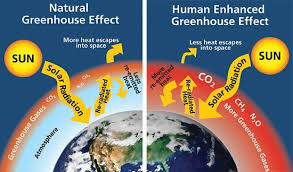
Agricultural practices and livestock release methane and other harmful gases, while poor waste management and landfills add to atmospheric pollution. The overuse of natural resources and rising population also increase the demand for energy and materials, accelerating environmental damage. As a result of these activities, the effects of climate change are becoming more visible and severe. These include rising global temperatures, extreme heatwaves like those seen in 2026, melting glaciers, rising sea levels, irregular rainfall, droughts, floods, and the loss of biodiversity. Climate change also poses serious risks to human health, food security, and water availability, making it one of the greatest challenges facing humanity today.
The dangers of climate change are becoming more serious with each passing year, affecting both nature and human life. One of the most immediate threats is the rise in global temperatures, leading to extreme heatwaves such as those witnessed in 2026, which have broken previous records and made living conditions unbearable in many regions. This increasing heat not only causes health problems like heatstroke and dehydration but also reduces productivity and puts vulnerable populations at greater risk.
Climate change also disrupts rainfall patterns, resulting in severe droughts in some areas and devastating floods in others, which damage crops and threaten food security. The melting of glaciers and polar ice is causing sea levels to rise, endangering coastal cities and forcing people to leave their homes.
In addition, ecosystems are being destroyed, leading to the loss of biodiversity as many plant and animal species struggle to survive in changing conditions. Water scarcity is becoming a major global issue, and economic losses due to climate-related disasters are increasing rapidly. Overall, climate change is not just an environmental problem but a growing threat to human survival, stability, and the future of our planet.
But there is still time to safe it and recover it, if you want to live in peace and good environment follow these steps:
Climate change is a global problem, but its solution begins with individual responsibility. Each person can contribute by making small yet meaningful changes in daily life. Reducing the use of fossil fuels by walking, cycling, or using public transport can significantly lower carbon emissions. Conserving electricity by switching off unused appliances and adopting energy-efficient devices also helps. Planting trees and protecting green spaces improve air quality and absorb carbon dioxide. Additionally, reducing waste, reusing materials, and recycling can minimize pollution. Avoiding single-use plastics and conserving water are simple but effective steps. When individuals act responsibly and spread awareness, they create a ripple effect that leads to larger societal change.
Local authorities and governments play a crucial role in tackling climate change through policies and development strategies. Governments are promoting renewable energy sources such as solar and wind power to reduce dependence on fossil fuels. Many cities are improving public transportation systems to reduce traffic pollution. Afforestation programs and campaigns to protect forests are being actively implemented. Governments are also enforcing environmental laws to control industrial emissions and waste disposal.
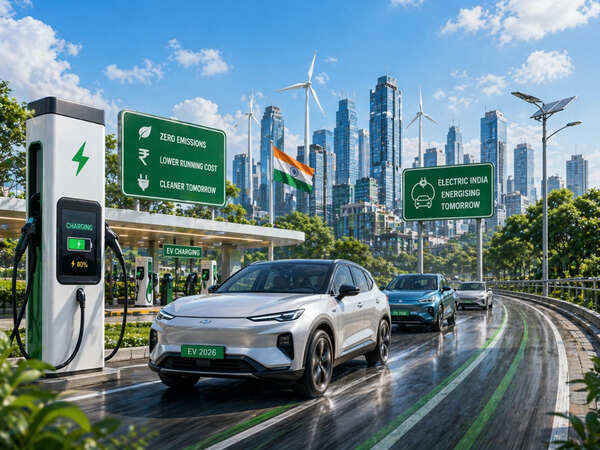
In addition, awareness campaigns and educational programs are helping citizens understand the importance of sustainable living. Investments in clean technologies and infrastructure are further supporting the transition toward a greener future. Also, government are promoting EV’s production and its usage, as it is clearly mentioned by government petrol and diesel is not the future.
Global Measures:
Climate change is a worldwide issue that requires cooperation among nations. Countries are coming together through international agreements such as the Paris Agreement to reduce greenhouse gas emissions and limit global warming. Developed nations are supporting developing countries with financial aid and technology to combat climate challenges. Global organisations are conducting research and sharing data to better understand climate patterns and risks. Efforts are also being made to protect oceans, forests, and biodiversity on an international scale. Collaborative actions, such as reducing carbon emissions and promoting sustainable development, are essential to address this crisis effectively.
Aims of the United Nations:
The United Nations has set clear goals to combat climate change through its Sustainable Development Goals (SDGs). One of the key aims is to take urgent action to combat climate change and its impacts. The UN promotes the use of clean energy, sustainable cities, and responsible consumption. It also focuses on protecting life on land and underwater by conserving ecosystems. Another important aim is to ensure global cooperation and support vulnerable countries affected by climate change. Through these goals, the UN aims to create a balanced and sustainable future where economic development goes hand in hand with environmental protection.
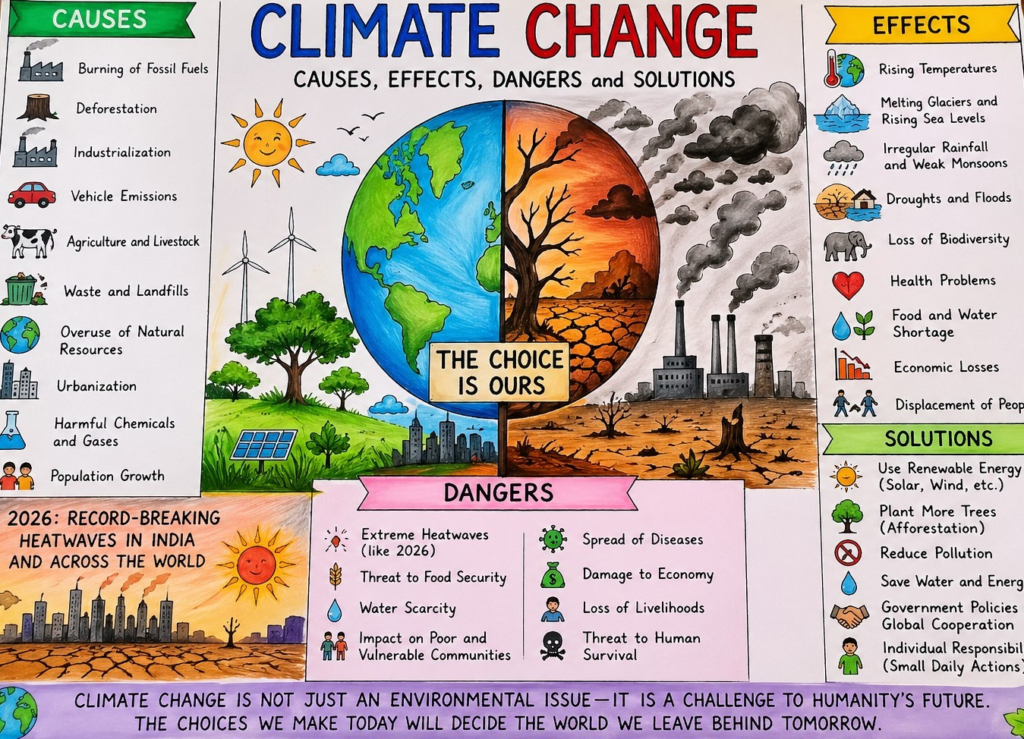
In conclusion, climate change is not a distant threat but a present reality that demands urgent action. The record-breaking events of recent years, including the extreme heat of 2026, are clear warnings that we cannot ignore. While governments and global organisations are taking steps, the responsibility also lies with each one of us. Every small action, when multiplied by millions, can create meaningful change. The future of our planet depends on the choices we make today. If we act wisely and responsibly, we can protect the Earth and ensure a safer, healthier world for generations to come. This not only some set of words and paragraph it’s a step to have a step on our planet and save it. This is not only a contest it is a voice we have to raise for saving our planet and leading generations.