A lot of pages promise “the best writing competition india list” and then hide the awkward bit, the fee, the vague rules, or a deadline that expired months ago. That wastes time, especially for students, parents, and teachers who need clear answers.
As of April 2026, the number of free-entry options for Indian school students is smaller than many round-ups suggest. Still, a few genuine routes stand out, and some are better organised than others.
Free entry writing competitions in India 2026 that are worth your time
The table below focuses on competitions that are free, relevant to Indian school students, and publicly known in 2026 or in the latest available cycle. Where a 2026 deadline is not yet published, the current status is stated plainly.
| Competition | Organiser | Eligibility | Deadline status | Prize | Application link / route |
|---|---|---|---|---|---|
| WriteToWin Environmental Article Writing Competition | WriteToWin | Classes 6 to 12, with junior, senior, and super-senior categories | Season-based in 2026, check live round details | Cash prizes from a large annual pool, category prizes, certificates, school and teacher recognition | Enter Free to Win Prizes Worth Lakhs |
| Tata Building India School Essay Competition | Tata Group | Classes 6 to 12 | Latest public summary says schools choose the competition day after registration; no single national closing date was visible | Certificates, medals, Tata merchandise | Via participating schools |
| Project Veera Gatha | Public school-linked national initiative | Classes 3 to 12, school submissions vary by category | Latest known cycle ran from 8 Sep to 31 Oct; wait for the 2026 notice before treating it as open | Top prize listed at ₹10,000, plus recognition | Via participating schools and the next official notice |
Free entry is the first filter, not the last one. You still need clear rules, a live cycle, and a route that matches your school or writing style.
One pattern is obvious. The strongest free options are either fully online or school-routed. That’s useful, because it tells you where to look first. If your child prefers direct submission, online formats are easier. If a school wants mass participation, the school-routed model saves effort.
It also explains why some blog lists look bigger than reality. Plenty of contest pages mention young writers, but they don’t clearly show a fee, a current cycle, or who can enter. Those are warning signs.
Which competition suits your student best
If the student wants a national, online, climate-focused platform
WriteToWin is the clearest fit for students who want to write on real issues, not a tired “save nature” speech. It is free, open to Classes 6 to 12, and built around environmental and climate writing. The platform also spells out what many competitions blur: originality matters, formatting matters, and AI can help with assistance, not with writing the article for you.
That matters because strong climate writing now needs facts. Students can draw on current Indian debates such as safeguards for India’s carbon market, the IIT Bombay study on satellite methane tracking, or IUCN concern around the Western Ghats. Those topics are current, specific, and far more useful than broad moral lectures.
If the school wants a simple essay day with low admin
Tata Building India works well for schools because the format is familiar. A school registers, picks a day, runs the competition in-house, and sends entries through the school system. For principals and English teachers, that is practical.
The trade-off is creative freedom. This model is less suited to students who want a longer article, research-heavy argument, or a public portfolio piece. It is stronger as a school participation activity than as a deep writing showcase.
If the student writes best with a fixed theme
Project Veera Gatha is a better fit for students who like structured themes and school nomination. It isn’t an open-ended environmental contest, and the latest known dates belong to the last public cycle. So, treat it as a watch-list option for 2026, not a live opportunity unless the new notice is out.
That distinction matters. Old deadlines linger online like bad leftovers. Always check whether the cycle is current before drafting 1,000 words.
How to write an entry that doesn’t sound like homework
The fastest way to lose a judge is to sound vague. Students often write sweeping lines about “protecting Earth” and then repeat them in softer words. Judges notice.
A better entry takes one issue, adds evidence, and says something clear. For example, a student could write about why carbon markets need farmer and forest-community safeguards, or why climate finance should be treated as a duty rather than a polite promise. Those are live debates, and they show the writer is paying attention.
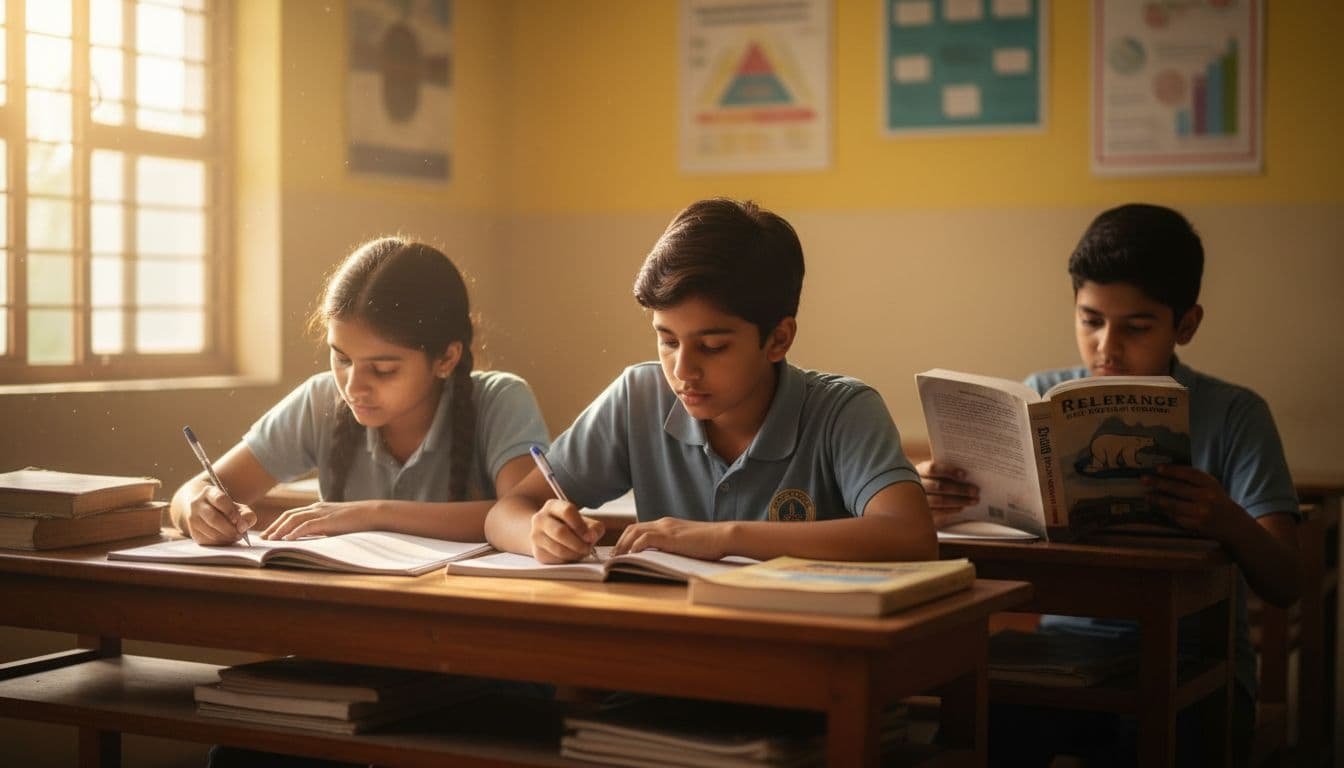
A strong entry usually does four things well:
- It picks a narrow topic and sticks to it.
- It uses recent examples, not stale slogans.
- It sounds like a student who has thought, not a machine that has stitched.
- It edits hard, because clean writing beats fancy writing.
Teachers can help most at the planning stage. Ask the student for a clear argument, two or three facts, and one conclusion that actually follows from the evidence. Parents can help by checking tone and spelling, not by rewriting the piece into adult prose. Judges want a young voice, not a committee document.
If the article is on climate or nature, it helps to track what is happening now. Recent public reporting has touched on falling sunshine hours due to aerosols and cloud cover, new concern over biodiversity zones, and the need to protect communities in environmental policy. Those topics give students fresh angles and stronger openings.
A good draft feels like a sharp school debate on paper. It has a point. It has proof. It doesn’t ramble.
What matters most before you submit
For 2026, the smart approach is simple. Pick competitions that are clearly free, check that the cycle is live, and match the format to the student.
Right now, the cleanest path for many school students is a trusted online option such as WriteToWin, while school-run contests still suit classrooms that want broad participation. The best writing does not come from the biggest list. It comes from the right fit, a current brief, and a student who has something real to say.

Saket Sambhav is the founder of WriteToWin, India’s premier environmental writing competition for school students. A legal professional and DBA candidate in sustainability, he launched WriteToWin to shift generational mindsets – empowering students to make conscious choices and protect the planet. He also mentors young eco-entrepreneurs, nurturing the next wave of climate leaders.