The real question: who pays, and who benefits?
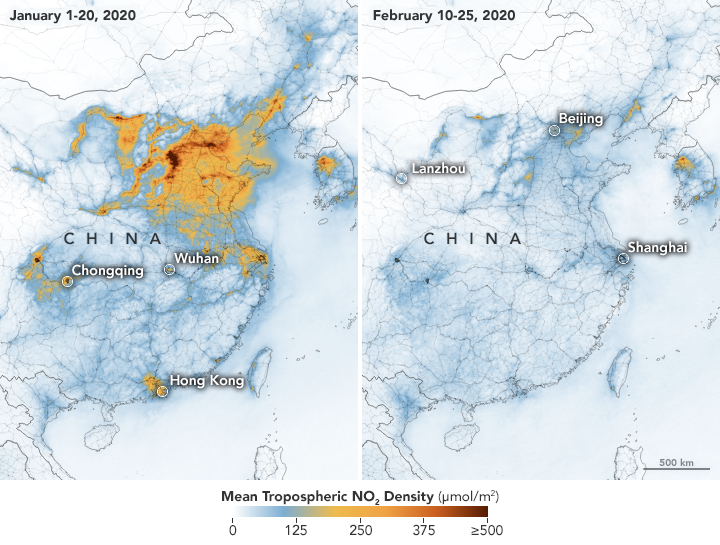
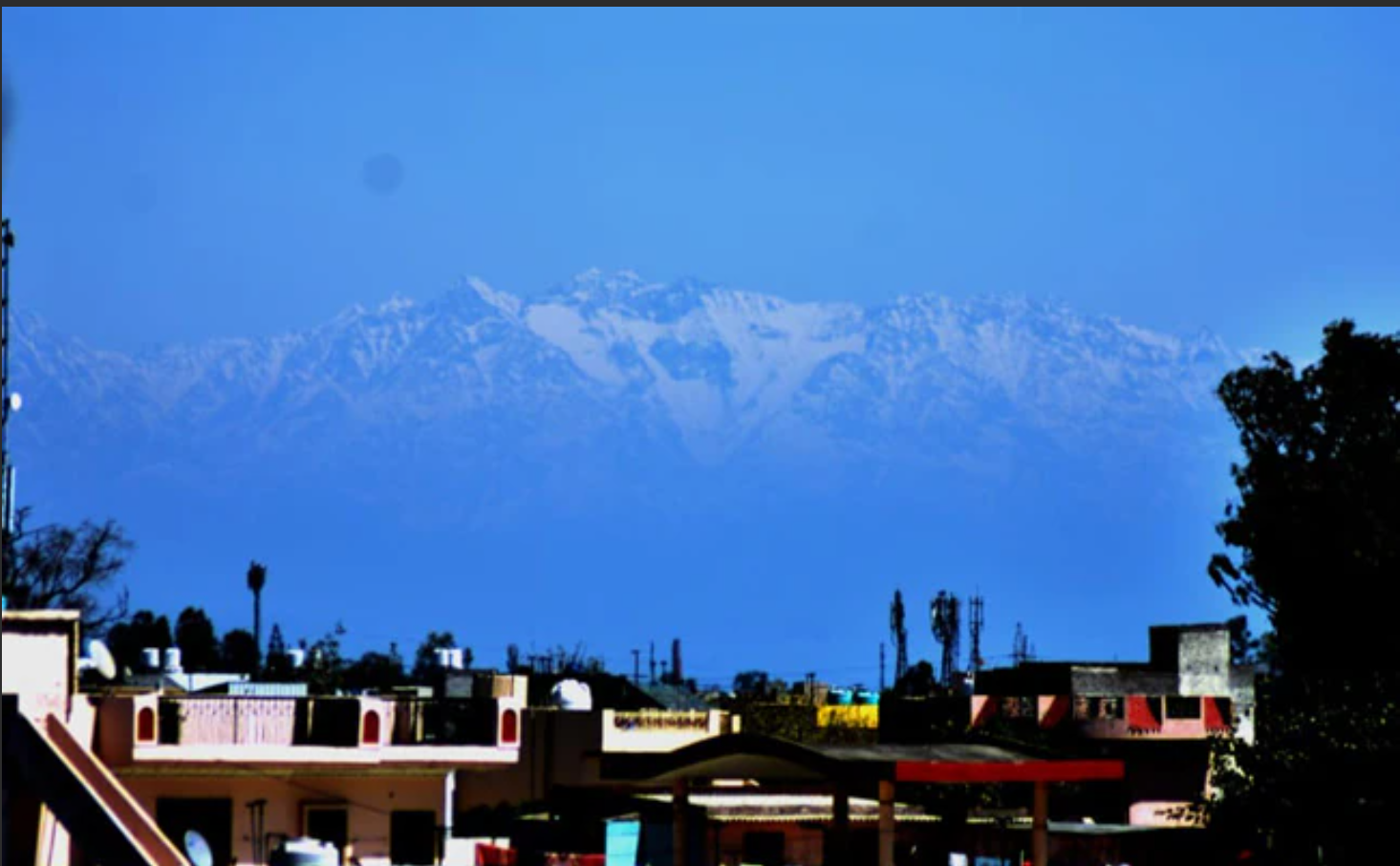
For a few weeks in 2020, it felt like the planet exhaled. Roads went quiet, skies looked sharper, and people heard birds in places usually ruled by horns.
That memory still haunts our climate arguments, because it offered a brutal kind of proof: when humans stop, pollution drops.
From India, I understand why the idea tempts us. When Delhi’s air briefly cleared, many of us felt relief in our lungs, not just in our heads. Still, wishing for a Covid-type lockdown as a climate plan is like wishing for a house fire because it clears the termites.
Yes, something changes, but the method burns the people inside.
So let’s be honest about what lockdowns achieved, what they cost, and what smarter, fairer “planned slowdowns” could look like.
What Covid lockdowns actually did to emissions and pollution, and why it did not last

Lockdowns reduced some pollution fast, because mobility and business activity fell fast. However, the reductions were mostly temporary, and the causes mattered.
In simple terms, we saw two different stories at once:
- Local air pollution can improve quickly when traffic drops.
- Climate pollution (CO₂) is about long-term build-up, so a short dip doesn’t “reset” anything.
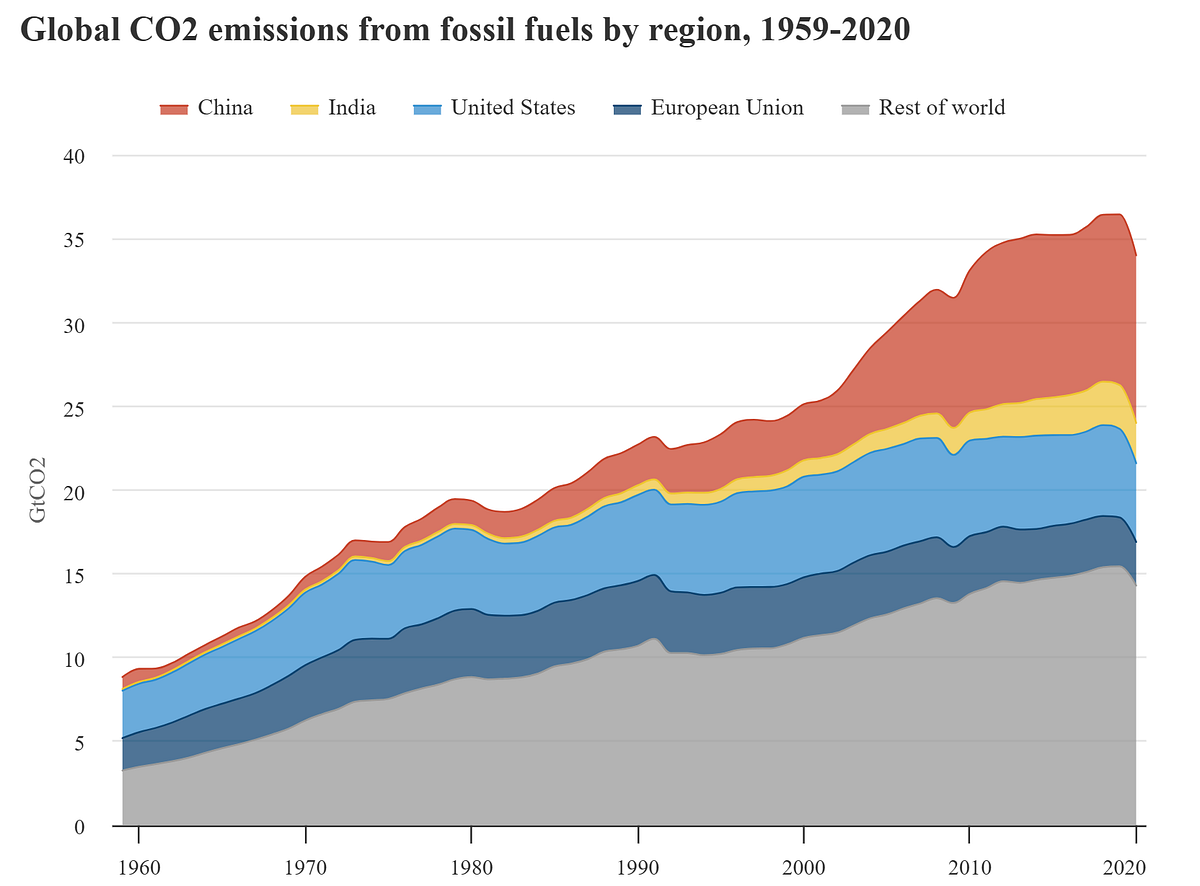
Global CO₂ emissions fell by roughly 6 to 7 percent in 2020, then climbed again as economies reopened. That scale is real, and it’s well documented, including in Carbon Brief’s reporting on the Global Carbon Project’s estimates of the record fall in fossil-fuel emissions in 2020. The problem is what came next: the bounce-back.
Cleaner air was real, but it was mostly a traffic story
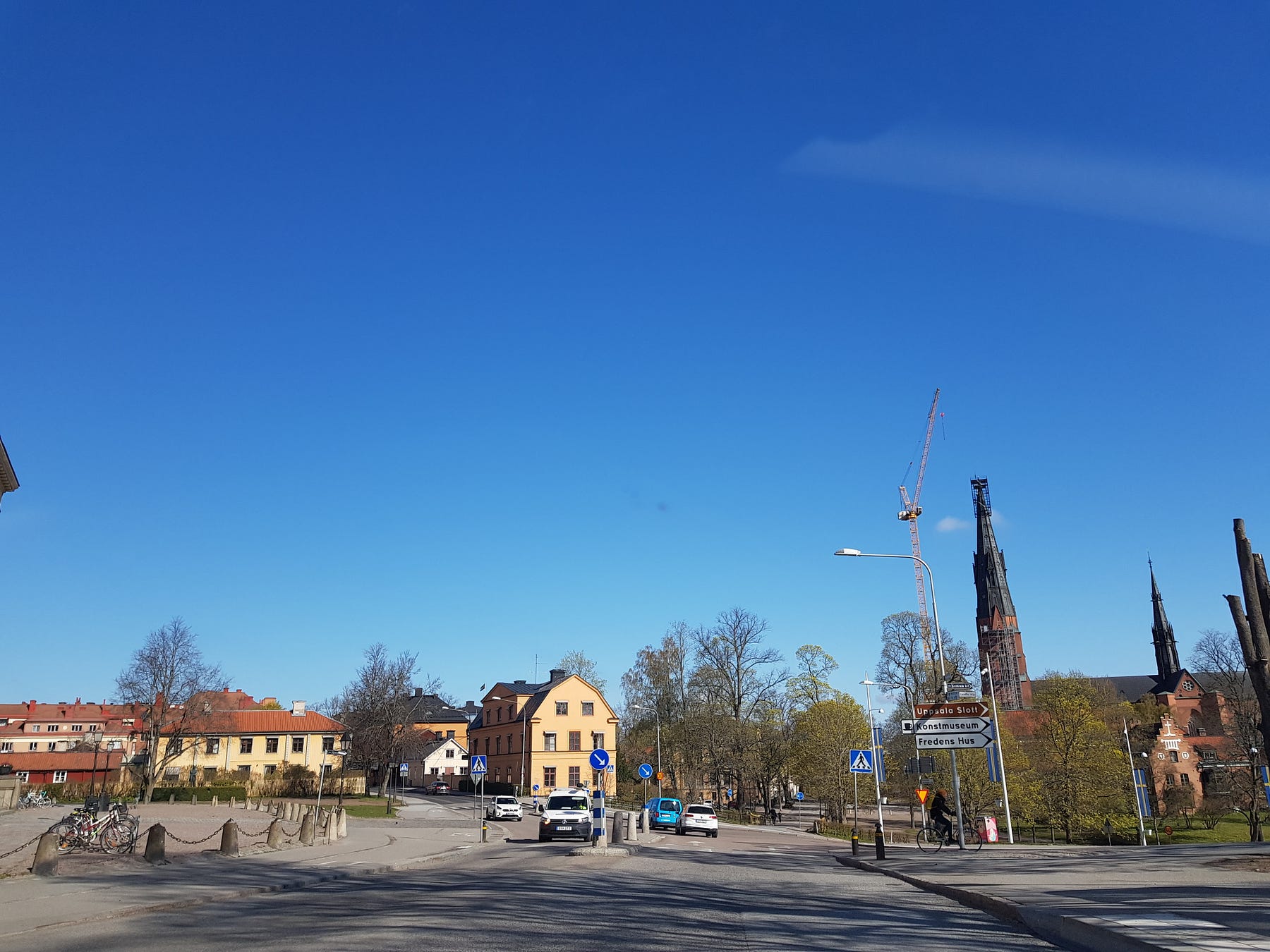
Many cities saw big drops in nitrogen dioxide (NO₂), largely because cars, buses, and trucks vanished from daily life. Some industrial activity slowed too.
As a result, a lot of people experienced what clean air feels like for the first time in years.
Yet the results weren’t equal everywhere. In some places, smoke from fires, coal power, dust, and weather patterns still kept air dirty. In India, Delhi’s smog is a layered problem, with vehicles, construction dust, industry, and seasonal burning all adding to the mess.
So lockdown cleared part of the picture, NOT the whole canvas.
CO₂ dipped, then snapped back because energy and goods did not fundamentally change
When factories restart, supply chains move again, and flights return, emissions return too. Some demand even “catches up”, because delayed purchases and travel happen later.
Here’s the part many people miss: climate change works like a bathtub with the tap running. CO₂ is the water. A one-year slowdown is like turning the tap down briefly, while the tub still keeps filling.
The level still rises unless you keep the tap low for years, and also widen the drain (by protecting forests and improving carbon sinks).
Methane and other gases matter too, but the headline stays the same: a forced pause doesn’t rebuild the system. It just interrupts it.
The hidden price of a forced lockdown, and who would pay it
A climate plan that copies lockdown pain isn’t climate justice, it’s climate punishment. The pandemic showed a hard truth: “Stay home” sounds equal only if you ignore how people live.
A forced lockdown shifts costs downwards. It protects those with savings, space, stable jobs, and strong safety nets. Meanwhile, it squeezes people who already live on the edge.
Lockdowns hit informal workers and the poor first, in India and everywhere
In India, the informal economy is not a niche, it’s a backbone. Daily wage earners, street vendors, domestic workers, delivery riders, and small shop owners can’t simply “pause” their income.
Many households also live in crowded rooms, with shared toilets and limited water. In that setting, staying home isn’t restful, it can be dangerous.
The same pattern shows up globally. Informal work exists in every country, even if it’s less visible. When movement stops, cashflow stops. When cashflow stops, food security shakes.
Supply chain shocks then raise prices, which hits low-income families twice.
For a grounded look at this in India, the International Labour Organization has detailed research on the impact of COVID-19 containment measures on informal employment.
Climate action cannot be built on the same fault line.
Rights, trust, and backlash matter, because climate policy needs people to stay on board
Emergency rules can be necessary in a health crisis. Still, they carry risks: heavy policing, surveillance, scapegoating, and the normalising of “exceptional” control. Once trust cracks, it’s hard to repair.
That matters because climate action isn’t a two-week sprint. It’s decades of change. If people associate climate policy with fear and force, they’ll vote against it, resist it, or tune out.
The backlash then becomes its own kind of emissions, a toxic cloud that lingers for years.
If climate policy feels like punishment, people will treat it like a threat, not a shared project.
A better idea than lockdown, planned slowdowns and rules that cut emissions without breaking lives
The best parts of lockdown were accidental: fewer cars, less wasted travel, quieter streets, and a reminder that “normal” is a choice. We can keep those gains without mass suffering, but only through planned change.
Think of it as switching from a power cut to rewiring the house. One is sudden and dark. The other takes effort, but it lasts.
Make low-carbon choices the default, clean power, cleaner transport, and efficient buildings
First, clean electricity has to become boring and everywhere. That means rapid renewables, better grids, and storage, plus a steady phase-down of coal with real support for workers and regions.
A “just transition” is not a slogan, it’s rent, retraining, and local investment.
Next, cities can cut pollution by design: reliable public transport, safe walking and cycling, electric buses, and smarter freight.
This is not about shaming drivers. It’s about giving people options that feel safer, cheaper, and quicker.
Buildings matter too. Insulation, efficient cooling, cool roofs, and better appliances reduce demand without asking for hardship.
In India and many other countries, clean cooking also needs attention, because smoky kitchens harm health and add climate pollution.
Cut waste in high-consumption sectors, and protect people while doing it
Some emissions come from “nice-to-haves” scaled into habits, especially among higher earners. Business travel is a clear example.
Many meetings can stay online, while essential travel remains. Fast fashion, oversized homes, and constant upgrades also carry hidden carbon.
Policy can guide this without moral theatre:
- Carbon pricing paired with rebates for low and middle incomes
- Strong efficiency standards for vehicles and appliances
- Public procurement that favours low-carbon materials and services
- Support for small businesses to upgrade equipment, not shut down
The point is fairness. If a policy reduces demand, it should also reduce insecurity.
Cash transfers, job guarantees, retraining, and affordable public services keep people steady during change.
For a clear warning from a global authority, the World Meteorological Organization has stressed that an economic slowdown is no substitute for climate action.
That line should sit above every climate bill and every budget speech.
Where this leaves us…
A Covid-style lockdown is a blunt tool. It briefly reduced emissions and cleaned some city air, but it also spread deep harm, especially to people with the least protection.
That can’t be the plan for “getting Earth back on track”.
The real work is harder and more hopeful: planned, fair, permanent changes that make clean choices normal, not heroic.
Leaders should focus on systems, power, transport, buildings, and safety nets.
Readers can push locally, vote with attention, and keep asking one simple question in every debate: who pays, and who benefits?
The planet doesn’t need us to stop living. It needs us to stop burning the future to fund the present.

Saket Sambhav is the founder of WriteToWin, India’s premier environmental writing competition for school students. A legal professional and DBA candidate in sustainability, he launched WriteToWin to shift generational mindsets – empowering students to make conscious choices and protect the planet. He also mentors young eco-entrepreneurs, nurturing the next wave of climate leaders.