We mine it, waste it, and then act shocked when food gets expensive.
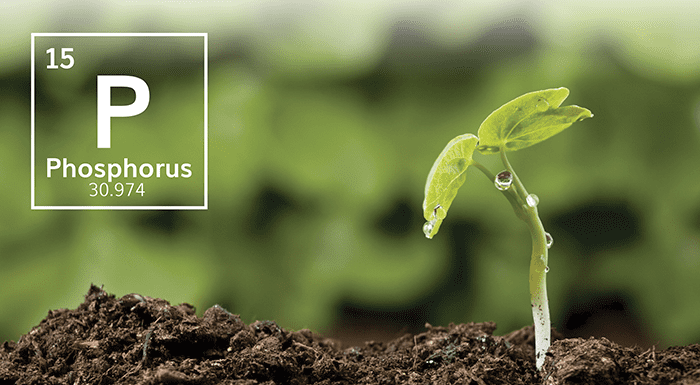
Every time you eat rice, wheat, or a simple bowl of dal and veg, you’re eating a mineral you can’t see. Phosphorus sits quietly behind modern harvests because it helps plants build roots, move energy, and fill grain.
Here’s the paradox. We treat phosphorus like an unlimited input, sprinkled on fields year after year. Yet most of it comes from phosphate rock, a finite material dug from a small set of places.
That means the real risk is not just “running out”. It’s price spikes, export controls, shipping shocks, and pollution from waste.
The phosphorus paradox, a life essential nutrient trapped in a messy global supply chain
Plants don’t grow on sunlight alone. They also need nutrients, and phosphorus is one of the big three (with nitrogen and potassium). When phosphorus is short, roots stay weak, flowering can drop, and yields suffer.
In other words, it’s not a “nice to have”. It’s a gatekeeper.
There’s no true substitute. Farmers can swap seed varieties, change irrigation, or fine-tune nitrogen. They can’t replace phosphorus with a different element.
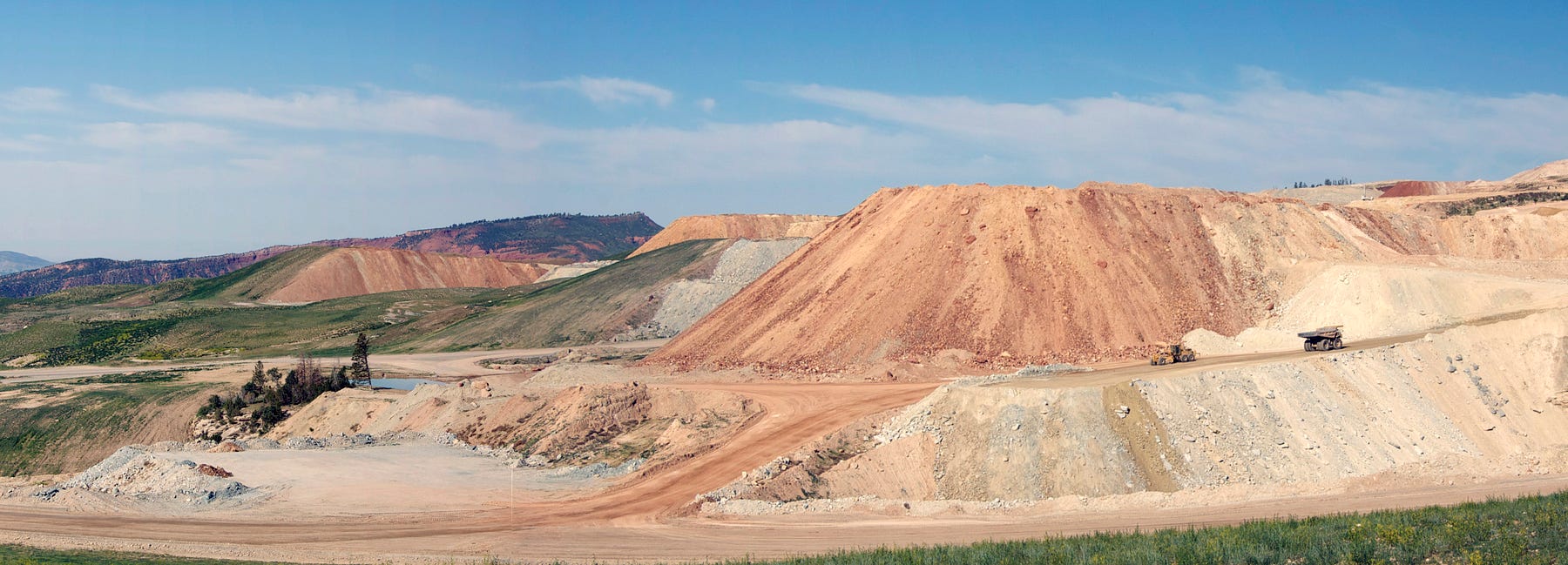
The chemistry is blunt: phosphate rock is mined, processed, and turned into fertiliser, then spread on soils to keep crop output steady.
The twist is that phosphorus has two lives. In the right place, it’s food. In the wrong place, it becomes pollution.
Our current system struggles with both: tight supply in farm economics, and loose leakage into rivers.
If it is so important, why can we not just make more?
Because phosphorus is an element. We can’t manufacture it like a synthetic chemical. We can only move it around.
In nature, it cycles slowly through rock, soil, water, and living things. Farming speeds that cycle up. We grow crops, ship food to cities, and flush nutrients away. Then we mine rock to “top up” fields at scale.
That’s why it feels like a one-way street. The nutrient leaves farms in grain, milk, meat, and vegetables, but it rarely returns. We replaced a loop with a pipeline.
Phosphorus scarcity is less like an emptying tank, and more like a broken loop we keep paying to patch.
Are we actually running out, or are we running into risk?
Reserve numbers sound comforting, until you ask what they hide. Global phosphate rock reserves are often put around 73 to 74 billion tonnes, yet estimates of “how long it lasts” vary widely.
Some research warns about peak phosphorus between 2030 and 2070. In contrast, the International Fertilizer Development Center (IFDC) has argued that supplies could last 300 to 400 years at current use rates, and that larger “resources” may exist beyond today’s reserves.
So which is it: crisis or calm? Both miss the point a bit.
The most practical danger isn’t the calendar date when a mine runs dry. It’s concentration, demand growth, and sudden shocks.
A simple way to hold the nuance:

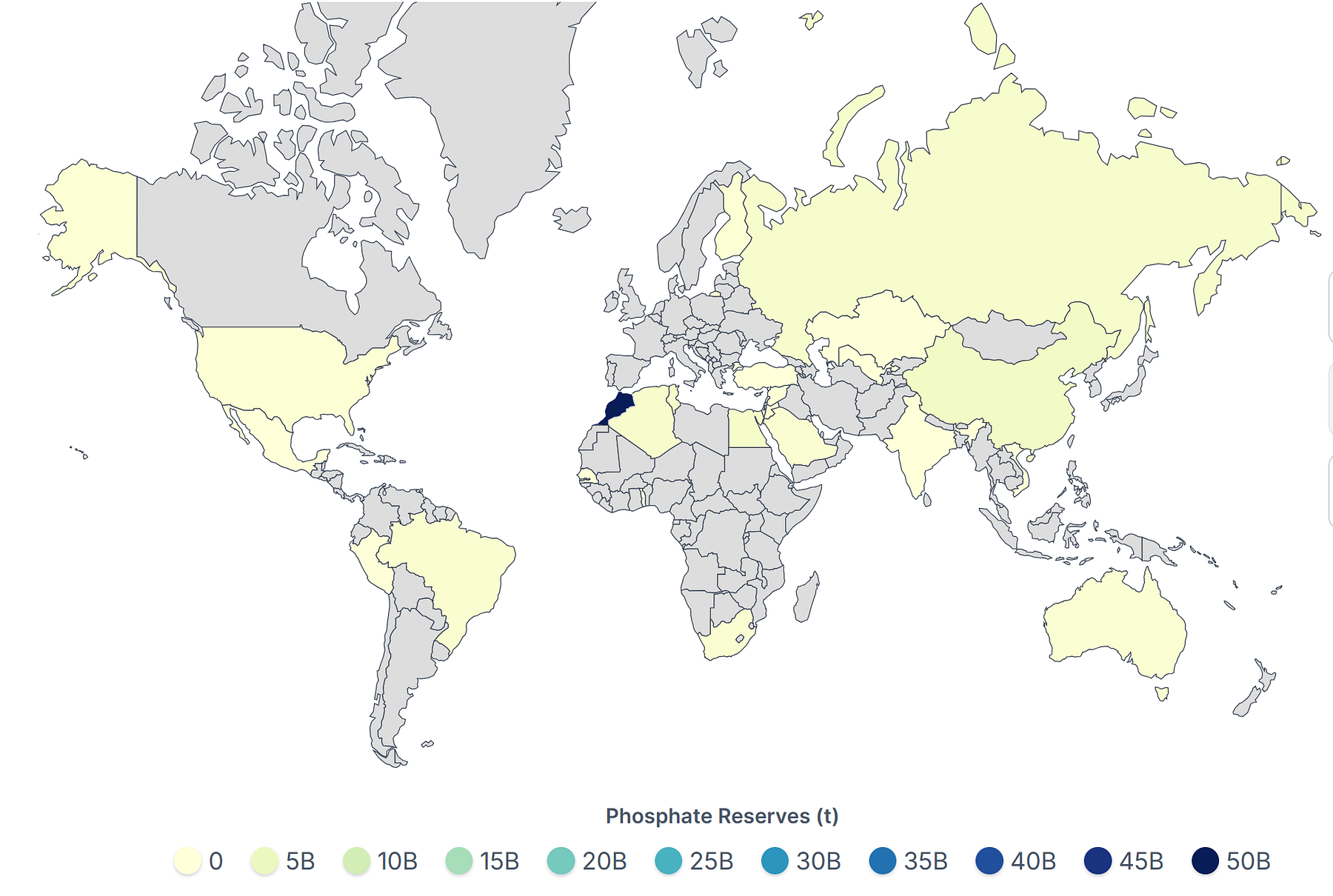
Reserve concentration is part of why this stays tense. For a quick snapshot of who holds what, see phosphate reserves by country.
Why this could still turn into a food and cost crisis, even before any mine runs dry
In everyday life, phosphorus shows up as a line item on a fertiliser bill. When that bill jumps, farmers don’t just “absorb” it. They cut back, borrow more, or take risks with timing.
Then the effects travel: lower application can mean lower yields, and lower yields can mean higher prices.
This is why phosphorus risk behaves like fuel risk. A rumour, a shipping delay, or a border decision can ripple into markets.
Fertiliser buyers pay more, then food buyers pay more. The poorest feel it first, because food inflation is a tax that doesn’t ask permission.
Meanwhile, we quietly raise demand for mined phosphorus through avoidable losses:
- Soil erosion carries phosphorus away from fields.
- Over-application leaves surplus to wash off in rain.
- Food waste throws nutrients into bins, not back into soil.
- Manure piles in the wrong places become a disposal problem, not a fertiliser.
Even rich farmland can become “hungry” if the nutrient keeps leaking out.
We don’t just need more phosphorus, we need less loss.
Most of the world’s phosphate is in a few places, and Morocco dominates
Phosphate rock isn’t evenly shared. Morocco holds over 70 percent of global reserves by many estimates (roughly 50 billion tonnes). China, Egypt, Tunisia, and Russia also matter.
India, by contrast, has only about 31 million tonnes of reserves, tiny in global terms.
That geography turns phosphorus into geopolitics. When supply sits in a few hands, everyone else depends on trade.
Trade means freight costs, currency swings, port delays, sanctions risk, and diplomatic bargaining. It also means that “global market price” becomes a daily reality on a farmer’s ledger.
For baseline reserve and production context, the USGS phosphate rock summary is one of the clearest public references.
We waste phosphorus at every step, then pay to clean it up
Phosphorus is a strange guest. On farms, we invite it in. In lakes and rivers, we spend billions trying to escort it out.
When excess phosphorus runs off fields, it can feed algal blooms. Water turns green, oxygen drops, fish die, and treatment costs climb.
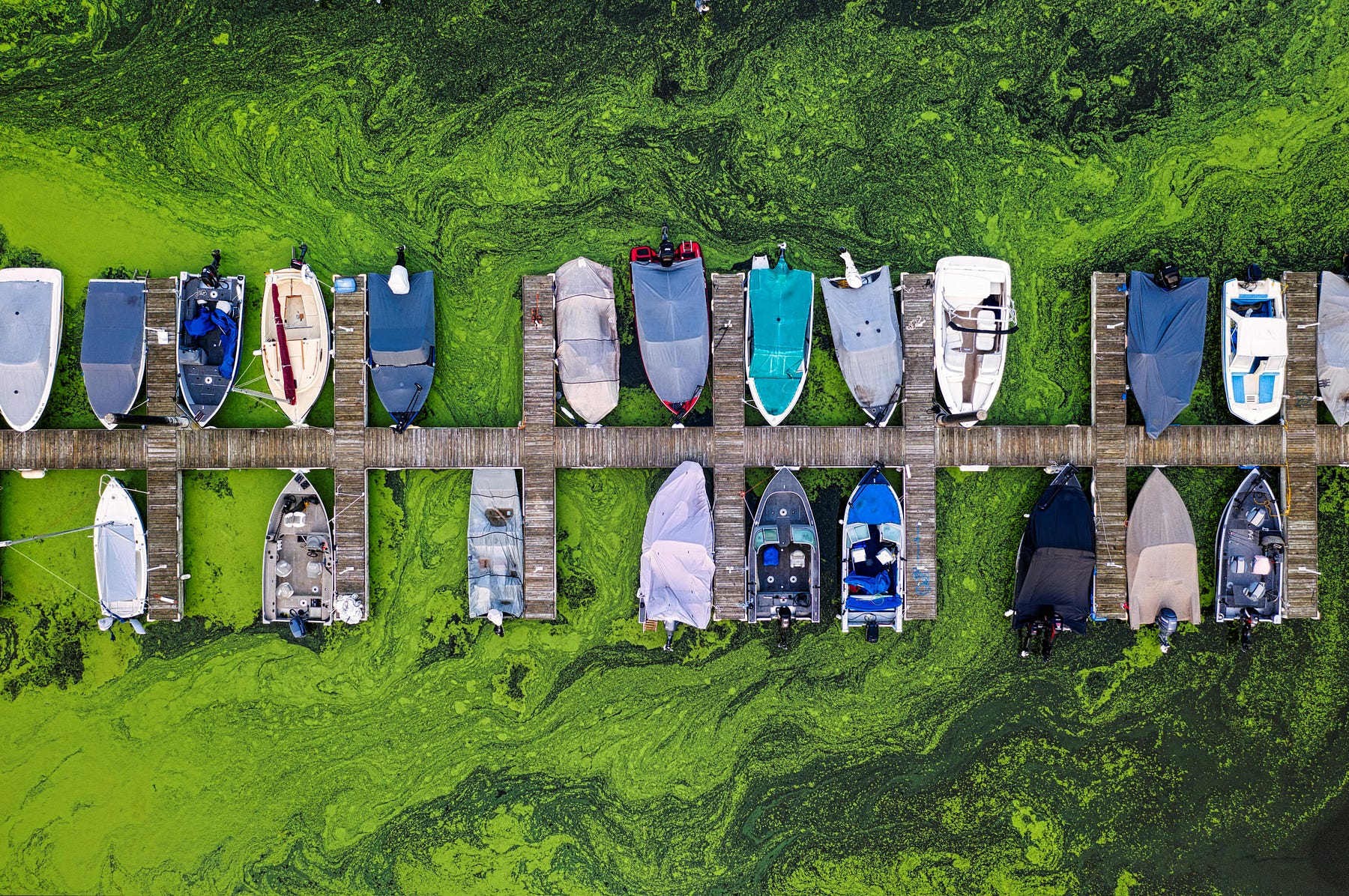
People might hear about “dead zones” and think it’s far away. Yet the same pattern plays out from local ponds to major river systems.
This is the cruelty of the current cycle: we mine a finite nutrient, apply it, lose a chunk of it, then pay again to clean it from water.
A nutrient shortage and a water pollution crisis can be the same problem, just viewed from two different shores.
How we avoid the worst outcomes, use less, lose less, and recycle more phosphorus
No single fix will carry us. What works is a portfolio: use phosphorus more efficiently on farms, waste less through the food chain, and recover more from what we throw away.
None of this requires magic. It requires attention, investment, and rules that reward good practice.
The goal isn’t purity. It’s resilience. When a country can meet more demand with less imported input, it gains breathing room.
Smarter fertiliser use can protect yields and cut dependence on imports
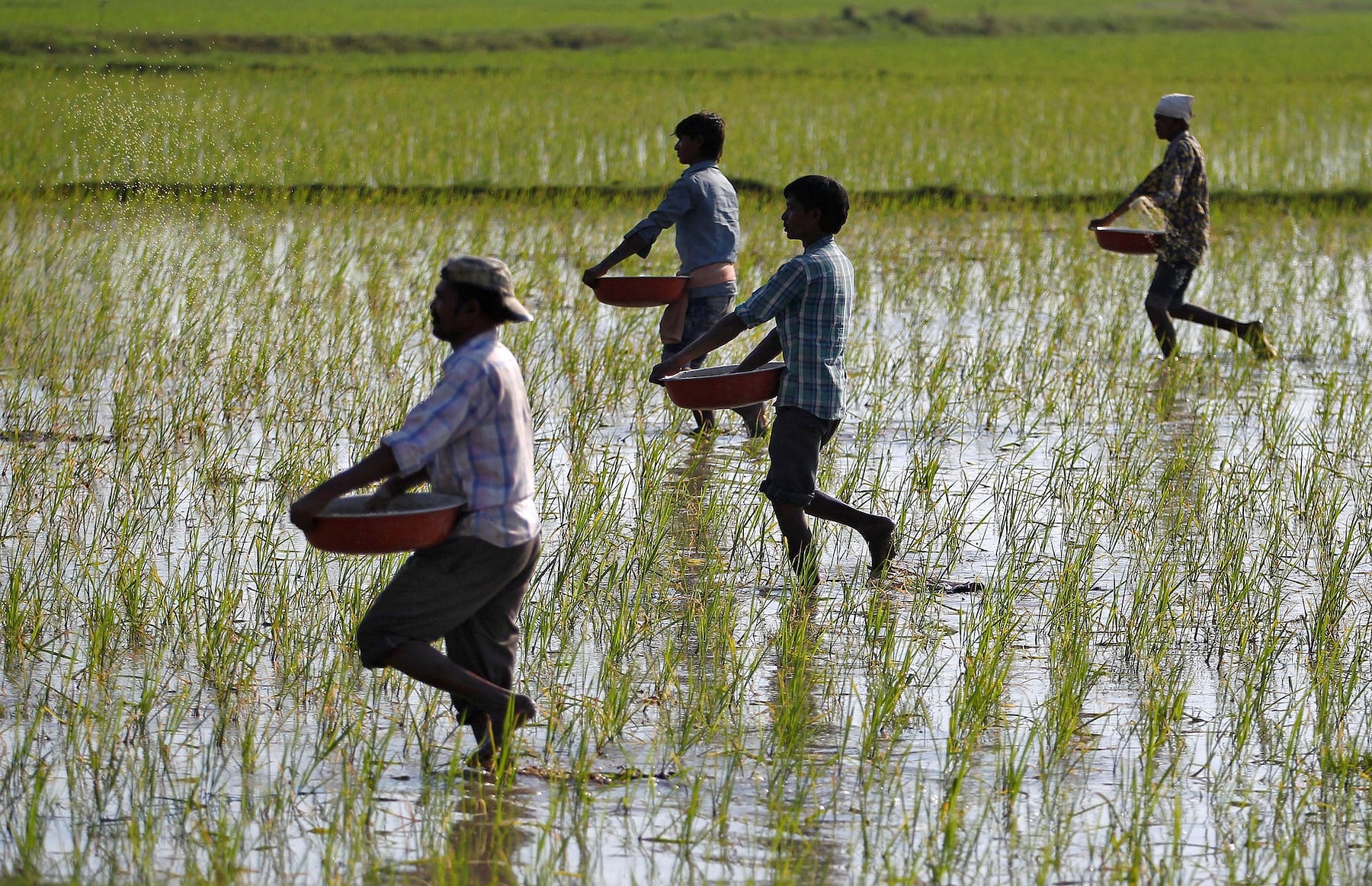
First, we stop treating fertiliser as a habit and start treating it as a decision. Soil testing helps, because it tells farmers what’s already there. Right rate, right time, and right placement also matter.
Applying phosphorus closer to the root zone can cut losses. Balancing N-P-K helps too, because excess of one nutrient can waste another.
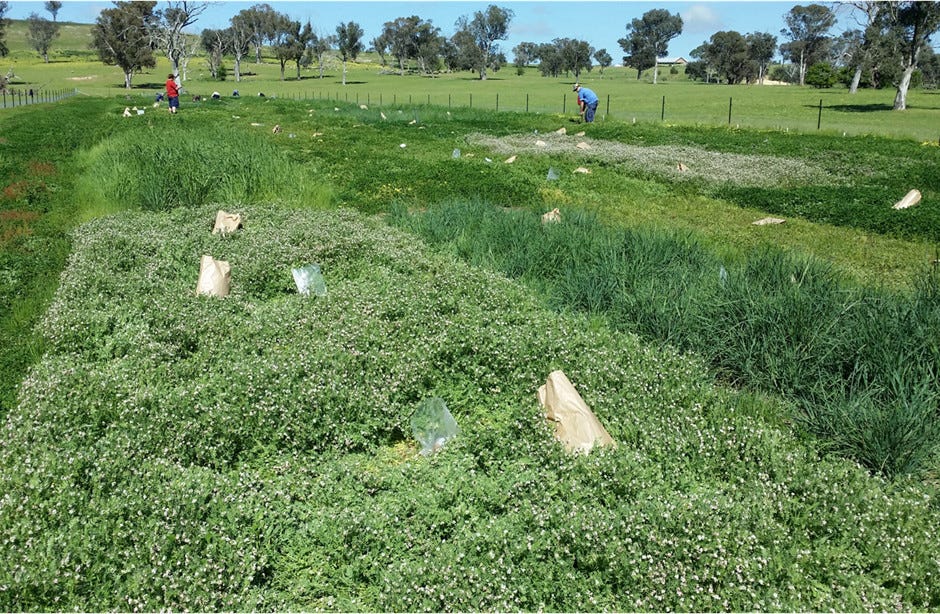
Erosion control is not “extra”. It’s phosphorus protection. When soil stays put, phosphorus stays put. Simple steps such as cover crops, contouring, and better residue management can keep nutrients on the field.
In India, pricing and subsidy design shape behaviour. When global prices jump, the pressure hits fast. Reuters reported India’s imports were heading for a record value in the 2025 to 2026 fiscal year, a sign of deep reliance on overseas supply, see India fertiliser imports set for record $18 billion.
Recycling phosphorus from wastewater, manure, and food waste is the hidden “new mine”
Cities are nutrient magnets. They pull in food, then push nutrients out through drains and bins. If we capture phosphorus there, we reduce the need to mine it elsewhere.
Wastewater offers one path. Treatment plants can recover phosphorus from sludge, sometimes as a product called struvite (a crystal that can work as fertiliser).
The point isn’t the fancy name. The point is turning a blockage and disposal headache into a usable input. For a recent example of struvite recovery research, see struvite as a sustainable fertiliser.
Manure and food waste matter too. Managed well, they return nutrients to soils. Managed poorly, they become methane, stench, pathogens, and runoff.
The barriers are real: collection systems, contamination worries, regulation, and the question of who pays upfront. Still, this is where the loop can be reconnected.
Farms fed cities, so cities can help feed farms back.
Conclusion
Phosphorus is essential, finite, and unevenly distributed, so the risk is economic and political as much as geological. Even if reserves last centuries on paper, farmers can’t farm on paper.
They farm on prices, supply, and timing. For India, import dependence makes this urgent, because shocks travel quickly into fields and kitchens.
The way forward is plain: use less, lose less, and recycle more, so mined rock becomes a backup, not a lifeline.
Support soil testing, push for lower food waste, and back investments in nutrient recovery.
Our food security depends on closing the loop, BEFORE the loop closes on us.