Cut the Mangroves, Count the Casualties
The wind starts to howl, then the rain comes in sheets. The sea doesn’t look like water anymore, it looks like it’s climbing.
Tin roofs rattle, doors bow, and the road outside disappears under brown floodwater. Phones go quiet as towers fail. A clinic generator sputters, then stops…
After the storm, people ask the same question: why did it get this bad?
Sometimes the missing detail is simple. The mangrove belt is gone. The trees that used to stand between homes and open sea were cleared, thinned, or poisoned slowly.
When that happens, a cyclone stops being “just” a disaster and becomes a humanitarian emergency, with avoidable deaths, displacement, disease, hunger, and long recovery.
Let’s talk about what mangroves do during storms, why we’re losing them, and what can be done before the next landfall.
How mangroves turn a violent storm into something people can survive
Storms don’t only destroy with wind. Coastal communities often lose most from water: storm surge, waves, and fast flooding that gives families no time.
Mangroves are not a magic wall, but they change how water behaves.
That shift can decide whether a village gets a hard hit, or a total collapse.
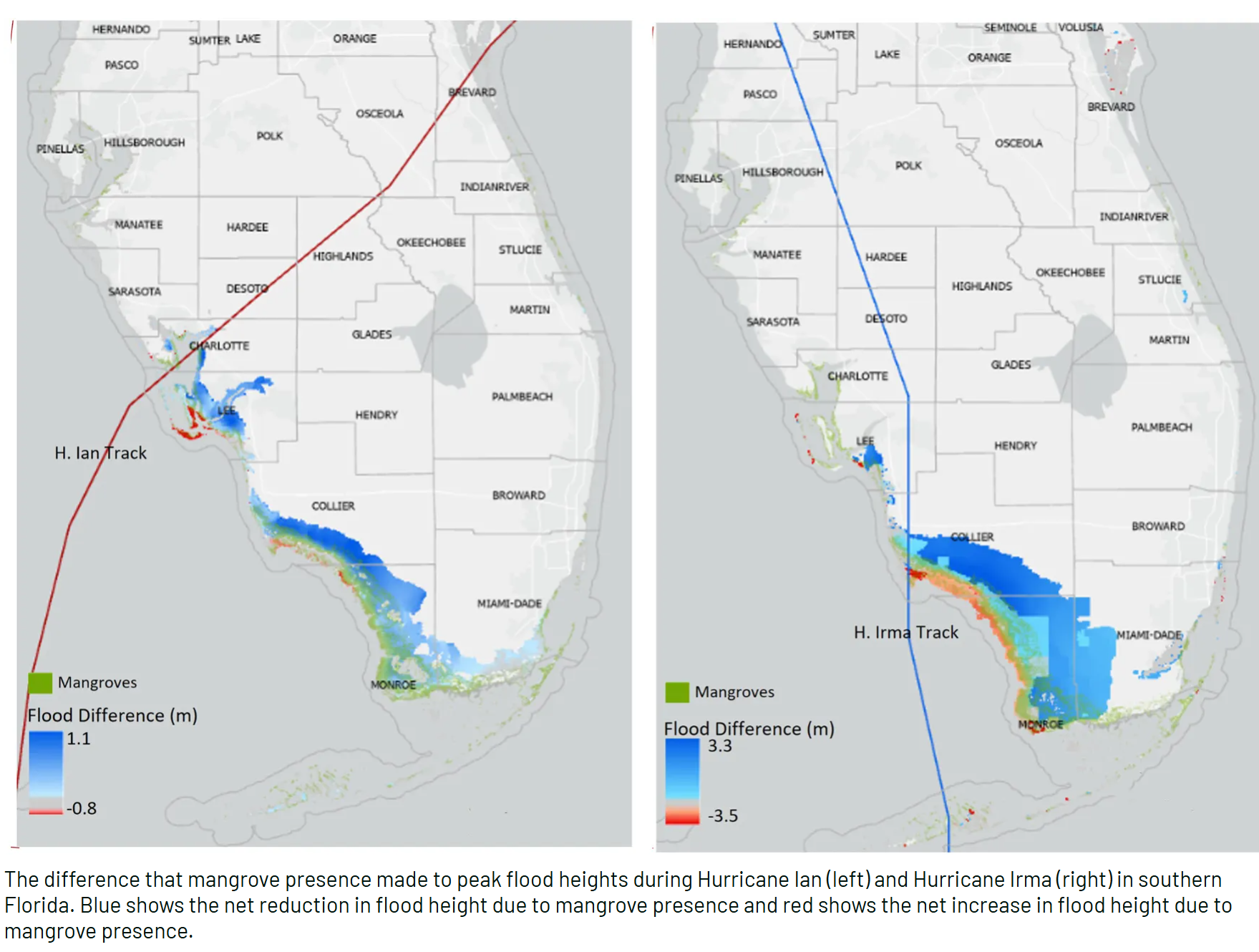
Researchers have found that mangroves can reduce flood depths and damages behind them, because they slow and spread incoming water.
The effect varies by location and width of forest, but the direction is consistent. When mangroves stand in the way, the surge hits friction and clutter, not open ground (see the research summary in Mangroves shelter coastal economic activity from cyclones).
That matters for daily life, not just property. With less force pushing inland, fewer homes snap apart. Roads stay passable for longer, so ambulances and relief trucks can move.
Wells are less likely to turn salty, so families don’t have to drink from dirty puddles. Even small reductions in flooding can protect a school’s books, a shop’s stock, and a ration card kept in a tin box.
Mangroves don’t “stop” storms. They stop storms from taking everything at once.
A living speed bump for storm surge and waves
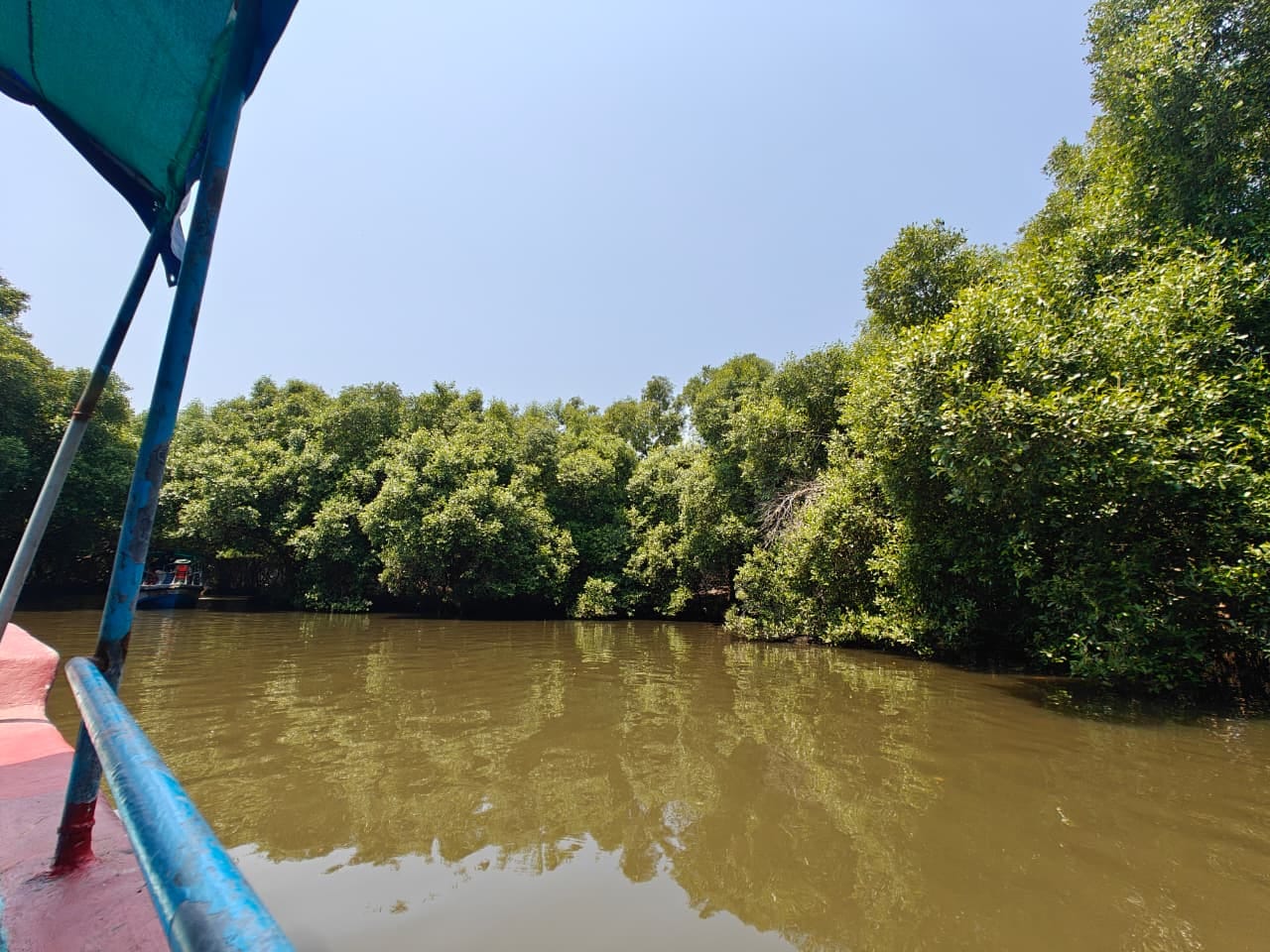
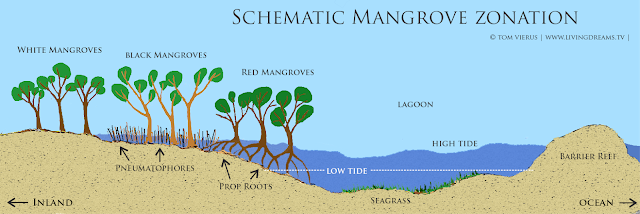
Mangroves work like a living speed bump. Their roots tangle through mud, and their trunks stand close together. As water rushes in, it meets resistance.
The flow slows, wave energy breaks up, and the surge loses power before it reaches the first row of houses.
Just as important, mangroves hold the coast in place. They trap sediment and reduce erosion over time.
Without them, shorelines can crumble during a single storm, eating into roads, embankments, and house foundations.
Still, width matters. A thin strip can help, but it’s easier for water to punch through gaps. A wide belt performs better because it forces waves to fight friction for longer.
Think of it as the difference between a single locked door and a long corridor of locked doors.
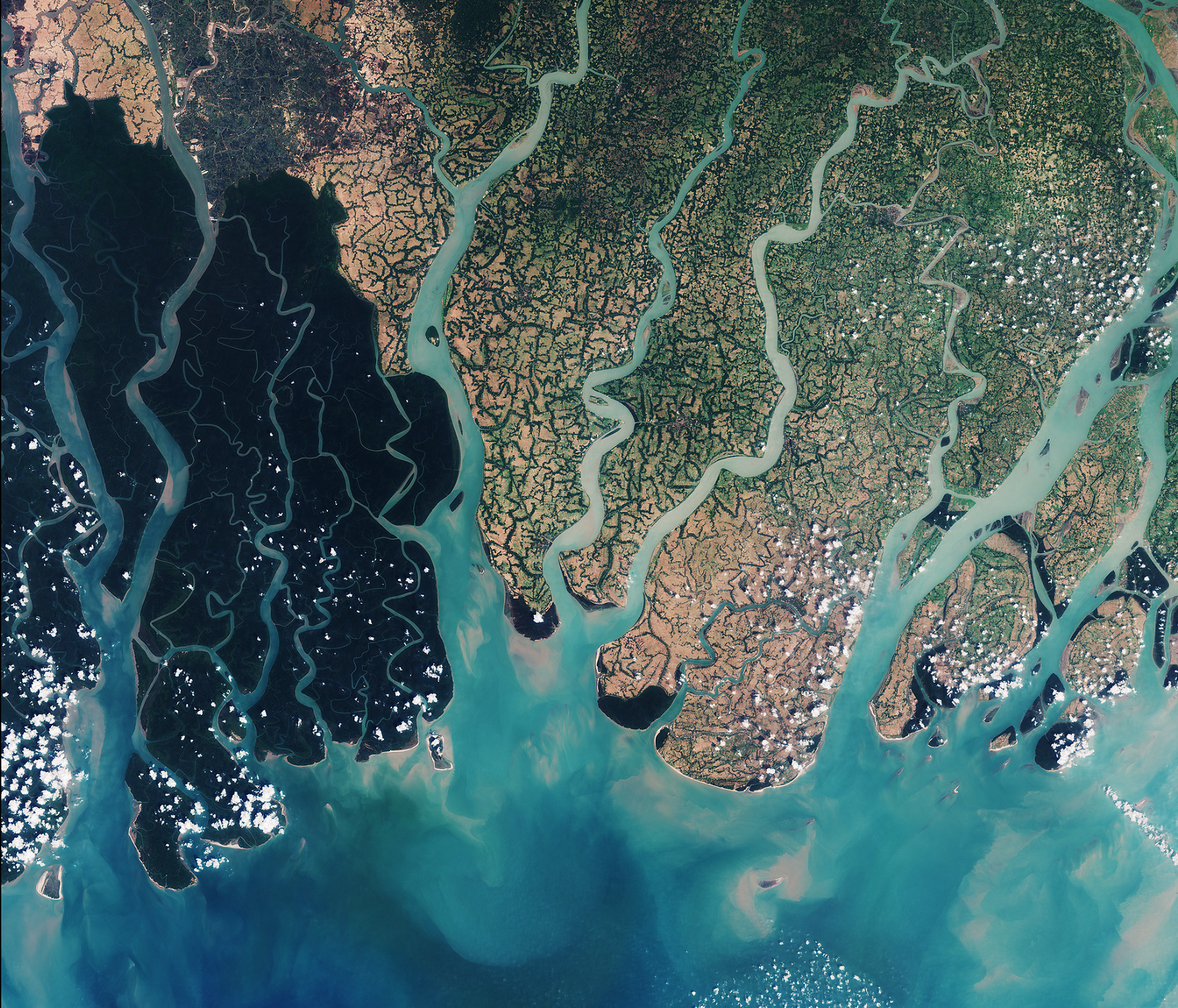
In deltas like the Sundarbans, mangroves also sit in the messy zone where rivers meet sea. That zone takes the brunt of storm surge.
When mangroves disappear there, the sea reaches further inland, and the damage spreads faster to places that never planned for saltwater.
Why the damage becomes a humanitarian crisis when the trees are gone
When mangroves fall, the storm’s impact shifts from nature to the systems we rely on. First come injuries and deaths during flooding. Then comes mass displacement, because homes become unsafe or simply vanish.
Next, crowded shelters create new risks. Toilets overflow or break. Sewage mixes with floodwater. People drink what they can find.
Diarrhoea outbreaks follow, and children get hit hardest. Meanwhile, power cuts don’t only mean darkness, they mean no refrigeration for medicines and no charging for phones.
As a result, families can’t receive warnings or call for help.
Blocked roads turn relief into a race. A delayed water tanker or a delayed medical team can tip a bad situation into tragedy.
After the headlines, “slow disasters” begin. Families take loans at harsh rates to rebuild.
Teenagers drop out of school to earn. Migration becomes forced, not chosen. Risks also pile up for women, children, older people, and people with disabilities, because unsafe shelters and broken services always punish the least protected.
Why we are losing mangroves, even when we know storms are getting stronger

Mangrove loss isn’t a mystery. It’s a chain of decisions, often sold as “development”, where short-term gain gets more respect than long-term safety.
Yes, climate change adds pressure through sea-level rise and hotter conditions. Yet in many places, local damage arrives first. A forest doesn’t need a global crisis to die.
It can be choked by sewage, cut for a road, or drained for a pond.
Global reviews point to a familiar set of drivers: coastal land conversion, aquaculture expansion, and changes to water flow and sediment (a clear roundup appears in Mangroves are disappearing — we read 200 scientific papers to find out why).
India sits inside this story, not outside it. Cyclone-prone coasts in Odisha, Andhra Pradesh, West Bengal, Tamil Nadu, and the Andaman and Nicobar Islands all face pressure to “make room” for projects.
Similar pressures play out in Florida, the Philippines, Nigeria, and Indonesia. Different flags, same logic.
Coastal development that treats mangroves as “empty land”
Mangroves often look like wasted space to people who don’t live beside them. They’re muddy, mosquito-prone, and hard to build on. So they get labelled “vacant” and filled in.
Ports, highways, real estate, resorts, and land reclamation can slice mangrove forests into fragments. Channels get cut, wetlands get filled, and tidal flows get disrupted.
Then the remaining trees weaken because the water they need no longer arrives the right way.
Hard seawalls add another problem. They may protect one stretch of coast, but they can shift erosion down the line.
A nearby village pays the price. Mangroves, on the other hand, reduce risk across a wider area because they work with waves, not against them.
Aquaculture, logging, and pollution that quietly kill the roots
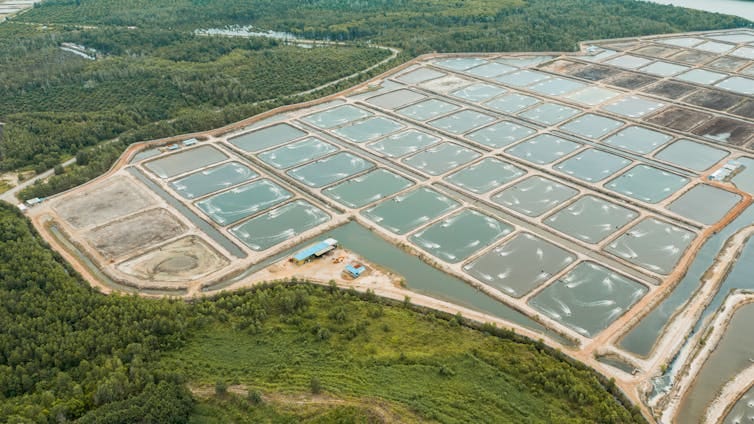
Shrimp farms and salt pans can replace forests with ponds. The change looks neat on a map, but it can leave behind salty, degraded soil that struggles to recover. Even where farms remain productive, nearby waterways can suffer from waste and altered flows.
Fuelwood cutting is another quiet pressure, especially where clean cooking is costly. Add plastic waste, sewage, and chemical runoff, and mangrove creeks start to suffocate.
Upstream dams can also trap sediment and change freshwater supply, which weakens mangroves over time.
In other words, mangroves don’t always die with a chainsaw. Many die by a thousand small insults.
What protecting mangroves looks like when people need jobs, safety, and dignity
The best argument for mangroves isn’t poetry, it’s pragmatism. Rebuilding again and again is expensive, exhausting, and unfair.
A mangrove belt is not “extra”, it’s public safety infrastructure that grows on its own when we stop harming it.
Still, protection can’t mean pushing local people out, or turning coasts into museums. Fishers, honey collectors, and crab gatherers often know these forests better than visiting experts.
So solutions must pair safety with livelihoods, and rules with respect.
Protect what is left, then restore what was lost (the right way)
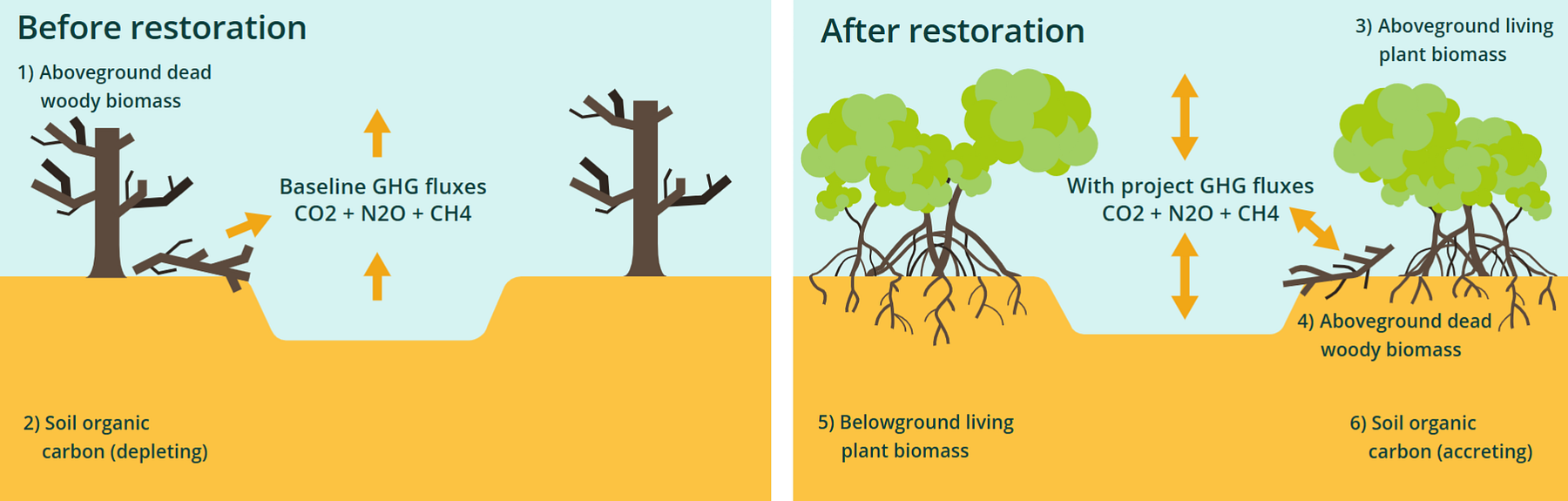
Restoration fails when it becomes a photo-op. Planting seedlings in the wrong place can waste money and create false confidence.
Good restoration follows a simple idea: right place, right species, right water flow.
If the tides can’t reach the site, young mangroves won’t survive. If the soil is wrong, roots rot. If pollution continues, saplings become symbols, not forests.
That’s why best practice guidance stresses planning and long-term care, not just planting days (see Best Practice Guidelines for Mangrove Restoration).
Community stewardship helps too. Local mapping, simple monitoring, and shared ownership can keep new growth alive. So can basic fixes like stopping dumping, protecting wide buffers, and keeping natural creeks open.

Make mangroves part of disaster planning, not a side project
Mangroves should show up in hazard maps, budget lines, and building rules. If a coastline has lost its mangrove cover, planners should treat it as higher risk, because it is.
That means no-build zones in the most exposed areas, plus safer housing where people already live.
It also means raising critical facilities like clinics, water points, and schools, so one storm doesn’t wipe out every service at once.
Evacuation routes matter too. Roads shouldn’t cut through wetlands in ways that block water flow.
Early warning systems need last-mile reach, including for people without smartphones. Relief plans should prioritise clean water and sanitation fast, because disease spreads after the wind dies.
Measure success by what doesn’t happen: fewer displaced families, fewer children falling sick, faster school re-opening.
Finally, finance needs accountability. Pay for long-term care, not one-time planting. Involve fishers and women’s groups in decisions, because they live with the outcomes.
Conclusion
Losing mangroves turns storms into humanitarian disasters, because it removes the buffer that keeps flooding, disease, and displacement from cascading.
The mangrove shield is not sentimental, it’s survival with roots.
So notice the mangroves near you, whether you live in Odisha or outside India.
- Question projects that clear them and call it progress.
- Support restoration that protects livelihoods, not just shorelines on paper.
- Push local leaders to treat mangroves like essential safety infrastructure.
A safer future doesn’t have to look heroic. It can look ordinary: a village still standing, clean water still running, and a school opening again within days.

Saket Sambhav is the founder of WriteToWin, India’s premier environmental writing competition for school students. A legal professional and DBA candidate in sustainability, he launched WriteToWin to shift generational mindsets – empowering students to make conscious choices and protect the planet. He also mentors young eco-entrepreneurs, nurturing the next wave of climate leaders.