
The Blue-Blooded Ancient Creature Modern Medicine Is Bleeding Dry
© Xing Wang/Dreamstime.com
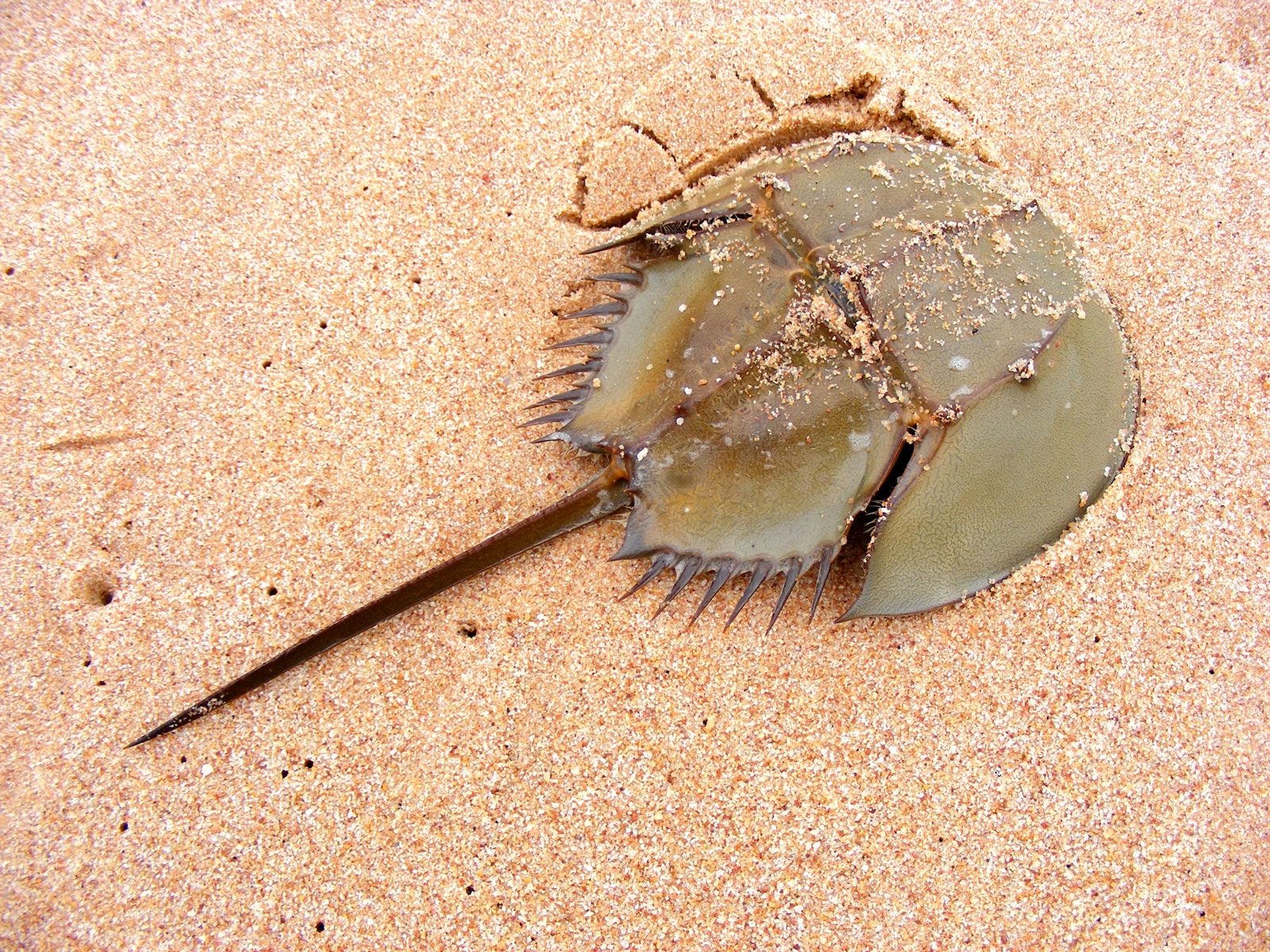
On a sunbaked beach, a horseshoe crab moves like a living fossil, slow, stubborn, unbothered by our calendars. In a lab, that same animal becomes something else, a vial of bright blue blood that helps keep vaccines, injections, and implants safe.
That blue blood is why modern medicine trusts horseshoe crabs. It can spot dangerous bacterial toxins at tiny levels. But the way we get it comes with a cost.
Around 700,000 horseshoe crabs are caught each year for biomedical bleeding, and up to about 30% may die after the process, depending on handling and conditions. Even survivors can struggle to spawn.
This isn’t just an Atlantic coast issue. It’s a global supply chain story, affecting patients in the US, India, and everywhere medicines travel.
Why horseshoe crab blood is used to keep medicines safe (and why it is bright blue)
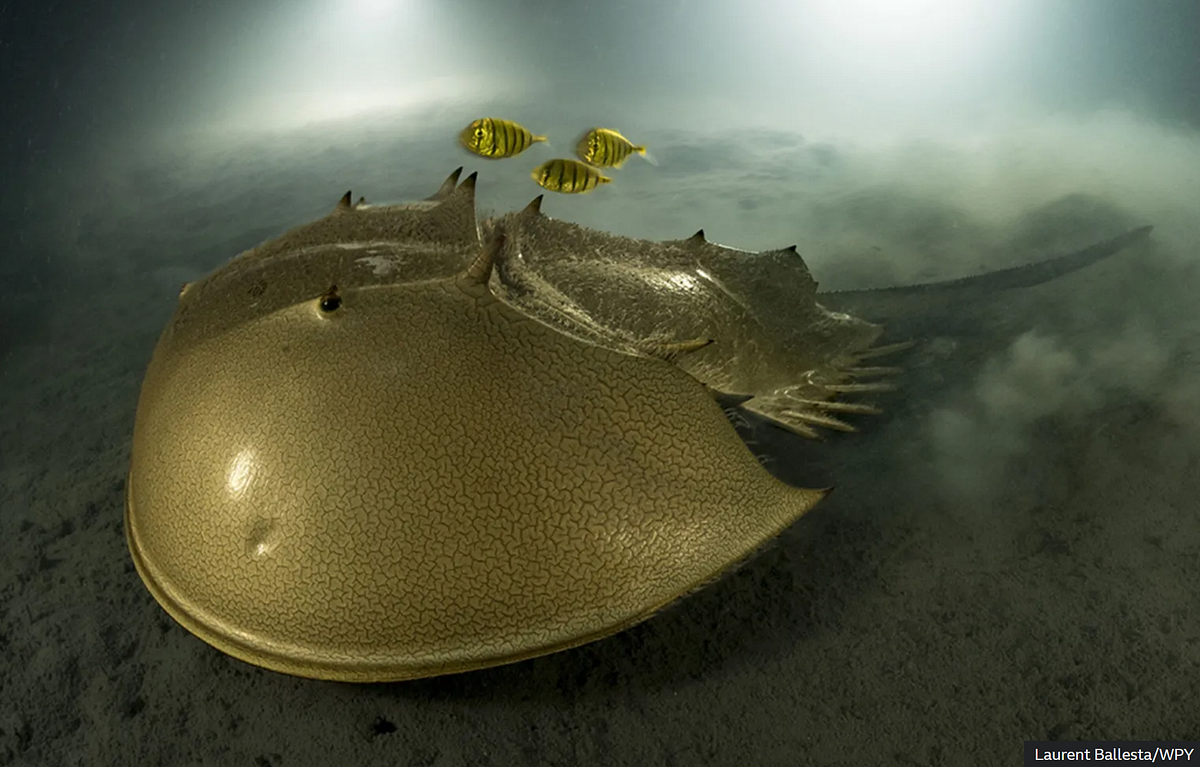
Horseshoe crabs aren’t “true crabs”. They’re closer to spiders and scorpions, and they’ve been around for hundreds of millions of years.
Their blood looks blue because it uses copper (not iron) to carry oxygen.
What matters for medicine, though, isn’t oxygen. It’s a defence.
When scientists make vaccines or IV drugs, they must keep them free of bacterial toxins called endotoxins. These toxins can come from common bacteria and can trigger fever, shock, or worse if they enter the bloodstream. So regulators require strict testing of drugs and many medical devices.
That’s where LAL testing comes in.
LAL stands for Limulus amebocyte lysate, a substance made from horseshoe crab blood cells. In simple terms, it acts like an alarm system for contamination.
If endotoxins are present, LAL reacts fast, even when the amount is tiny. For background on how this test works and why it became a standard, see an explainer on Limulus amebocyte lysate.
Medicine needs tests that are boringly reliable. The tragedy is that “reliable” has meant “wild-caught”.
The simple science: a natural alarm system for bacterial toxins
Inside the horseshoe crab blood are cells that rush to trap invading microbes. When endotoxin shows up, a chain reaction begins. The blood gels and clots around the threat.
That clotting reaction is exactly what labs borrow. LAL doesn’t ask for a microscope or a guess. It produces a measurable change that signals danger. Because injections bypass the body’s usual defences (skin, stomach acid), this sensitivity matters.
A swallowed toxin might be unpleasant. The same toxin injected can be catastrophic.
In other words, horseshoe crabs don’t just “help” medicine. They help medicine avoid the kind of invisible mistake no one gets to undo.
From beach to lab: what “bleeding” looks like in practice
The process sounds clinical, yet it starts outdoors.
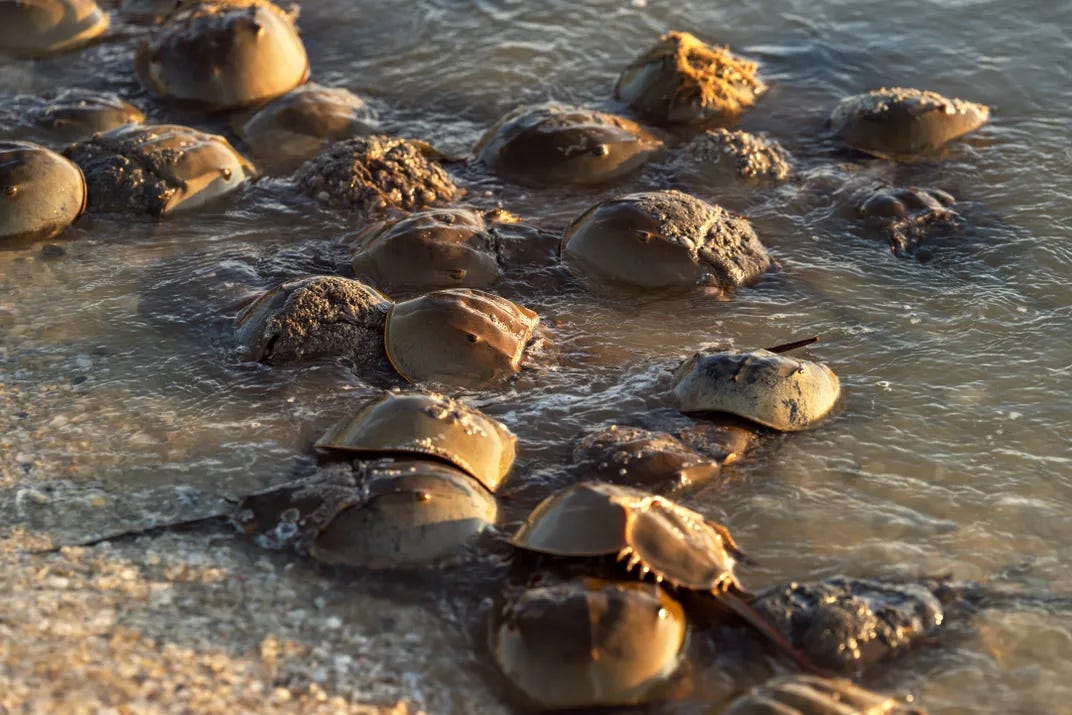
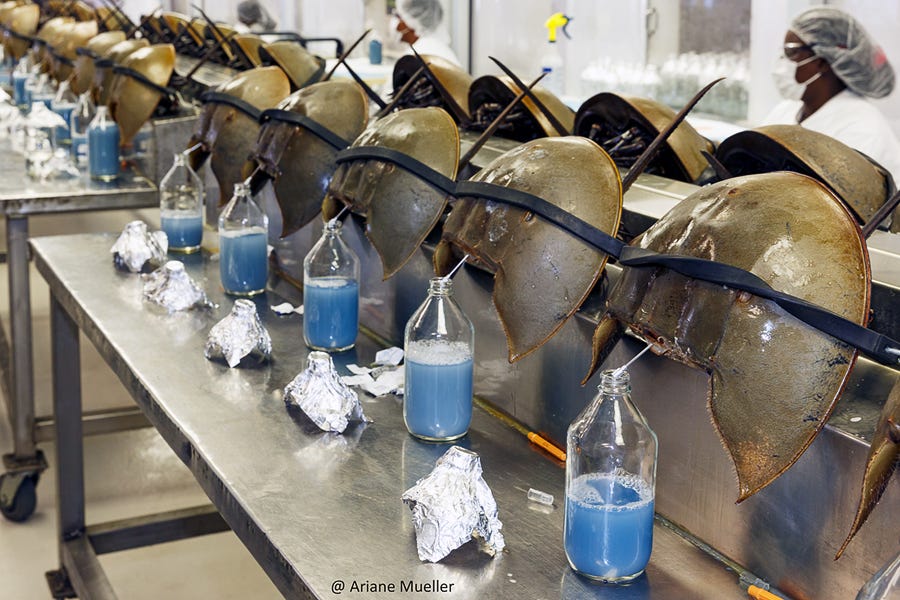
Collectors capture horseshoe crabs, often around spawning season when they gather near shore. They’re transported to biomedical facilities, where technicians insert a needle and draw a portion of blood. The animals are then returned to the water.
The ethical problem isn’t only death. Reports commonly cite mortality up to about 30% in some conditions. Even when crabs live, stress can leave them disoriented.
Some become less likely to spawn. For a species that already depends on the right tide, the right beach, and the right timing, “alive” doesn’t always mean “okay”.
The hidden cost: how bleeding and harvesting ripple through coastal ecosystems

Picture a shoreline as a kitchen. If one ingredient disappears, the whole menu changes.
Horseshoe crabs feed fish and turtles, but their biggest gift is eggs. Each spring, females bury clusters in sand, creating a living pantry for migrating birds.
When crab numbers fall, egg density drops too. That can turn a refuelling stop into a hunger trap.
Tracking horseshoe crab populations is also hard. They move across state waters, and counting animals in surf and sand is messy work. So you’ll often hear that stocks are “mixed” or “stable”.
Those words don’t mean “safe”. They can hide local crashes, especially near heavily used beaches.
Meanwhile, habitat loss keeps tightening the net. Sea walls, beach development, and erosion can reduce the very strips of sand crabs need to spawn.
So even a moderate mortality rate from bleeding becomes a bigger threat when the beach itself is shrinking.
A food web built on eggs: why shorebirds like red knots are part of this story
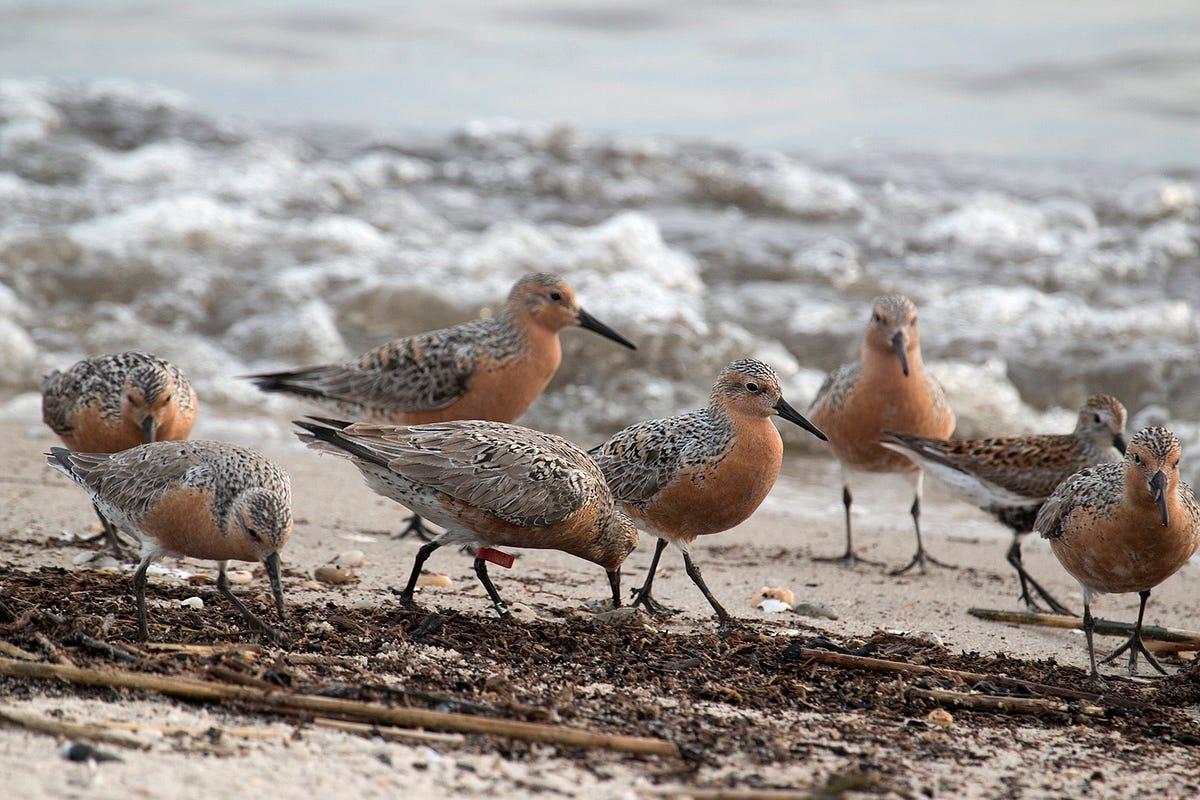
Red knots migrate astonishing distances and arrive at key stopovers, such as Delaware Bay, with a problem. They’re running low on fuel.
Horseshoe crab eggs are the high-fat meal that helps them gain weight quickly for the final flight north.
Timing is everything. Birds arrive when eggs should be plentiful. If spawning shifts, or if fewer crabs lay eggs, birds can leave underweight.
That reduces survival and can cut breeding success months later in the Arctic.
This is why conservation groups push so hard for crab protections. It’s also why the story isn’t just about one species. For more context on habitat work that supports both crabs and shorebirds, read the U.S. Fish and Wildlife Service update on shoring up beaches.
Not just medicine: bait fishing, beach damage, and the slow squeeze on spawning sites
Biomedical bleeding isn’t the only pressure. Many horseshoe crabs are also harvested for bait, especially for eel and whelk fisheries.
On top of that, beaches face constant disturbance from development, storms, and armouring.
These stressors stack.
A crab that survives bleeding might still fail to spawn if it returns late, weak, or disoriented. A beach that gets replenished with the wrong sand can make egg laying harder. Add rising seas, and the spawning zone gets squeezed between waves and walls.
The result is simple: fewer crabs, fewer eggs, fewer birds, and a coastal system that loses one of its oldest rhythms.
How we stop bleeding horseshoe crabs dry without risking patient safety
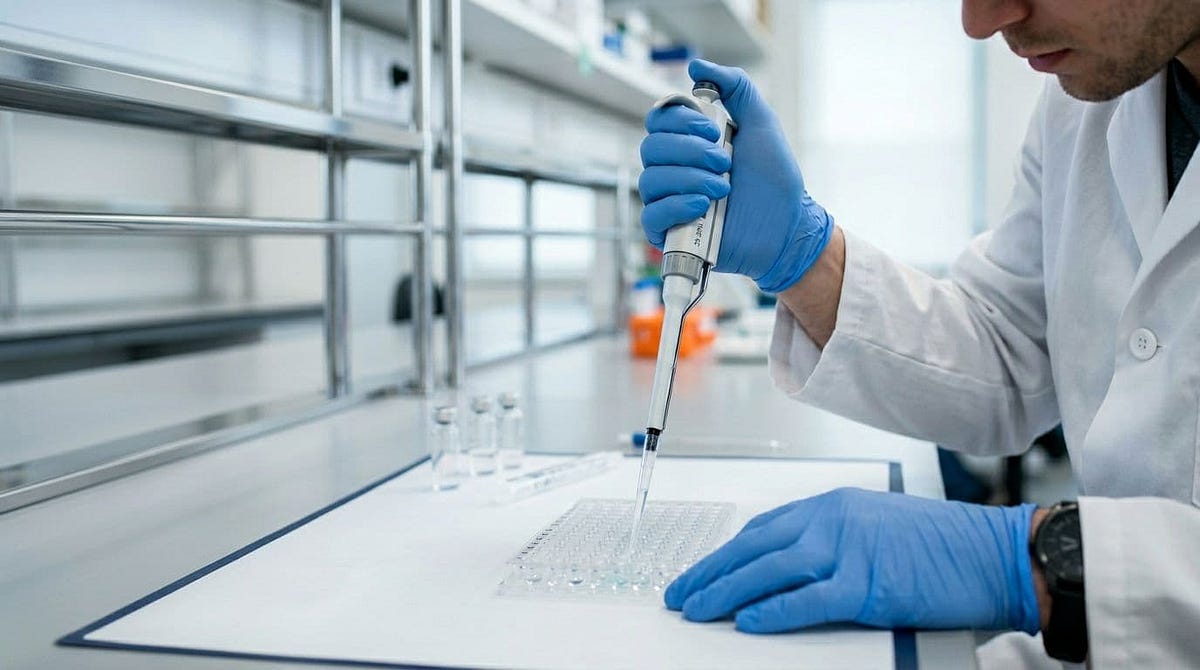
There’s a stubborn myth that we must choose: save humans or save horseshoe crabs. That’s false. Patient safety is non-negotiable, but the source of the test doesn’t have to be wild blood.
Policy is shifting, slowly. In Delaware Bay, regulators have used male-only harvest rules (no females) to protect egg supply, and 2026 management continues that conservative direction.
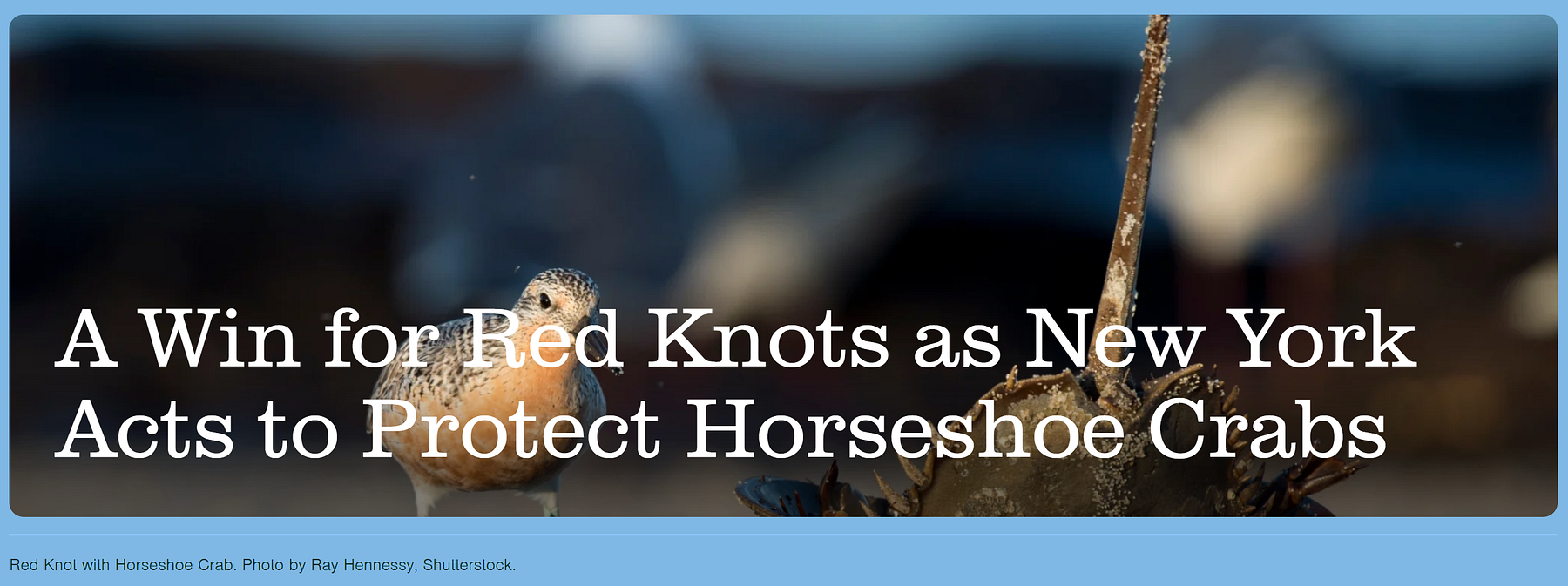
New York has gone further, passing a phase-out that starts in 2026, with a path to a full ban by 2029. The details vary by state, but the signal is clear: public patience is thinning.
American Bird Conservancy summarises the New York move in its coverage of the Horseshoe Crab Protection Act.
Synthetic alternatives: what they are, why they matter, and what is holding back the switch
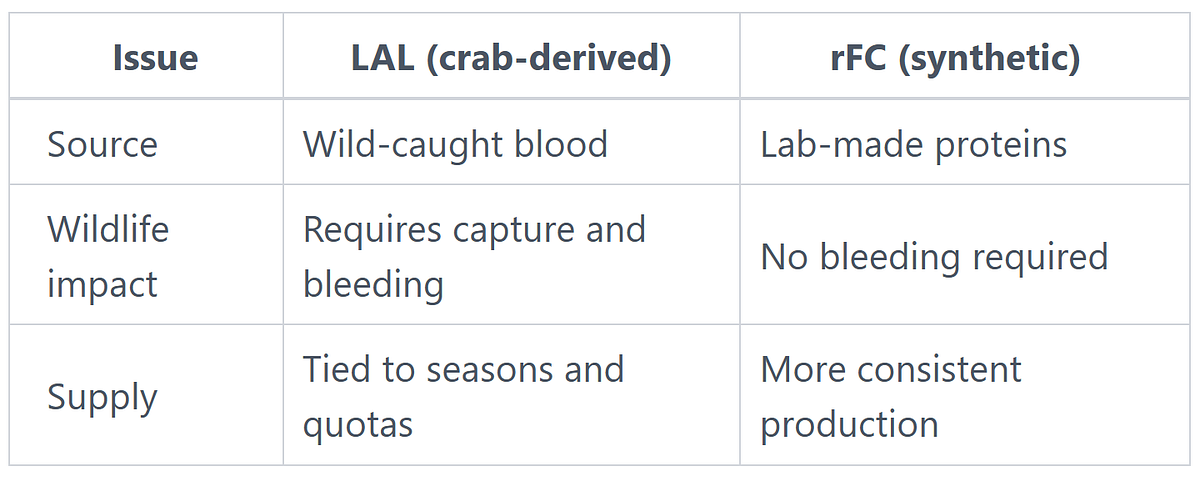
A synthetic alternative is a lab-made test that copies the key part of the horseshoe crab reaction. The best-known option is recombinant Factor C (rFC). It detects endotoxin without needing live crabs.
Here’s the practical trade-off:
So why hasn’t everyone switched?
Validation takes time. Companies must prove the alternative works for each product type. Some firms also stick with what auditors already recognise. Habit can be powerful in regulated industries.
Still, the door is open. USP recognition has helped, and pressure is rising. Nature’s editorial case is blunt, see the call for pharma to embrace synthetic alternatives.
Good management protects the ecosystem and demands transparency from industry.
That can include male-only harvest caps, seasonal closures during spawning, and tighter controls on transport and handling. It also means better reporting, independent audits of mortality, and clear targets for reducing crab-derived testing where validated alternatives exist.
Above all, regulators can reward the right behaviour. Faster review pathways, procurement preferences, and public reporting can make “animal-free” the default, not the brave exception.
Conclusion
A horseshoe crab on a beach looks like a small thing. Yet its blue blood sits quietly behind modern medicine’s promise: safe vaccines, clean IV drugs, and devices that don’t poison the body.
Still, the current system harms the species we depend on, and it also risks the coastal food web built on crab eggs. The fix isn’t mystical. It’s paperwork, lab validation, and the courage to update a standard when a better option exists.
If pharma companies scale up synthetic tests, and regulators speed safe transitions, we can protect patients without emptying the sea of its ancient guardians.
The question is whether we treat this as urgent now, or wait until the beaches fall silent…

Saket Sambhav is the founder of WriteToWin, India’s premier environmental writing competition for school students. A legal professional and DBA candidate in sustainability, he launched WriteToWin to shift generational mindsets – empowering students to make conscious choices and protect the planet. He also mentors young eco-entrepreneurs, nurturing the next wave of climate leaders.