A hot summer day, fans spinning, lights flickering, then a power cut. Minutes later, clouds burst and streets fill with water. Vegetables cost more at the market, and the news shows another flooded town. That is how India’s climate change impacts feel at ground level.
Climate change is simple at its core. The planet is warming because of heat-trapping gases from cars, factories, and power plants. Warmer air holds more moisture, so some places get heavier rain, while others dry out. Storms grow stronger. Seasons shift.
India is especially exposed. We live with harsh heat, depend on the monsoon for water and crops, have long coasts, many rivers, and dense cities. When the weather turns extreme, many people feel it at once. Farmers, city workers, students, families, and small business owners all deal with the ripple effects.
This guide gives plain-language answers, clear examples, and useful steps you can take. We cover heat waves in India, monsoon changes, flooding and drought, and sea level rise in India, so you can plan with confidence.
Why India Is on the Frontlines
- Heat: Large parts of India already sit near the limits of safe heat. A few extra degrees push days from hard to dangerous.
- Monsoon dependence: A normal monsoon feeds rivers, fills reservoirs, and restores soil moisture. Even small shifts can affect food, power, and jobs.
- Coastlines and rivers: Long coasts and major river basins multiply the risk of floods and cyclones.
- Population density: When extreme weather hits cities, millions are exposed at the same time.
Heat Waves in India: Hotter Days, Hotter Nights
Heat waves in India now arrive earlier, last longer, and hit more states. Nights stay hot, which is risky because the body does not cool down. Outdoor workers, delivery staff, construction crews, and farmers face the worst of it.
- Health: Heat stress, dehydration, and heat stroke rise. Children, older adults, and those with heart or lung disease need extra care.
- Power: Demand for cooling spikes. Grids strain, and outages grow more likely during the hottest days.
- Work and school: Midday outdoor work becomes unsafe. Some schools and offices shift hours.
Practical tips:
- Drink water often, even before you feel thirsty.
- Shift heavy tasks to early morning or evening.
- Use shade, light clothing, and cooling towels.
- Check on neighbours who live alone, especially during a heat alert.
Monsoon Changes: When, Where, and How Much
The monsoon still arrives, but the pattern is shifting. More rain falls in intense bursts, then long dry gaps follow. Timing may vary by region, which can throw off sowing and harvest schedules.
- Agriculture: When monsoon onset is late, seeds wait in dry soil. When rain comes heavy and fast, fields flood and fertiliser washes away.
- Water storage: Fierce, short storms fill drains instead of slowly soaking the ground. Groundwater recharge drops.
- Cities: Urban drains clog under short, intense downpours. Traffic stops. Water enters basements and shops.
For farmers:
- Pick seed varieties with shorter durations or drought tolerance where possible.
- Use staggered sowing and micro-irrigation to manage uncertain rain.
- Level fields and add organic matter to boost water retention.
Flooding and Drought: Two Sides of the Same Coin
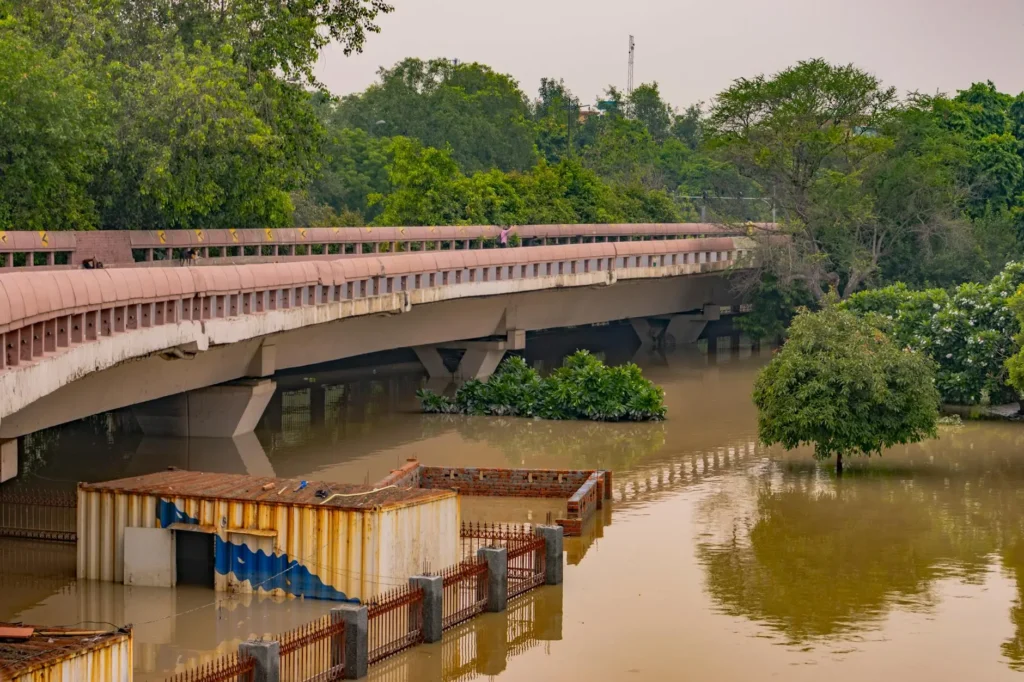
Warmer air holds more moisture, so downpours get stronger. Rivers rise quickly, then drop. During the dry season, higher heat speeds up evaporation, which deepens the drought.
- Flash floods: Hill states see landslides after cloudbursts. Plains see urban flooding where drains are blocked.
- Drought: Dry spells hit hard in rainfed areas. Tankers and borewells run deeper, and costs rise.
- Health and safety: Floodwater brings infections. Stored water during drought can also host disease if not managed well.
What helps:
- Keep drains clear. Local cleanups matter more than most people think.
- Use rain barrels or rooftop storage during wet spells.
- In flood-prone homes, move important papers and electronics to higher shelves before the peak season.
Sea Level Rise in India: Coasts Under Pressure
Rising seas push salt water into coastal aquifers. Storm surges reach farther inland. Low-lying areas face more frequent flooding, even during high tide.
- Fisheries and ports: Cyclones grow stronger, which affects boats, gear, and harbor infrastructure.
- Homes and heritage: Coastal erosion threatens villages, farmland, and historic sites.
- Water and soil: Salt intrusion harms crops and changes drinking water quality.
Adaptation actions:
- Plant mangroves where they once grew. They buffer waves and support fish nurseries.
- Build or raise flood barriers only where they are proven to work.
- Relocate critical equipment and files in coastal offices to upper floors before cyclone season.
Food, Water, and Health: Everyday Impacts You Can Feel
Climate shifts show up in daily life. You see it in the price of tomatoes after a flood, or in a longer wait at the clinic during a heat wave.
- Food: Yields swing. Storage and cold chains face strain during hotter months and storms.
- Water: Urban neighborhoods share fewer working taps. Rural wells go deeper.
- Health: Heat worsens asthma and heart stress. Floods spread waterborne disease. Warmer regions may see more mosquito-borne illness.
Simple steps:
- Store dry goods, oral rehydration salts, and basic medicines at home.
- Keep a two-week supply of safe drinking water when the forecast looks tough.
- Use covered containers and netting to reduce mosquito breeding.
Cities, Power, and Small Businesses
Cities feel climate stress in a tight loop. Heat lifts power demand. Outages stop elevators, pumps, and point-of-sale machines. A heavy downpour then floods markets and workshops.
For city workers and small businesses:
- Back up critical data to the cloud and a thumb drive kept offsite.
- Buy a surge protector for key devices.
- Create a simple continuity plan. For example, list alternate suppliers and delivery routes for flood days.
- If possible, install basic rooftop solar with a battery to power lights, fans, and a router during outages.
Regional Snapshot: How Risks Differ
Region | Main Risks | Notes |
Northwest plains | Heat waves, drought | Water-saving crops and drip help. |
Central India | Heat, intense rain | Staggered sowing reduces crop loss. |
Northeast and hills | Cloudbursts, landslides | Early warnings and slope management. |
East coast | Cyclones, storm surge | Mangroves and raised infrastructure. |
West coast | Sea level rise, heavy rain | Urban drainage upgrades pay off. |
Indo-Gangetic basin | Floods, shifting monsoon | Embankment maintenance and storage. |
Early Warnings and Smart Prep
Forecasts are improving. They give time to prepare before the worst hits. A simple checklist can protect your home and workplace.
- At home: Keep a go-bag with IDs, cash, medicines, a power bank, and a flashlight.
- For farms: Watch local advisories, pick crop insurance where offered, and store seed for a second sowing if the first fails.
- For offices and shops: Cross-train staff for backup roles during heat or flood days. Keep printed contacts and vendor lists.
- For neighbourhoods: Map flood-prone streets and safe routes. Share updates on trusted local groups.
What Individuals Can Do Today
Small actions add up when millions join in.
- Use fans first, then AC at higher set points to ease grid load.
- Fix leaks and install low-flow taps. Less wastage means more for everyone.
- Plant shade trees where they will not block drains or wires.
- Sort waste and keep plastic out of drains to cut flood risk.
- Support local produce during price spikes to steady demand.
The Path Ahead: Adapt, Reduce Risk, Protect Lives
The science is clear, and the daily signs are here. Hotter days, wilder rain, rising seas. India has the skill and spirit to adapt, but speed matters. Clear plans, better drainage, heat action strategies, and coastal protection can save lives and money.
Everyone has a role. Families can prepare. Farmers can adjust sowing plans. City workers and shop owners can back up power and data. Students can spread awareness in simple words. Together, we can face climate risks with calm, practical steps.
Thank you for reading. What one action will you take this week to make your home, farm, or workplace safer?

Saket Sambhav is the founder of WriteToWin, India’s premier environmental writing competition for school students. A legal professional and DBA candidate in sustainability, he launched WriteToWin to shift generational mindsets – empowering students to make conscious choices and protect the planet. He also mentors young eco-entrepreneurs, nurturing the next wave of climate leaders.