The Quiet Hypocrisy On Our Plates
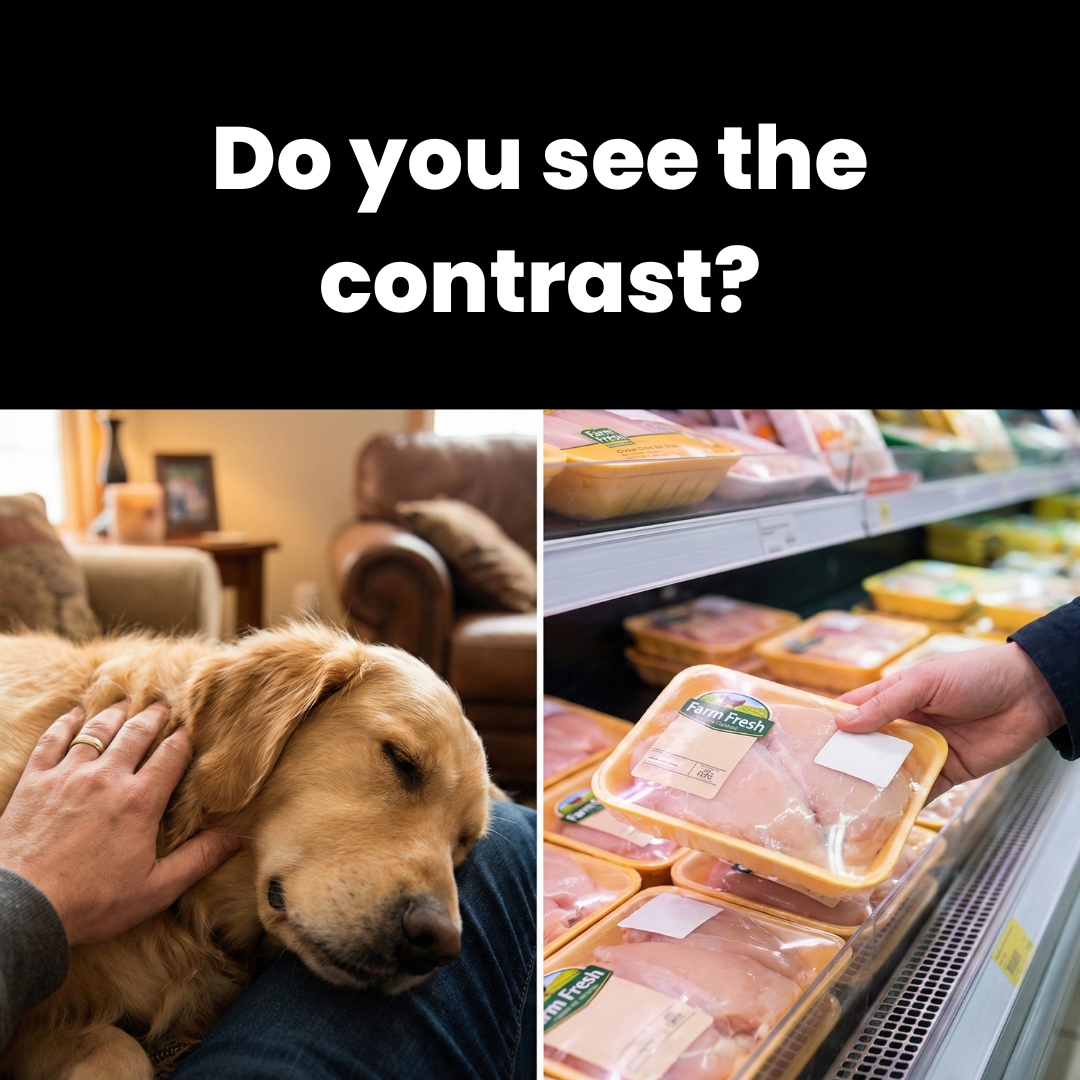
We kiss our dogs on the nose, buy birthday presents for our cats, and rush them to the vet at the first sign of pain. Then we sit down to chicken wings or a bacon sandwich and barely pause.
This tension sits quietly in millions of homes. Many of us say we love animals, but our plates tell a different story. This is not about shaming anyone. It is about noticing a strange double standard and getting curious about it.
In 2025, the global pet industry is worth well over 200 billion dollars, with spending still climbing. At the same time, around 85 billion land animals are killed for food each year, most in cramped industrial farms.
Those two worlds, pampered pets and invisible farm animals, exist side by side in our lives.
/media/28c3a01eea73d4cf02b4a158fdb75d62
Why We Love Our Pets So Much But Ignore Other Animals
Our brains are wired for close, daily bonds. The animals who share our sofas and sleep on our beds plug straight into that part of us. The animals on our plates rarely get that chance.
This split is common. It does not mean you are a bad person. It means you grew up in a culture that draws a line between “pets” and “food animals”, then asks you not to look too closely at the line itself.
The special bond with dogs, cats, and other pets
More than half of people worldwide now live with at least one pet, according to recent figures on global pet ownership in 2025. In many rich countries, dogs and cats feel closer to children than to animals in a field.
They share our routines. They nudge our hands for strokes, follow us from room to room, curl up beside us when we are sad. Daily eye contact and touch tell our brains, “this is family”.
That is why we spend so much on premium food, toys, and health products, a trend you can see clearly in reports on pet care trends in 2025.
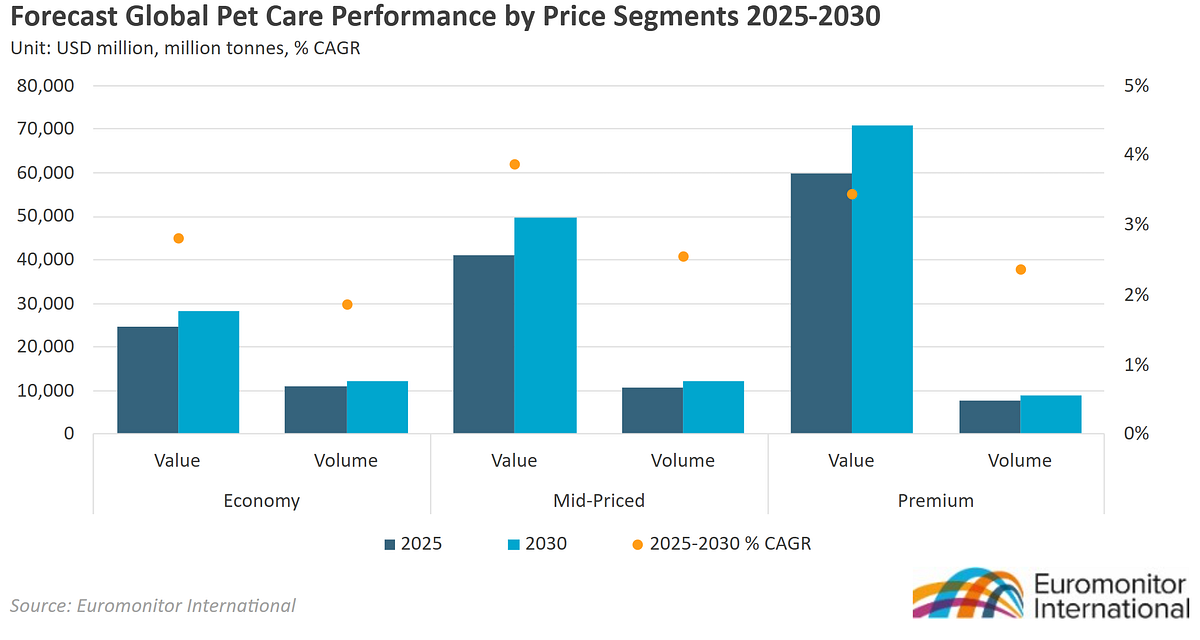
We do not just feed them. We invest in them, emotionally and financially, over years. No wonder the idea of harming them feels unthinkable.
Why farm animals feel distant and easy to forget
Now think about the last time you met the chicken behind your nuggets or the pig behind your bacon. For most people, that moment never comes.
Meat appears as nuggets, burgers, and sausages, not as someone with a face and a story.
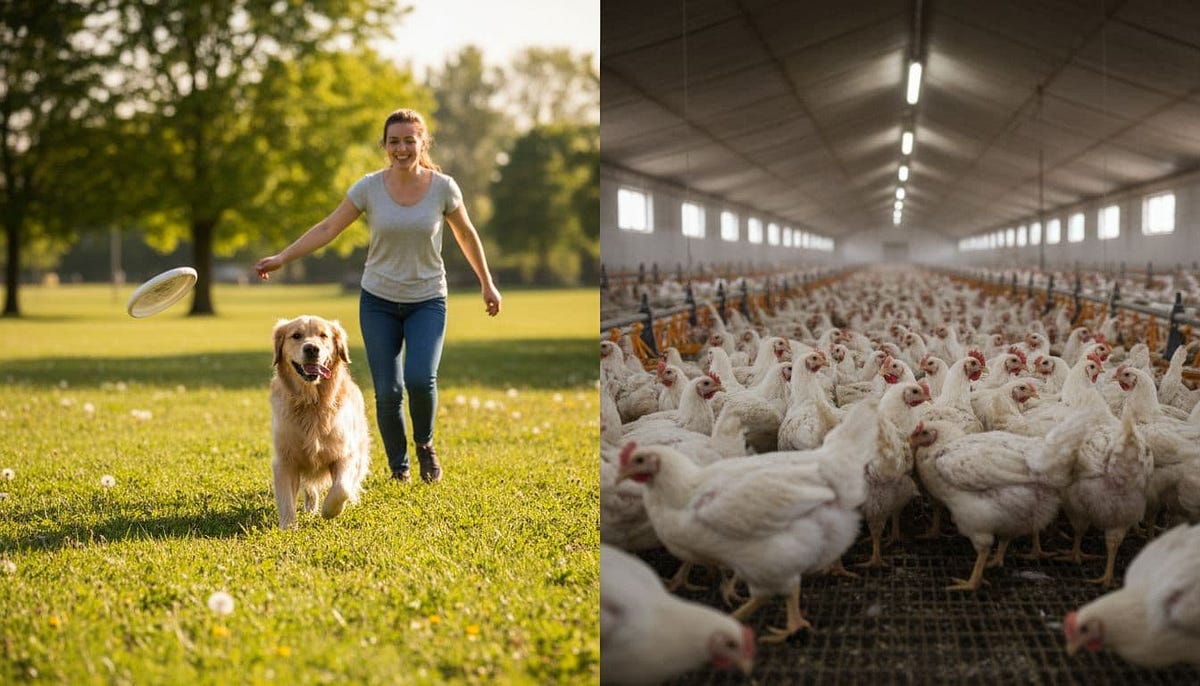
Most of the 85 billion land animals killed each year live in factory farms. In these huge sheds, animals are packed together, often with little space to move, no chance to go outside, and a very short life.
Groups like the ASPCA explain the basics of factory farming conditions in plain language.
Physical distance creates emotional distance. If our only contact with a chicken is a bargain bucket, it is easy for our hearts to stay quiet.
The stories we tell ourselves to feel like good people
Humans hate feeling like the villain in their own story. So our brains build a bridge between “I love animals” and “I eat animals” using little lines we repeat to ourselves.
“I could never eat dog, but chicken is different.”
“These animals are here for food.”
“I buy free range, so it is fine.”
Psychologists call this cognitive dissonance, but the idea is simple. When our actions clash with our values, we adjust the story so we can still see ourselves as kind.
This is normal. It is also something we can question if we care about fairness and honesty.
Is It Hypocrisy To Love One Species And Eat Another?
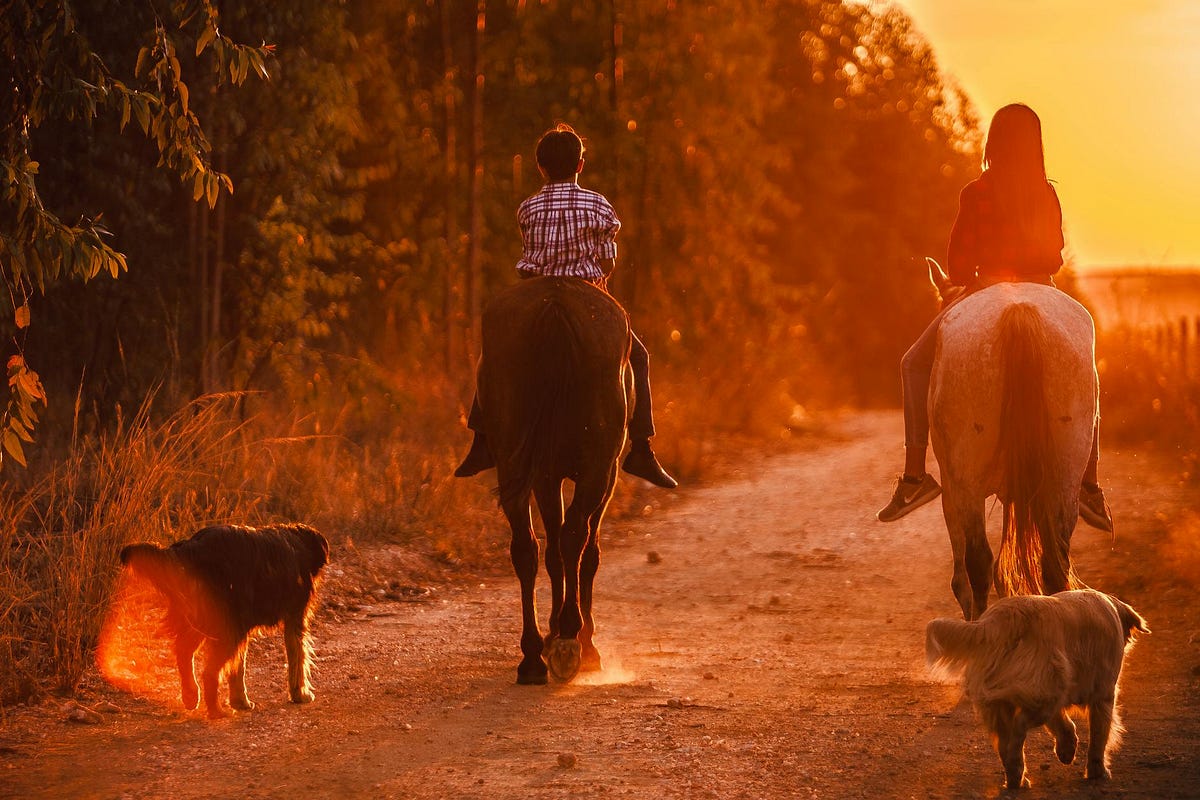
The word “hypocrisy” stings. It sounds like a verdict. But it can also be a mirror. It asks whether our choices match the story we tell about ourselves.
When it comes to animals, that mirror is hard to face, especially for people who see themselves as caring, climate aware, or socially conscious.
What we really mean when we say we “love animals”
“I love animals” often means “I love my dog” or “I love cute wildlife clips on social media”. Nothing wrong with that. Love has to start somewhere.
The trouble comes when the phrase becomes a shield. We cry when a neighbour’s cat is hit by a car, then eat eggs from hens who lived in cages, or chicken from flocks that never saw daylight.
Most of those animals came from factory farms, where their short lives were shaped by profit and speed.
If love is about caring whether someone suffers, the hard question is simple. Who gets counted, and who gets edited out of the frame.
Culture, habit, and “normal” food choices
Our sense of “normal” is one of the strongest forces in our lives. In some countries, people eat dogs. In others, that idea feels like horror.
In parts of India, cows are sacred. In other places, they are steaks.
The animal did not change. The story around them did.
Young people, especially those worried about climate breakdown, are starting to question these stories. Plant-based food, once niche, is now a serious market, with reports showing the plant-based sector is shifting rather than dying.
What our grandparents called “rabbit food” is now in fast-food chains and supermarket fridges.
Facing the numbers: pets we protect vs animals we kill
Global studies show that more than 80 billion land animals are slaughtered for meat every year, mostly chickens, ducks, and pigs, as outlined in this overview from Our World in Data.
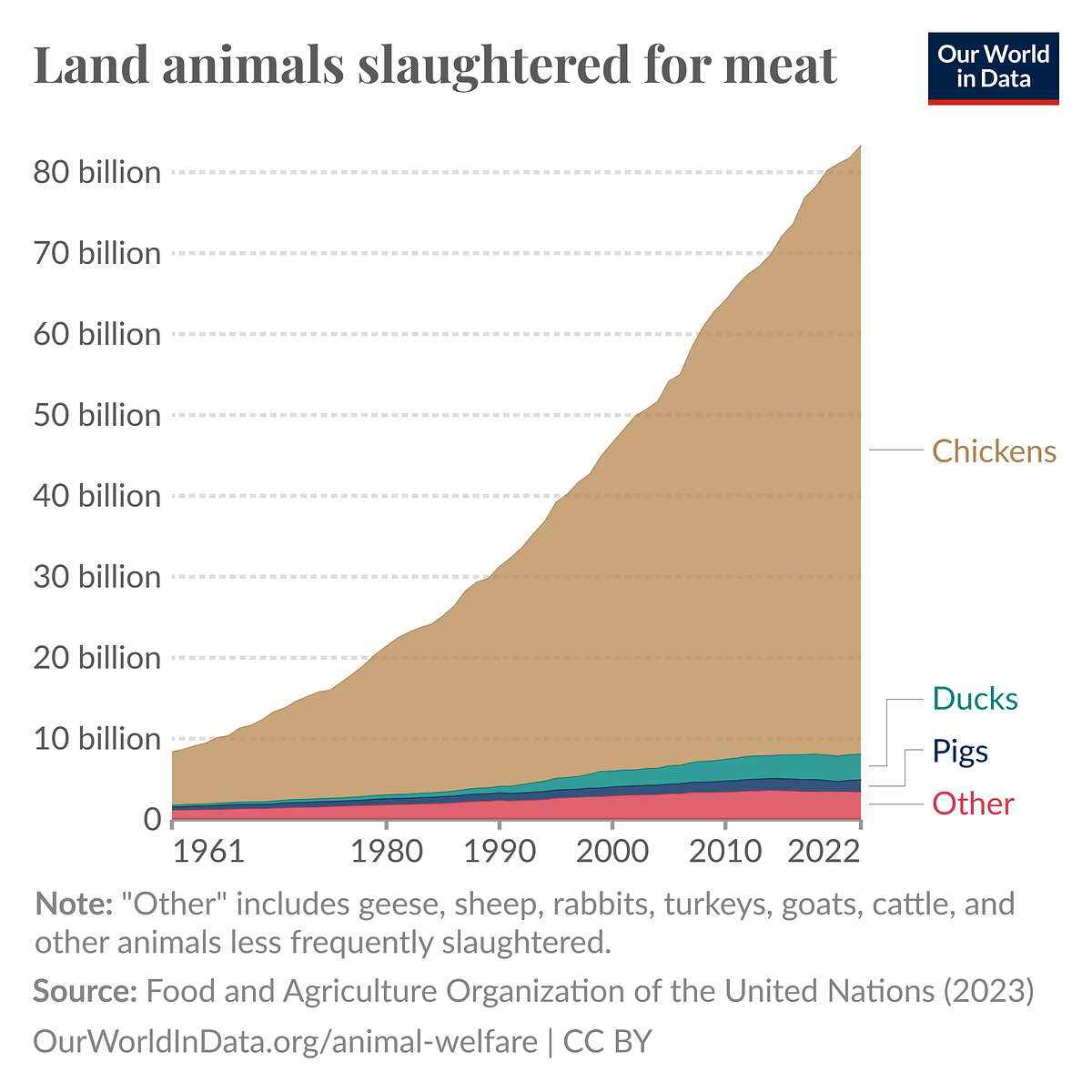
Around three out of four of those animals lived in factory farms.
Set that beside the billion-plus pets worldwide, many with bespoke diets, health insurance, and Christmas stockings. We pour care and cash into the animals in our homes, but the ones who become cheap meat are given almost no individual worth at all.
The gap is not just wide. It is measured in lives.
Can we call ourselves animal lovers if our plates tell another story?
Maybe being an “animal lover” is less about how we feel, and more about what we are willing to change. It is easy to love the animal who cuddles you. It is harder to stand up for the animal you never see.
You do not have to go vegan overnight to start closing that gap. You can keep adoring your pet and still let their presence raise sharper questions about what, and who, ends up on your plate.
How To Align Your Love For Your Pet With What You Eat
Change does not have to be dramatic to be real. Small, steady shifts can turn quiet guilt into practical care.
Start with awareness and honest questions
Begin with simple noticing. How do you feel when your dog looks at you with trust, compared with how you feel when you see meat in your fridge.
Ask yourself: Would I be okay watching how this food was made?
Why does eating some animals feel normal while eating my pet feels unbearable.
Talking about these questions with friends, family, or online groups can be powerful. Awareness is the first act of courage.
Try small food shifts that match your values
Big systems change starts with tiny, repeatable choices. You could:
- Pick one or two meat-free days each week.
- Swap dairy milk for oat or soy in your tea.
- Try plant-based burgers or nuggets next time you crave fast food.
- If you eat meat, choose higher-welfare labels when you can afford them (well, that’s flawed too).
Plant-based options are no longer fringe. The UK market for plant-based foods is growing fast, as seen in reports on the UK plant-based food market.
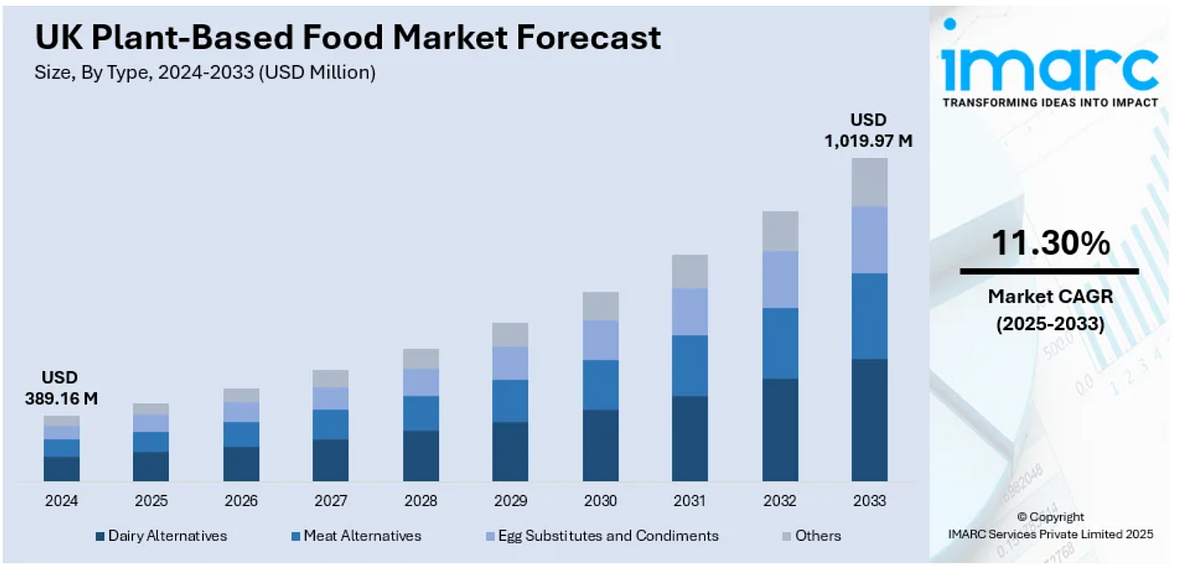
These products are easier to find, often tasty, and usually lighter on the climate.
Let your love for your pet widen, not stop at your front door
Your pet can be a bridge. The patience you show when your dog has an accident on the carpet, or your cat meows at 4 a.m., is the same patience that can help you face hard truths about farm animals.
You might read up on how industrial animal farms affect welfare, through resources on animal factories and animal welfare.
You might sign a petition for better laws, support a local sanctuary, or simply choose kinder products when possible.
None of this makes you perfect. It makes you honest.
Conclusion: What It Could Mean To Truly Say “I Love Animals”
We live in a strange age, where dogs wear jumpers and sleep on memory foam, while billions of chickens never see the sky.
Feeling unsettled by that contrast is not a failure. It is a sign of empathy trying to get your attention.
You can honour that feeling with small, steady moves.
- Try one new plant-based meal a week.
- Read one article about factory farming.
- Ask one honest question at the dinner table.
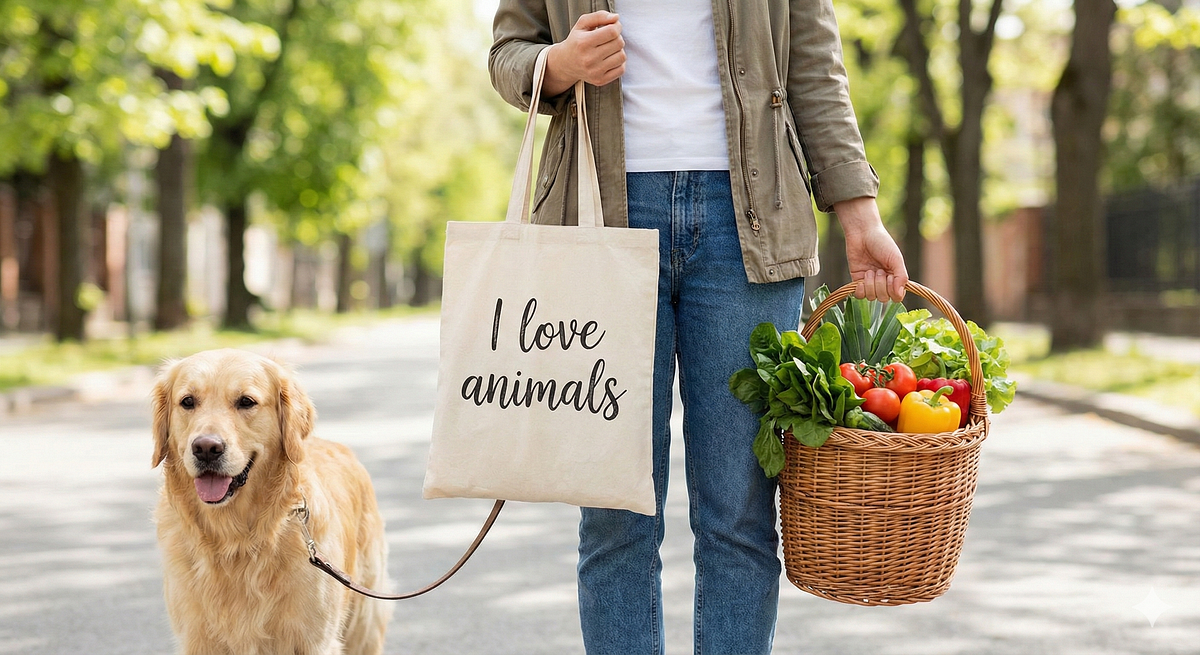
If enough of us do that, “I love animals” could become more than a slogan on a tote bag. It could be a promise that our plates, our wallets, and our politics are slowly catching up with our hearts.

Saket Sambhav is the founder of WriteToWin, India’s premier environmental writing competition for school students. A legal professional and DBA candidate in sustainability, he launched WriteToWin to shift generational mindsets – empowering students to make conscious choices and protect the planet. He also mentors young eco-entrepreneurs, nurturing the next wave of climate leaders.