Monsoon season shapes daily life across India and much of Asia. When the rain starts, how hard it falls, and how long it lasts can decide crop yields, water supply, prices, and safety. In 2025, monsoon variability is not just a weather story; it is a planning challenge for farms, cities, and families.
Monsoon variability means year-to-year changes in timing, strength, and how evenly rain falls. A late start can delay sowing. A week of extreme rain can flood roads and fields. Small shifts add up to big impacts.
This guide explains what drives those shifts, how they affect food, water, and the economy, what the 2025 season has looked like so far, and simple steps to prepare with better forecasts and smart choices. You will get clear explanations, practical examples, and trusted sources to explore further.
What is monsoon variability? Simple definition, timing, intensity, and spread
Monsoon variability is the set of changes in when the rains start and end, how heavy they are, and how evenly they arrive across weeks and regions. Think of it like a three-part scorecard: timing, intensity, and spread.
When the season starts a week early or late, farmers adjust sowing. When rain falls in a few heavy bursts, city drains fail. When some regions get soaked and others miss out, rivers swing from flood to trickle.
Even small shifts can trigger big outcomes. Intense days raise flood risk. Long dry gaps stress crops. The mix of both at once is hard to manage.
How the monsoon works in plain language
Land heats faster than the ocean in summer. Warm land creates a low-pressure area. Moist air from the ocean flows in, rises, cools, and forms rain. Winds change direction with the season, and most of the annual rain arrives in a few months.
In India, this pattern feeds rice fields, cools cities, and recharges groundwater. In Southeast Asia, it fills reservoirs and supports fishing and farming.
Types of variability: onset, breaks, totals, and extreme rain
- Onset and withdrawal: The start and end dates of the season.
- Mid-season breaks: Dry spells that pause rain for days or weeks.
- Seasonal totals: How much rain falls from start to finish.
- Extreme downpours: Very heavy daily or hourly rain.
Longer dry spells mixed with short heavy bursts are becoming more common. That mix raises both flood and drought risk in the same season.
Why it matters for water, food, and safety
Water managers need steady rain to fill reservoirs without flooding towns. Farmers time sowing to early stable showers. City planners size drains for heavy bursts.
If the onset is late, paddy sowing slips and yields drop. If a cloudburst hits after a dry stretch, topsoil washes away, roads flood, and landslides can follow in hill states. The result shows up in food prices within weeks.
For a plain-language overview of rising extremes, the Royal Meteorological Society’s explainer on the Indian Monsoon in a changing climate lays out why intense rain and dry breaks both matter.
What causes monsoon variability? The key drivers you should know
Monsoon strength and timing do not come from a single lever. Several drivers interact. Some come from the land and ocean, some from global wind belts, and some from year-to-year ocean patterns.
Land and ocean temperature contrast
Picture hot land next to a cooler ocean. Stronger contrast pulls in more moist air. Weaker contrast does the opposite, so onset can slip and rains can feel weaker. Heatwaves on land can also load the air with heat without always bringing organized rain, which makes the first stable spell harder to judge.
Shifts in the ITCZ and seasonal winds
The Intertropical Convergence Zone, or ITCZ, is a belt of storms near the equator. It moves with the seasons. When it shifts north, the rain belt follows. If it lingers south, rains arrive late in northern regions and rainy spells shorten. The exact position week to week shapes the breaks and bursts we feel on the ground.
Ocean patterns like El Niño and La Niña
Warmer or cooler waters in the Pacific can shift global winds. El Niño can weaken or disrupt monsoon rains in parts of South Asia. La Niña can tilt conditions toward stronger rains. Local outcomes vary by region, but these patterns often set the background for seasonal strength.
Climate change and rising extremes
A warmer world holds more water vapor. That feeds heavier downpours when storms form. Hotter dry breaks in between stress soil and plants. Timing can shift, swings can grow larger, and the gap between winners and losers in the same season can widen. Recent assessments point to a future with more intense rain events and longer dry pauses, which matches the lived experience in many districts.
For context on the risk picture, see this explainer on South Asia’s monsoon and dangerous impacts linked to climate change.
How monsoon variability impacts India and Asia today
Impacts show up in fields, streets, rivers, and markets. What feels like a weather blip in one week can shape incomes and prices for months.
Farming and food security: rice, wheat, and sowing dates
Late onset can push sowing past ideal windows. Seeds sit in dry soil and germination drops. Heavy bursts can wash seeds and fertiliser out of fields. Long dry spells in July or August cut tillers in paddy and reduce grain fill in maize.
- Timely irrigation can prevent a missed sowing window.
- Balanced nitrogen after heavy rain can restore growth.
- Short-duration varieties help if the onset is late and withdrawal is early.
Researchers have documented how early or late starts and frequent dry spells dent yields across South Asia, which raises food security risks for poorer households. A recent paper on cascading impacts of a changing South Asia monsoon ties timing shifts to lower harvests and higher risk.
Cities and infrastructure: floods, drainage, and power
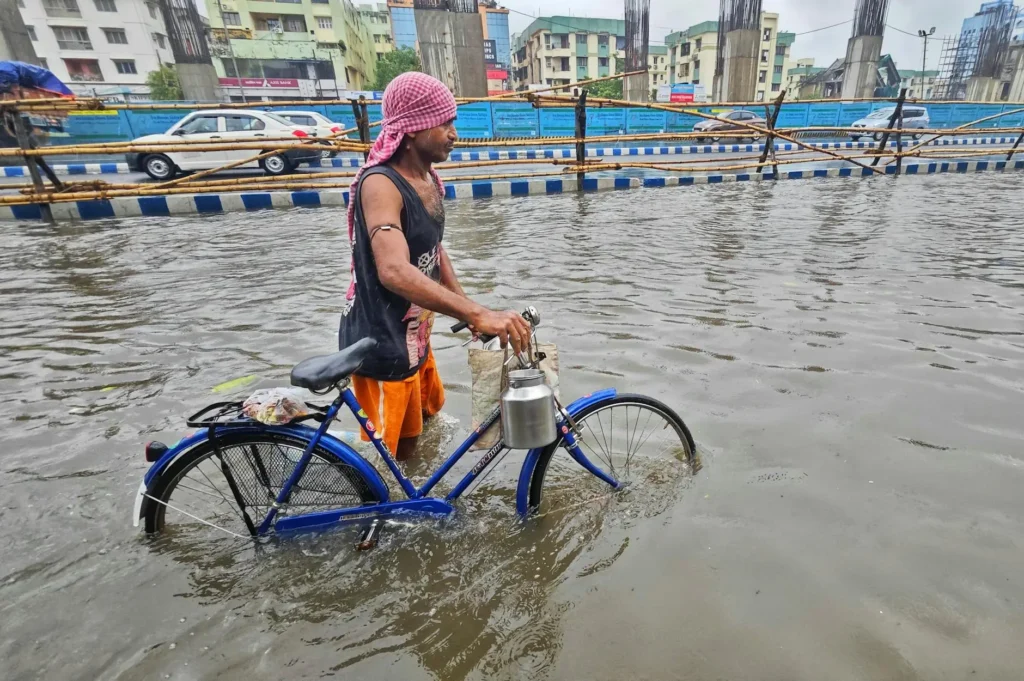
Cloudbursts can overwhelm drains in minutes. Traffic stalls as underpasses fill. Roads and bridges degrade fast when heavy trucks drive over waterlogged surfaces. Power stations and substations near low-lying areas face outages.
Hill cities face landslides after short, intense spells. Early warnings and blocked-drain cleanups before peak weeks cut damage. Mapping safe routes and staging pumps and barricades before a forecasted spell saves time when it matters.
Rivers and ecosystems: soil, wetlands, and wildlife
Erratic flows can scour riverbanks and strip topsoil. Wetlands depend on steady recharge, not sudden surges. Fish breeding often follows gradual rises and falls, so whiplash flows can break cycles. Groundwater also recharges better with frequent moderate rain than with one huge burst that runs off.
Prices and jobs: how the economy feels the rain
Poor rains cut farm income and reduce demand for labor. That can shrink spending in local markets. Heavy floods also raise costs by damaging crops, warehouses, roads, and cold chains. Food inflation often climbs after missed sowing windows or flood losses.
Broader summaries of recent seasons highlight these economic and social impacts. See this overview of the 2025 South Asian monsoon’s wetter and more unpredictable pattern for context across the region.
Predict, prepare, and adapt in 2025: better forecasts and smarter choices
Recent years bring a common theme: heavier downpours, longer dry gaps, and uneven spread. In 2025, reports show an early onset, widespread rain across much of India, and a late withdrawal, with totals above the long-term average for many regions. Some areas still ran dry, especially parts of the east and northeast, while northwest pockets saw much higher totals. Floods, landslides, and heat during the season raised risks across South Asia.
Even with strong seasonal numbers, local outcomes vary. Treat seasonal headlines as a guide, then plan with weekly and district updates.
Better forecasting: satellites, models, and local rain gauges
Satellites track clouds and moisture. Buoys and ships monitor ocean temperatures. Seasonal climate models turn those inputs into outlooks for onset, intensity, and spread. Local rain gauges and simple runoff markers tell the story for your farm or neighbourhood.
- Check official weekly and monthly updates during the season.
- Pair seasonal outlooks with short-range forecasts for action.
- Keep a simple rain log to spot local patterns.
For a science-first view on what drives year-to-year swings, see research on energetic processes behind South Asian monsoon variability.
Smart farm choices: water storage, sowing windows, and hardy crops
Farm decisions work best when they match the first stable rain spell, not the first shower.
- Water storage: Small farm ponds, lined canals, and check dams help bridge dry weeks.
- Irrigation upgrades: Drip or sprinklers reduce waste and stabilise yield in dry gaps.
- Sowing windows: Wait for a 3 to 5 day wet spell for reliable germination.
- Crop choices: Use drought- or flood-tolerant varieties based on risk maps.
- Soil health: Mulch, cover crops, and contour bunds slow runoff and hold moisture.
Example: If your district had an early onset in 2025, sow soon after a confirmed wet spell and keep a top-up irrigation plan ready for a mid-season break.
City and town readiness: drainage, flood routes, and alerts
Small steps cut big losses.
- Clean drains and inlets before peak weeks.
- Protect floodplains and do not store materials in low-lying lots.
- Rain gardens and permeable pavements slow runoff and reduce waterlogging.
- Map safe routes to hospitals, shelters, and high ground.
- Use phone alerts and local sirens for cloudburst and landslide warnings.
Cities in hill states should stage excavators and debris nets near known slide zones during high-risk windows.
Household and community steps: save water and plan for extremes
Households and local groups can reduce stress with simple habits.
- Save water in routine use, even in wet years, to buffer dry spells.
- Rooftop storage where safe, with clean gutters and covered tanks.
- Emergency kits with flashlights, a power bank, key medicines, and dry food.
- Insurance for crops or health where available.
- Follow advisories during heavy rain or heat, and check on neighbors.
Local stories matter. Community groups that practice flood drills and maintain shared pumps recover faster after a big spell.
Quick reference: the moving parts of monsoon variability
Variability type | What it means | Why it matters for you |
Onset | Start date of steady rains | Sowing windows, reservoir fill timing |
Breaks | Dry gaps during the season | Irrigation needs, wildfire and dust risk |
Seasonal total | Total rain across the season | Crop yield ceilings, water budgeting |
Extreme rain | Very heavy daily or hourly falls | Flooding, landslides, urban drainage |
Spread | How evenly rain is distributed | Runoff vs recharge, erosion, reliability |
For a broader snapshot of 2025’s impacts and risks across the region, this assessment on South Asia’s monsoon and climate-driven extremes adds useful detail.
What 2025 tells us so far
Early onset and above-normal totals in many areas are good for water storage and kharif acreage. Northwest India saw strong gains, while parts of the east and northeast lagged. Withdrawal ran late. At the same time, heat during the season raised landslide and flood risk in several states, and South Asia saw deadly events linked to cloudbursts and flash floods.
The lesson is simple. A strong season on paper can still bring local shortages and dangerous peaks. Plan for both heavy bursts and dry gaps.
For a readable summary of the season’s character and risks, see the regional overview on the 2025 South Asian monsoon’s wetter, hotter pattern.
Conclusion
Monsoon variability changes the timing, strength, and spread of seasonal rain. Those shifts shape farms, cities, rivers, and prices. In 2025, many places saw strong totals and early start dates, yet also faced dry gaps and dangerous bursts.
The path ahead is clear. Use better forecasts, watch local updates, and make practical moves that work in both wet and dry weeks. Share what works in your area, follow district advisories, and help neighbours prepare.
Ready to make a difference?
From Lifeline to Liability: The Growing Threat of an Unpredictable Monsoon.

Saket Sambhav is the founder of WriteToWin, India’s premier environmental writing competition for school students. A legal professional and DBA candidate in sustainability, he launched WriteToWin to shift generational mindsets – empowering students to make conscious choices and protect the planet. He also mentors young eco-entrepreneurs, nurturing the next wave of climate leaders.