Ten ways to save water and fight drought include: 1. Taking shorter, 5-minute showers. 2. Fixing all household leaks immediately. 3. Installing water-saving aerators on taps. 4. Only running full loads of laundry and dishes. 5. Reusing ‘greywater’ from washing vegetables to water plants. 6. Upgrading to a dual-flush toilet. 7. Choosing water-wise, native plants for gardens. 8. Using a bucket instead of a hose to wash cars and clean exteriors. 9. Harvesting rainwater with barrels or tanks. 10. Covering pools and water tanks to reduce evaporation.
The memory of heavy rains can make us complacent, but the reality is that water scarcity and drought are becoming more frequent and severe globally. Water is a finite, precious resource, and conserving it is not just a seasonal task but a crucial year-round responsibility.
Fighting drought starts at home.
Here are ten practical, easy-to-implement tips to significantly reduce your household water consumption and build resilience against water scarcity.
Inside Your Home: The Daily Drops That Add Up
1. Master the 5-Minute Shower
A simple but incredibly effective habit. A standard showerhead can use 10-15 litres of water per minute. By cutting a 10-minute shower down to five, you can save over 2,000 litres of water per person each month.
2. Become a Leak Detective
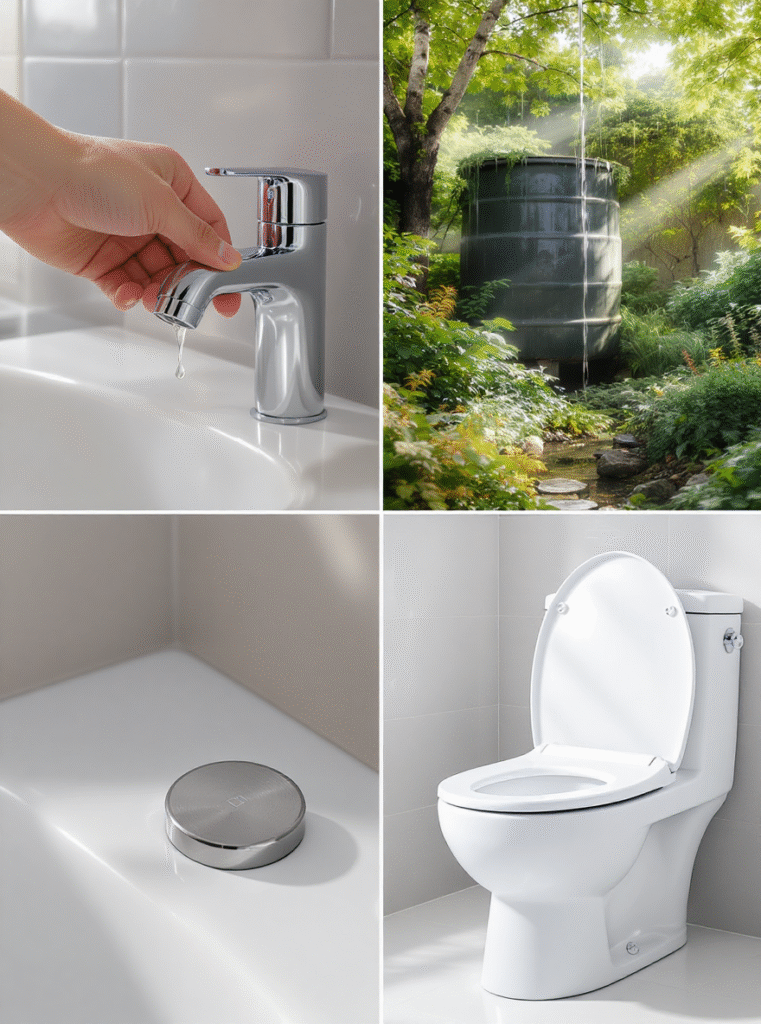
That constant drip… drip… drip from a tap is more than just an annoyance; it’s a massive source of waste. A single dripping tap can waste thousands of litres of water per year. Regularly check all taps, pipes, and toilet cisterns for leaks and fix them immediately.
3. Run Only Full Loads
Make it a household rule: only run your washing machine and dishwasher when they are completely full. These appliances use roughly the same amount of water and energy whether they’re half-empty or packed. Maximising each cycle is an easy way to cut down on weekly water use.
4. Install Low-Flow Aerators
This is a cheap, one-time fix with a continuous payoff. Small, screw-on aerators for your kitchen and bathroom taps mix air into the water stream. This reduces the flow by up to 50% without sacrificing pressure, saving water automatically every time you wash your hands or rinse dishes.
5. Reuse Your "Greywater"
Don’t let usable water go down the drain. Collect the water you use to wash vegetables and rice (which is also rich in nutrients) in a basin. This “greywater” is perfect for watering your houseplants or balcony garden, giving every drop a second life.
6. Upgrade to a Dual-Flush Toilet
Toilets are one of the biggest water consumers in any home. Older models can use a staggering 10-12 litres per flush. When it’s time to upgrade, choose a modern dual-flush toilet, which uses as little as 3-6 litres, drastically reducing your home’s water footprint.
Outside Your Home: Smart Watering for a Greener Landscape
7. Harvest the Rain
In places with a defined rainy season, harvesting rainwater is a commonsense solution. Installing a simple rain barrel or a larger tank to collect runoff from your rooftop provides you with a free, chlorine-free source of water for all your outdoor needs, from watering the garden to cleaning the patio.
8. Use a Bucket, Not a Hose
A constantly running hose is one of the fastest ways to waste water, using hundreds of litres in just a few minutes. When washing your car or cleaning your home’s exterior, use a bucket of water and a sponge or cloth instead.
9. Water Your Garden Wisely
Water your plants early in the morning or late in the evening. Watering during the coolest parts of the day minimises the amount of water lost to evaporation. It’s also better to water less frequently but more deeply, which encourages plant roots to grow deeper, making them stronger and more resilient to drought.
10. Choose Native and Drought-Tolerant Plants
When planting a garden or even just a few balcony pots, choose plant species that are native to your region. These plants are naturally adapted to the local climate and rainfall patterns, meaning they will require far less supplemental watering to thrive, especially during dry spells.
Conclusion: Every Drop Counts
Water conservation is the sum of many small, mindful habits. Every leak fixed, every shorter shower taken, and every drop of rainwater harvested contributes to a larger reservoir of community resilience. By adopting these simple habits, you are not just saving water; you are actively investing in a more water-secure future for your family and your community.

Saket Sambhav is the founder of WriteToWin, India’s premier environmental writing competition for school students. A legal professional and DBA candidate in sustainability, he launched WriteToWin to shift generational mindsets – empowering students to make conscious choices and protect the planet. He also mentors young eco-entrepreneurs, nurturing the next wave of climate leaders.